Archive August 22, 2025

Understanding Sleep Test Costs: What You Need to Know Before Booking

Sleep Test Costs

Sleep is an essential component of our overall health and well-being, yet many people struggle with sleep disorders that can significantly impact their quality of life. If you suspect you have a sleep disorder, a sleep test may be necessary to diagnose the issue accurately. However, before booking a sleep test, it is crucial to understand the associated costs and factors that can influence these expenses. This guide aims to provide a comprehensive overview of sleep test costs, helping you make informed decisions about your health.

Types of Sleep Tests

Before delving into costs, it is important to understand the different types of sleep tests available. The two primary categories are in-lab sleep studies and home sleep tests.

Understanding sleep test costs is crucial for anyone considering a sleep study. By familiarising yourself with the different types of tests, factors influencing costs, and the importance of preparation, you can make informed decisions about your health. Always consult with healthcare professionals to ensure you receive the best possible care tailored to your individual needs.
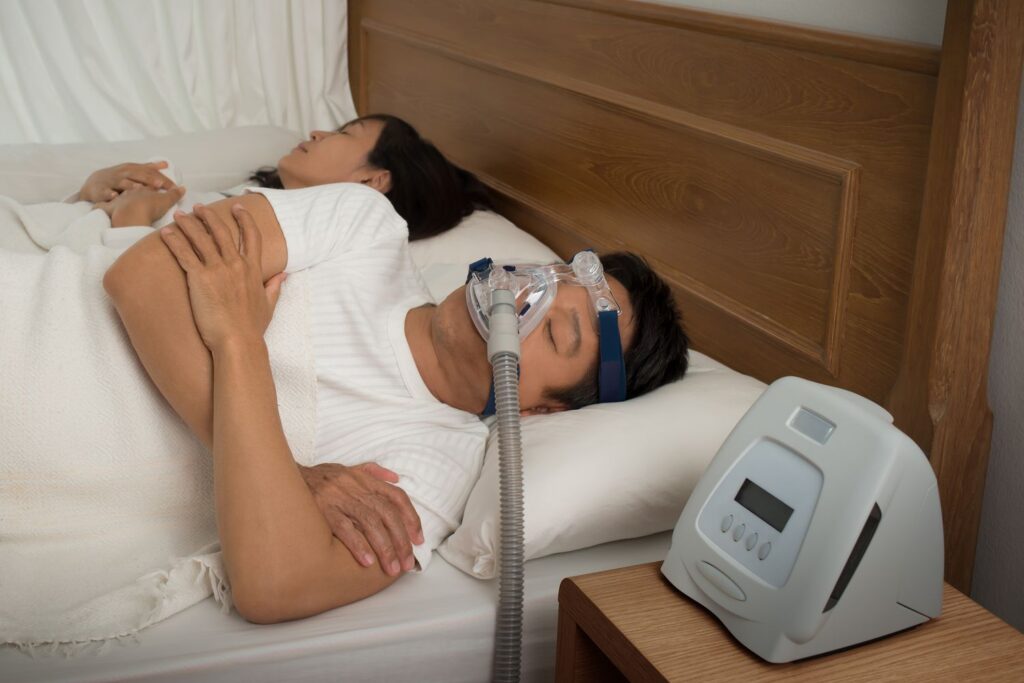
Sleep Test Costs

In-Lab Sleep Studies

In-lab sleep studies, also known as polysomnography, are conducted in a sleep clinic or hospital. During these tests, various physiological parameters are monitored while you sleep, including brain activity, eye movements, heart rate, and oxygen levels. This comprehensive approach allows for a detailed analysis of sleep patterns and potential disorders.

The costs for in-lab sleep studies can vary significantly based on the facility, location, and specific tests performed. On average, you can expect to pay between AUD 1,000 and AUD 3,000 for a single night of testing. However, this price may not include additional consultations or follow-up appointments.

Home Sleep Tests

Home sleep tests are a more convenient and often less expensive alternative to in-lab studies. These tests typically involve using portable monitoring equipment that you wear while sleeping in your own bed. Home tests primarily focus on diagnosing obstructive sleep apnoea (OSA) and may not provide as comprehensive data as in-lab studies.

The cost of home sleep tests generally ranges from AUD 300 to AUD 800. Many insurance plans cover home sleep tests, making them a more accessible option for many patients.

Learn more on: Sleep Apnea Test at Home in Australia How It Works and Where to Get One

Factors Influencing Sleep Test Costs

Several factors can influence the overall cost of sleep tests, and understanding these can help you budget effectively.

Location

The geographical location of the sleep clinic or hospital can significantly impact costs. Urban centres with a higher cost of living may charge more for sleep studies compared to rural areas. Additionally, the availability of specialised sleep centres can also affect pricing. Find more about availability on https://www.cpsp.edu.pk/hpe.php

It is advisable to research multiple facilities in your area and compare their pricing structures. Some clinics may offer package deals or discounts for self-pay patients, which can further reduce costs.

Insurance Coverage

Insurance coverage plays a crucial role in determining out-of-pocket expenses for sleep tests. Many health insurance plans cover sleep studies, but the extent of coverage can vary widely. It is essential to check with your insurance provider to understand your benefits and any potential co-pays or deductibles.

Some insurance companies may require prior authorisation before approving a sleep study, so it is advisable to initiate this process early to avoid unexpected costs. Additionally, ensure that the sleep clinic you choose is within your insurance network to maximise your benefits.

Additional Costs

In addition to the base cost of the sleep test, there may be other associated expenses to consider. These can include consultation fees for the sleep specialist, follow-up appointments, and any necessary diagnostic imaging or blood tests.

It is wise to inquire about all potential costs upfront, including any fees for interpreting the results of the sleep study. Understanding the full scope of expenses can help you avoid surprises later on.

Preparing for a Sleep Test

Preparation for a sleep test can also impact costs and overall experience. Proper preparation can ensure that the test yields accurate results, potentially reducing the need for repeat testing.

Consultation with a Sleep Specialist

Before undergoing a sleep test, it is often necessary to have a consultation with a sleep specialist. This appointment typically involves discussing your sleep history, symptoms, and any relevant medical conditions. The specialist may recommend specific tests based on your individual needs.

The cost of this consultation can vary, but it is generally between AUD 200 and AUD 500. Some insurance plans may cover this expense, so it is advisable to verify your coverage beforehand.

Pre-Test Instructions

Following pre-test instructions is vital for ensuring accurate results. Patients may be advised to avoid caffeine, alcohol, and certain medications in the days leading up to the test. Additionally, it is important to maintain a regular sleep schedule to ensure that the test reflects typical sleep patterns. To read more about alcohol click here.

Failure to adhere to these guidelines may result in inconclusive test results, necessitating a repeat study and incurring additional costs.

Understanding the Results

After completing a sleep test, you will receive a report detailing the findings and any diagnoses made by the sleep specialist. Understanding these results is crucial for determining the next steps in your treatment plan.
Section Image

Interpreting the Results

Sleep test results can be complex, often containing technical jargon that may be difficult to understand. Common diagnoses include obstructive sleep apnoea, central sleep apnoea, and periodic limb movement disorder. Each condition has its own implications for treatment and management.

It is advisable to schedule a follow-up appointment with your sleep specialist to discuss the results in detail. This consultation may incur additional costs, but it is essential for developing an effective treatment plan.

Potential Treatment Options

Based on the results of your sleep test, your sleep specialist may recommend various treatment options. These can range from lifestyle changes and behavioural therapies to the use of continuous positive airway pressure (CPAP) machines or other medical interventions.

The costs associated with these treatments can vary widely, so it is important to discuss potential expenses with your healthcare provider. Some treatments may be covered by insurance, while others may require out-of-pocket payments.

Conclusion

Ultimately, investing in a sleep test can lead to better sleep quality, improved health outcomes, and an enhanced quality of life. Don’t hesitate to seek help if you suspect you have a sleep disorder; your well-being depends on it.
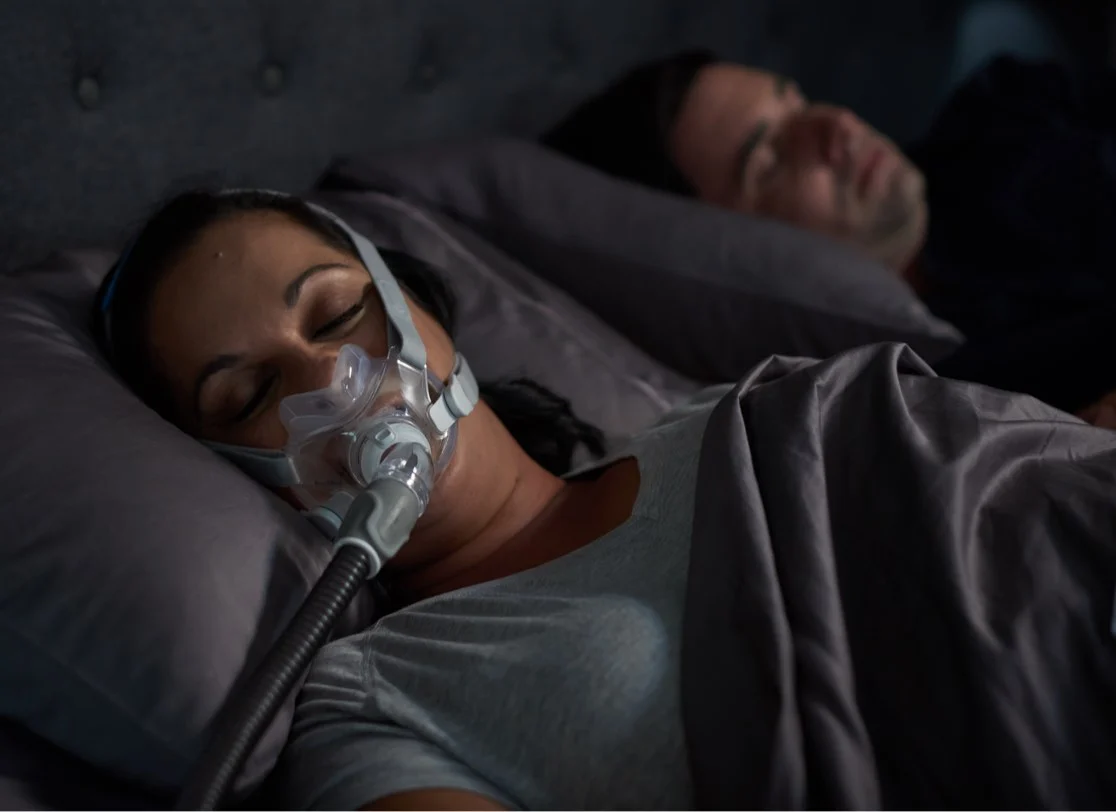
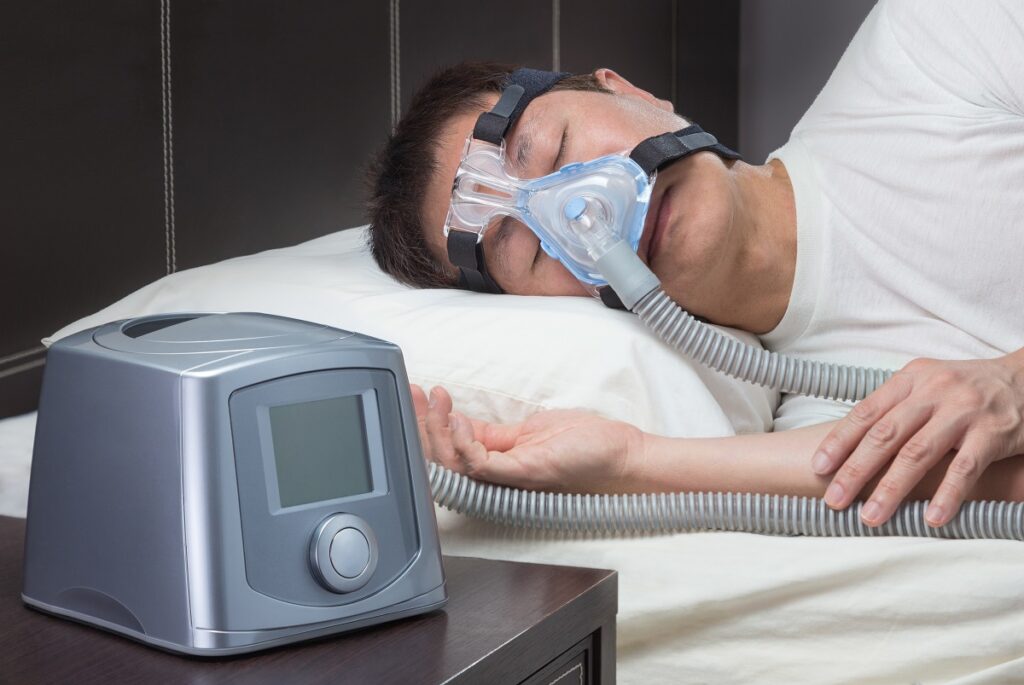
Sleep Apnea Test at Home in Australia: How It Works and Where to Get One

Sleep Apnea Test Home Australia

Sleep apnea is a serious sleep disorder that affects millions of Australians, characterised by repeated interruptions in breathing during sleep. For many, the thought of undergoing a sleep study in a clinical setting can be daunting. Fortunately, advancements in technology have made it possible to conduct sleep apnea tests at home, providing a more comfortable and convenient alternative. This guide explores how home sleep apnea tests work, their benefits, and where to obtain one in Australia.

Understanding Sleep Apnea

Before delving into the specifics of home testing, it is essential to understand what sleep apnea is and its potential health implications. Sleep apnea is primarily categorised into two types: obstructive sleep apnea (OSA) and central sleep apnea (CSA). OSA is the more common form, caused by a blockage of the airway, while CSA occurs when the brain fails to send appropriate signals to the muscles that control breathing.

Home sleep apnea test Australia is a prevalent condition that can have significant health implications if left untreated. Home sleep apnea tests offer a convenient, comfortable, and cost-effective way to diagnose this disorder. By understanding how these tests work and where to obtain them in Australia, individuals can take proactive steps toward improving their sleep health.

Common symptoms of sleep apnea include loud snoring, gasping for air during sleep, excessive daytime sleepiness, and difficulty concentrating. If left untreated, sleep apnea can lead to serious health issues such as cardiovascular problems, diabetes, and impaired cognitive function. Recognising the signs and seeking appropriate testing is crucial for effective management.

Sleep Apnea Test Home Australia

How Home Sleep Apnea Tests Work

Home sleep apnea tests (HSAT) are designed to diagnose sleep apnea in the comfort of your own home. These tests typically involve the use of portable monitoring devices that record various physiological parameters while you sleep. The process is straightforward and can be completed in just a few simple steps.

Read more at: Understanding Sleep Test Costs What You Need to Know Before Booking

1. Preparation for the Test

Before undergoing a home sleep apnea test, you will need to consult with a healthcare professional, typically a sleep specialist. During this consultation, your symptoms will be evaluated, and the need for a home test will be determined. If deemed appropriate, you will receive instructions on how to use the monitoring device and may be provided with a kit that includes all necessary equipment.

It is important to follow the preparation guidelines closely, which may include avoiding alcohol and sedatives before the test, as these substances can affect the results. Additionally, maintaining a regular sleep schedule leading up to the test will help ensure accurate readings.

2. The Testing Process

Once you have received the monitoring device, the next step is to set it up for the night. The device typically includes sensors that measure your heart rate, oxygen levels, airflow, and respiratory effort. These sensors are usually placed on your finger, chest, and around your nose or mouth.

After setting up the device, you will go to sleep as usual. The device will automatically record your sleep patterns throughout the night. Most home sleep tests are designed to be user-friendly, requiring minimal technical knowledge. However, if you encounter any issues, customer support is often available to assist you.

3. Post-Test Analysis

Upon completion of the test, you will return the device to the healthcare provider or the testing company. The data collected will then be analysed by a qualified sleep specialist, who will interpret the results and provide a diagnosis. This analysis typically takes a few days to a week, after which you will receive a report detailing the findings and recommendations for treatment if necessary.

In some cases, further testing may be required to confirm the diagnosis or to explore other potential sleep disorders. However, many individuals will receive a clear diagnosis from the home test alone. Find more about potential on https://www.superiorcolleges.edu.pk/medical-course-after-fsc-without-mdcat/

Benefits of Home Sleep Apnea Testing

Home sleep apnea tests offer several advantages over traditional in-lab sleep studies. Understanding these benefits can help individuals make informed decisions regarding their sleep health.

1. Comfort and Convenience

One of the most significant benefits of home testing is the comfort it provides. Many people find it challenging to sleep in an unfamiliar environment, which can affect the accuracy of the results. By conducting the test at home, individuals can sleep in their own bed, leading to more natural sleep patterns and potentially more reliable data.

Additionally, home tests eliminate the need for overnight stays in a sleep clinic, making the process more convenient and less intimidating. This ease of access encourages more individuals to seek testing, ultimately leading to better diagnosis and treatment rates.

2. Cost-Effectiveness

Home sleep apnea tests are generally more cost-effective than in-lab studies. The expenses associated with overnight stays, specialised staff, and extensive monitoring equipment can add up quickly in a clinical setting. In contrast, home tests are typically less expensive, making them a more accessible option for many Australians.

Health insurance plans may also cover home sleep tests, but it is advisable to check with your provider to understand your specific coverage options. This financial aspect can significantly influence the decision to pursue testing.

3. Quick Results

Another advantage of home sleep apnea tests is the speed at which results can be obtained. Since the testing process is straightforward and does not require extensive setup, individuals can receive their results relatively quickly. This prompt feedback allows for timely intervention and treatment, which is crucial for managing sleep apnea effectively.

In contrast, traditional sleep studies may involve longer wait times for appointments and results, potentially delaying necessary treatment. The efficiency of home tests can significantly enhance the overall patient experience.

Where to Get a Home Sleep Apnea Test in Australia

In Australia, several options are available for obtaining a home sleep apnea test. It is essential to choose a reputable provider to ensure accurate testing and reliable results.

1. Sleep Clinics and Hospitals

Many sleep clinics and hospitals across Australia offer home sleep apnea testing as part of their services. These facilities typically employ qualified sleep specialists who can guide you through the process, from initial consultation to result interpretation. Some well-known clinics include the Adelaide Institute for Sleep Health, the Sydney Sleep Centre, and the Melbourne Sleep Disorders Centre.

When choosing a clinic, consider factors such as location, availability of specialists, and patient reviews. It may also be beneficial to check if the clinic is accredited by relevant medical boards or associations, ensuring a high standard of care. Click here to find more about availability.

2. Online Telehealth Services

With the rise of telehealth services, many Australians now have the option to access home sleep apnea testing through online platforms. These services typically involve a virtual consultation with a sleep specialist, who will assess your symptoms and determine the need for a home test. Once approved, the testing device will be mailed to your home.

Some reputable telehealth services include Sleep Health, ResMed, and Somnomed. These platforms often provide comprehensive support throughout the testing process, including guidance on device usage and follow-up consultations to discuss results.

3. General Practitioners

Your general practitioner (GP) can also be a valuable resource for obtaining a home sleep apnea test. Many GPs are knowledgeable about sleep disorders and can provide referrals to appropriate testing services. They can also help evaluate your symptoms and determine whether a home test is suitable for your situation.

When discussing sleep concerns with your GP, be prepared to provide detailed information about your symptoms, sleep habits, and any other relevant medical history. This information will assist your GP in making an informed recommendation.

Conclusion

Section Image

Whether through a sleep clinic, telehealth service, or your GP, seeking a home sleep apnea test can be the first step in addressing sleep-related issues. Timely diagnosis and appropriate treatment can lead to improved quality of life and overall well-being.

Vision for Life: How One Quick Surgery Changes EverythingBy a caring eye specialist who’s walked this journey with many

Cataract Surgery

Introduction: A New Beginning Through Clearer Eyes

Imagine living with fogged-up glasses all the time—indoors, outdoors, even in your sleep. That’s what cataracts can feel like. Now imagine removing those glasses in just 20 minutes and suddenly seeing your world again—clear, bright, full of color.

That’s what cataract removal can do. And yes, it’s that simple.

For many of my patients, especially seniors, cataract surgery brings a quiet kind of joy. It’s not just about better vision—it’s about gaining back independence, confidence, and the ability to live fully. The first 30 days after surgery are crucial, and understanding what to expect makes all the difference.

Let’s walk through this recovery journey together—week by week—so you or your loved one can move forward with clarity and peace of mind.

See more: Conducting a Sleep Apnea Home Test in Australia: Convenience and Accuracy


Week 1: The First Few Days

Right after the surgery, most patients feel relief—and a bit of curiosity. “Is that it?” they ask, surprised by how quick and painless it was. But then comes the part that matters just as much: recovery.

What you might feel:

  • Mild itching or dryness in the eye
  • Sensitivity to light
  • Some blurry vision or glare, especially in the first 24–48 hours

Don’t worry—these sensations are completely normal. They’re just signs your eye is adjusting and healing.

What you should do:

  • Use your eye drops exactly as prescribed. These prevent infection and reduce swelling.
  • Don’t rub your eye. Even if it feels a little scratchy, rubbing can delay healing.
  • Wear your eye shield while sleeping, especially in the first few days.
  • Take it easy—avoid heavy lifting, bending over, or dusty environments.

Your first follow-up visit usually happens the next day. That’s when we check the eye, answer questions, and make sure everything is on track.


Week 2: Adjusting to Clearer Vision

This is the week when many people begin to notice the world becoming brighter. I’ve had patients tell me they hadn’t realized how yellow or dim everything had become until they started seeing with their “new eye.”

Common experiences:

  • Surprised by how vibrant colors are
  • Happy to recognize faces clearly again
  • Curious about how quickly vision is improving

You’ll likely be able to resume light activities like reading, short walks, watching TV, or even light cooking. It’s still wise to avoid swimming or dusty areas, but most daily routines can return gently.

Emotionally, this week often brings renewed hope. Many people feel more themselves again—and that’s powerful.

Cataract Surgery

Week 3: Gaining Confidence

By now, your vision is sharper, and things feel more natural. Many patients tell me they feel safe driving again or are comfortable resuming more social activities—visiting friends, attending community events, or going out to eat.

You may notice that:

  • Nighttime glare is reducing
  • Halos around lights (if any) are fading
  • Your eye feels almost back to normal

There might still be a little dryness or occasional eye fatigue. That’s normal—your eye is still healing inside, even if it looks great on the outside.

At this stage, many patients begin asking about the second eye (if it hasn’t been done yet), or whether glasses are still needed. We’ll talk about that soon.


Week 4: Seeing the World Differently

By the end of the month, your vision is largely stabilized. You’ve likely had another follow-up visit, and we’ve checked to see if glasses are still necessary. Many patients don’t need them for distance, and some need only light reading assistance.

But the most beautiful part? Patients often say life feels lighter. They’re seeing things they haven’t noticed in years—fine print, leaves on trees, their grandchildren’s smiles in vivid detail.

Colors are sharper. Edges are crisper. Vision doesn’t feel like a battle anymore—it feels like a gift.


FAQs: Answering the Common Worries

Can I rub my eyes?
Please don’t—at least not yet. Even light rubbing can disrupt healing or introduce bacteria. If your eye feels itchy or dry, use your prescribed drops and let us know if it persists.

Will my vision keep improving?
Yes! For most patients, vision gradually improves over several weeks. Even if it feels great after a few days, give it time to settle fully.

What if one eye feels different than the other?
This is quite common—especially if you’ve only had one eye treated so far. Each eye heals in its own way. If something feels unusual or worrying, reach out to your eye doctor.


Conclusion: From Foggy Days to a Bright Tomorrow

Cataract removal is more than a medical procedure—it’s a quiet revolution in someone’s life. It brings back freedom. It brings back joy. It reminds us what it’s like to see the world clearly again.

Yes, the first 30 days require care and patience. But with proper guidance and gentle healing, those days become a stepping stone to something truly wonderful.

If you’re about to undergo cataract surgery—or supporting someone who is—know this: it’s a journey worth taking. Your eyes will thank you. And your life? It may just feel brand new.