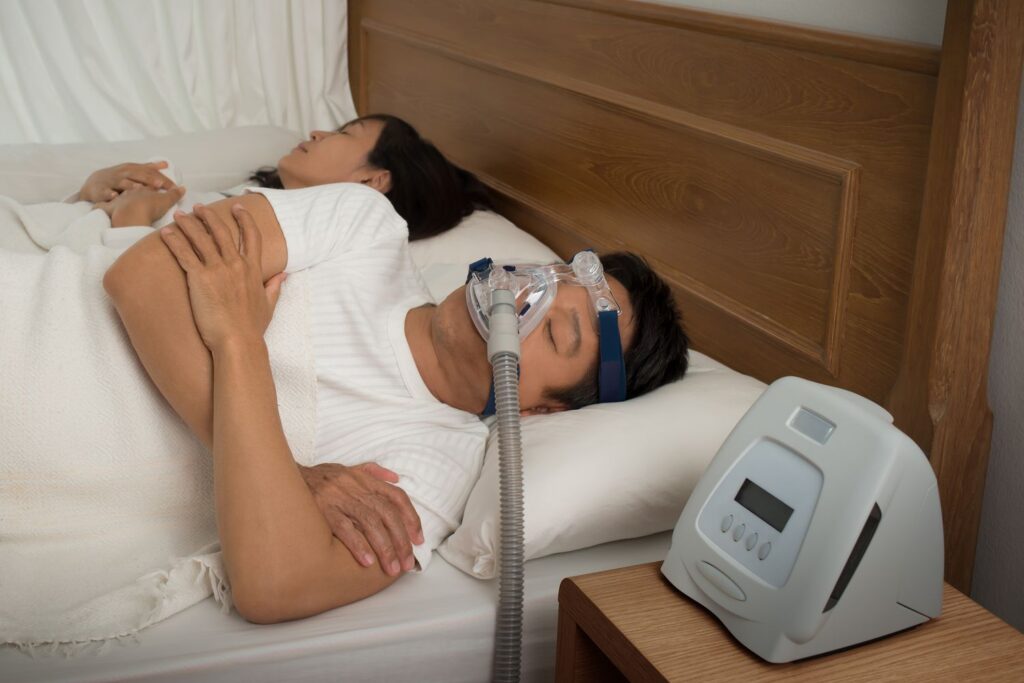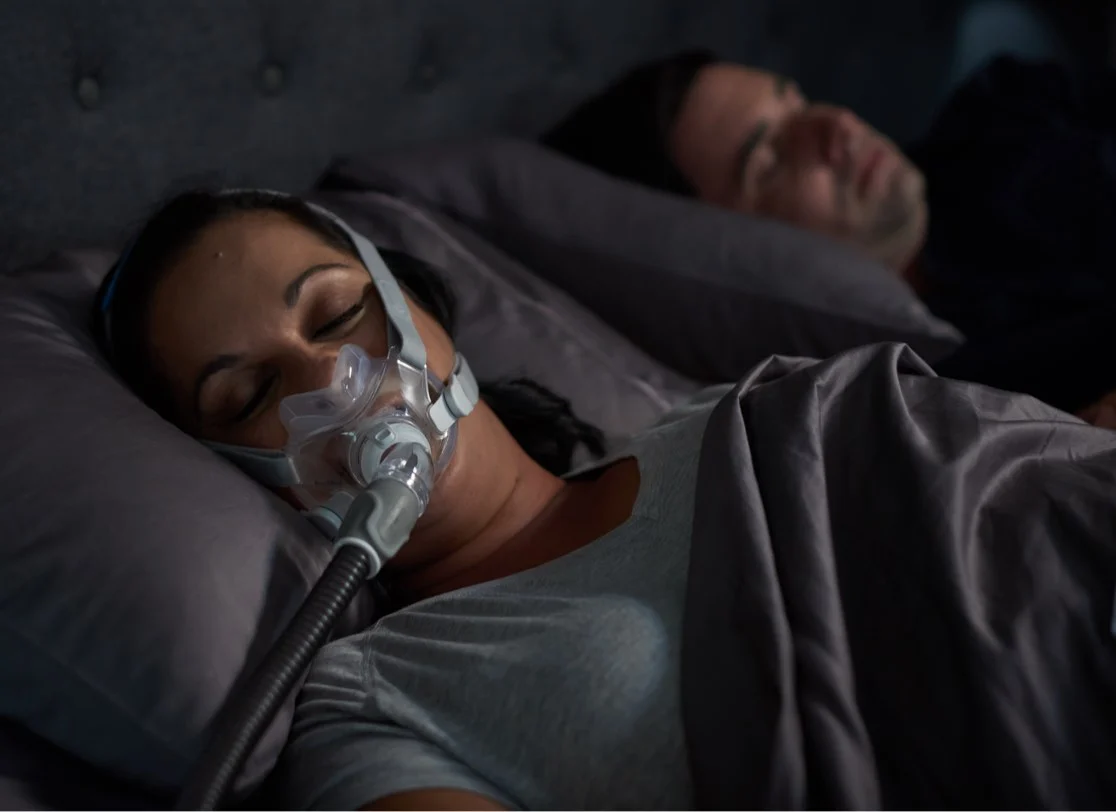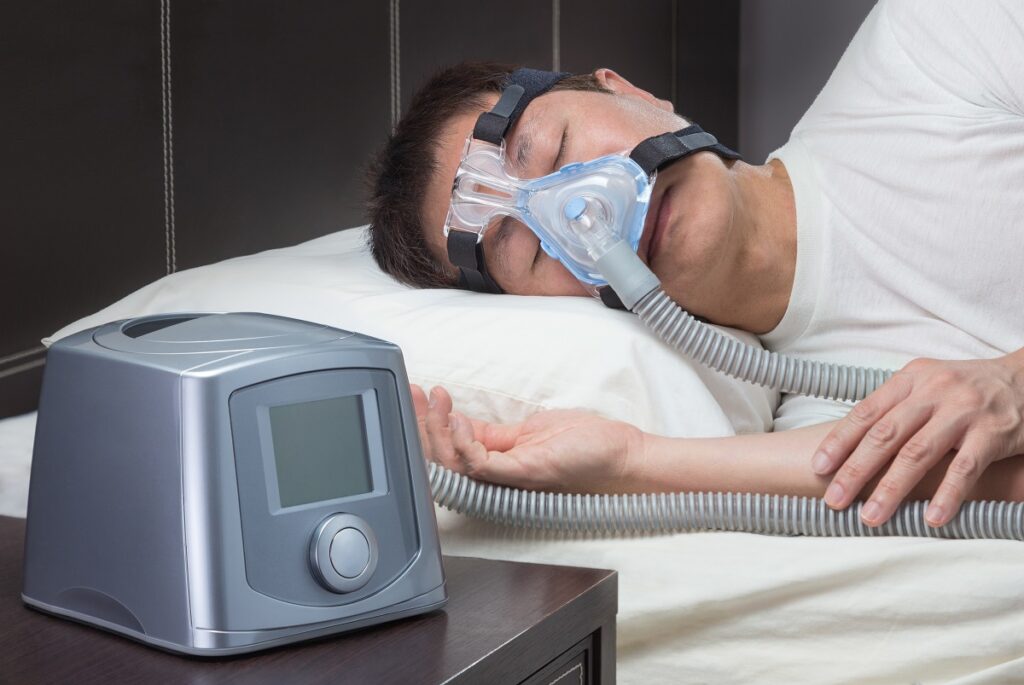
Understanding Sleep Test Costs: What You Need to Know Before Booking

Sleep Test Costs

Sleep is an essential component of our overall health and well-being, yet many people struggle with sleep disorders that can significantly impact their quality of life. If you suspect you have a sleep disorder, a sleep test may be necessary to diagnose the issue accurately. However, before booking a sleep test, it is crucial to understand the associated costs and factors that can influence these expenses. This guide aims to provide a comprehensive overview of sleep test costs, helping you make informed decisions about your health.

Types of Sleep Tests

Before delving into costs, it is important to understand the different types of sleep tests available. The two primary categories are in-lab sleep studies and home sleep tests.

Understanding sleep test costs is crucial for anyone considering a sleep study. By familiarising yourself with the different types of tests, factors influencing costs, and the importance of preparation, you can make informed decisions about your health. Always consult with healthcare professionals to ensure you receive the best possible care tailored to your individual needs.

Sleep Test Costs

In-Lab Sleep Studies

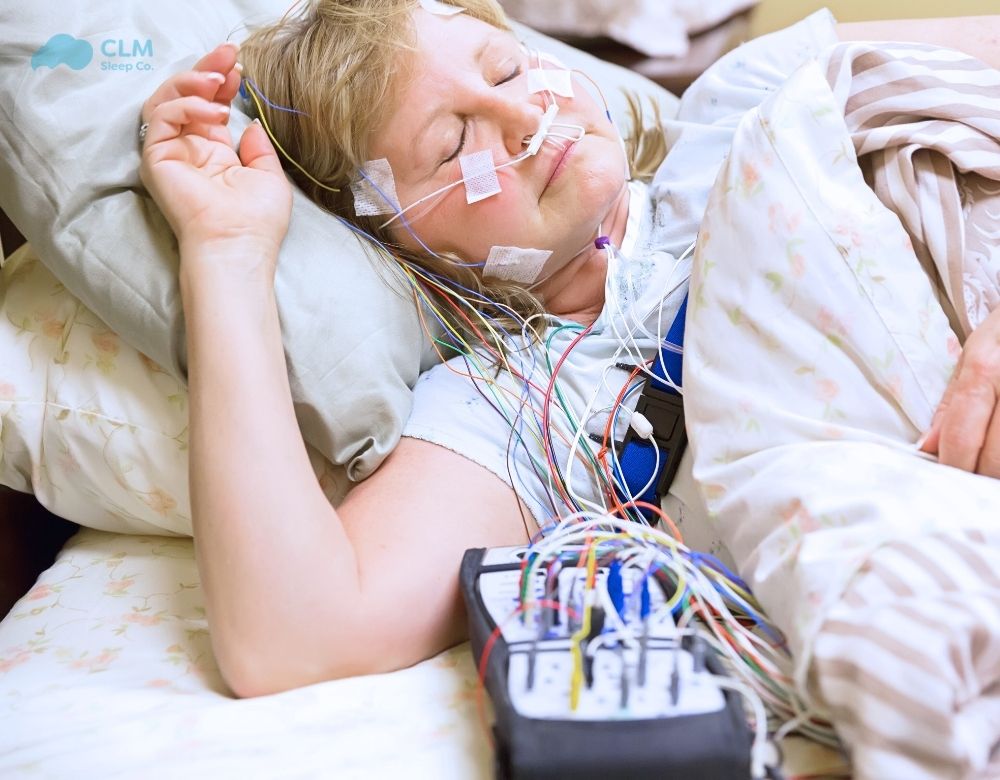
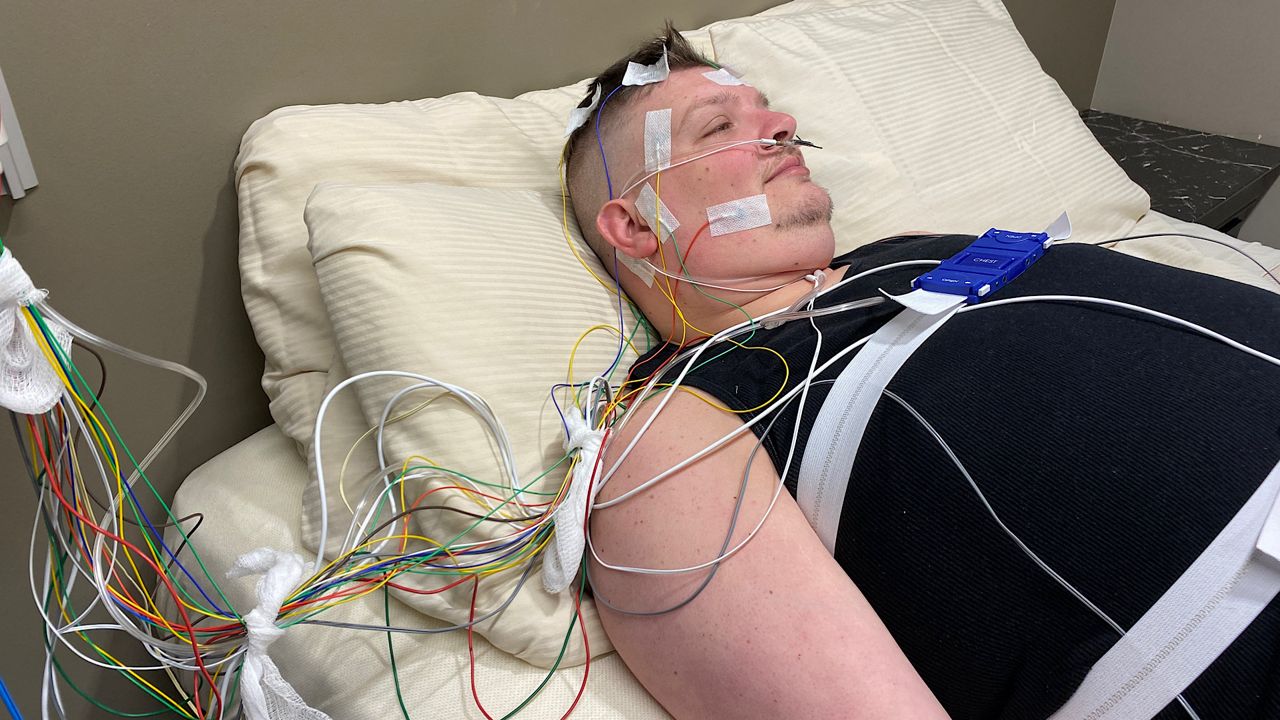
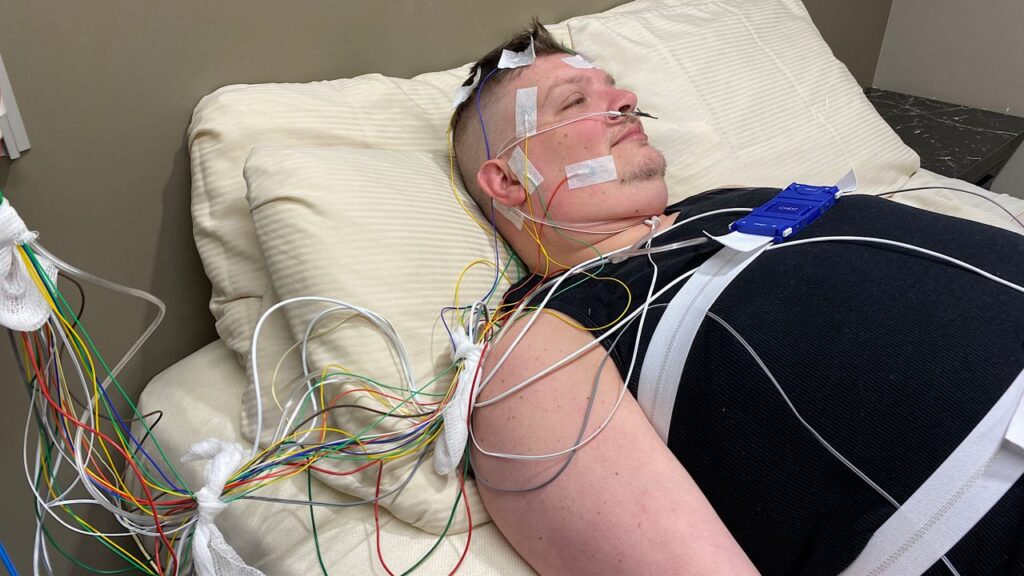
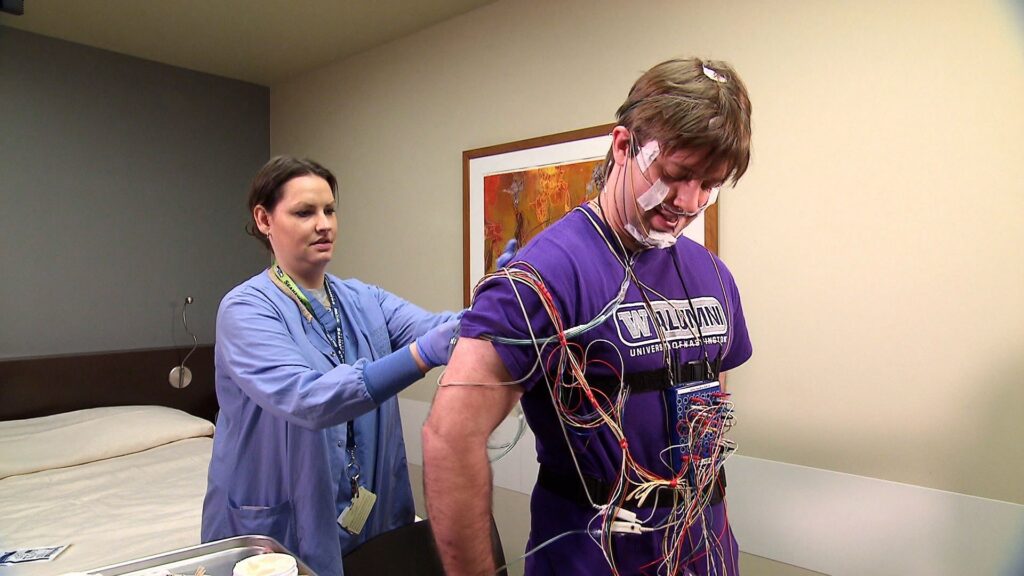
In-lab sleep studies, also known as polysomnography, are conducted in a sleep clinic or hospital. During these tests, various physiological parameters are monitored while you sleep, including brain activity, eye movements, heart rate, and oxygen levels. This comprehensive approach allows for a detailed analysis of sleep patterns and potential disorders.

The costs for in-lab sleep studies can vary significantly based on the facility, location, and specific tests performed. On average, you can expect to pay between AUD 1,000 and AUD 3,000 for a single night of testing. However, this price may not include additional consultations or follow-up appointments.

Home Sleep Tests

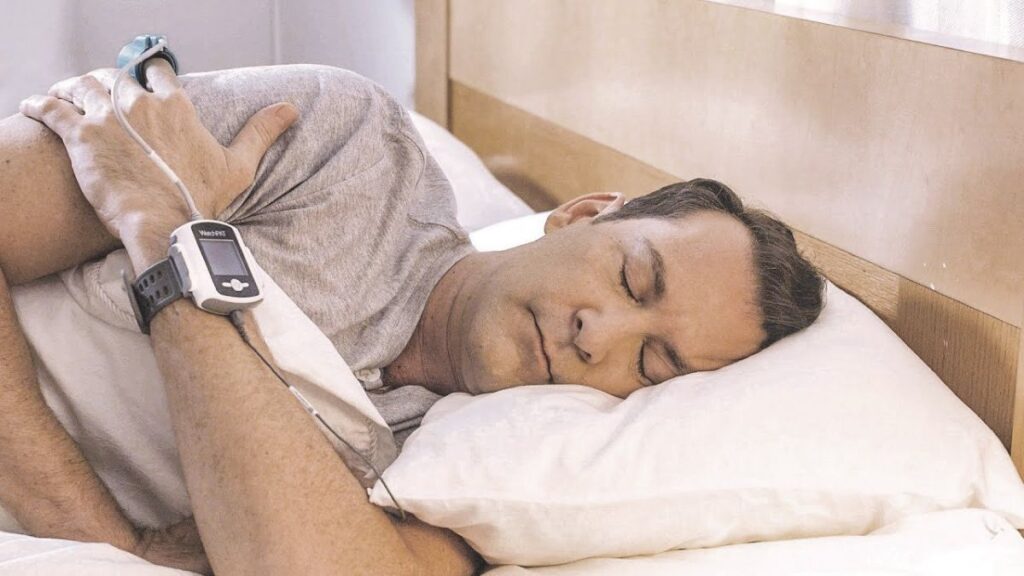
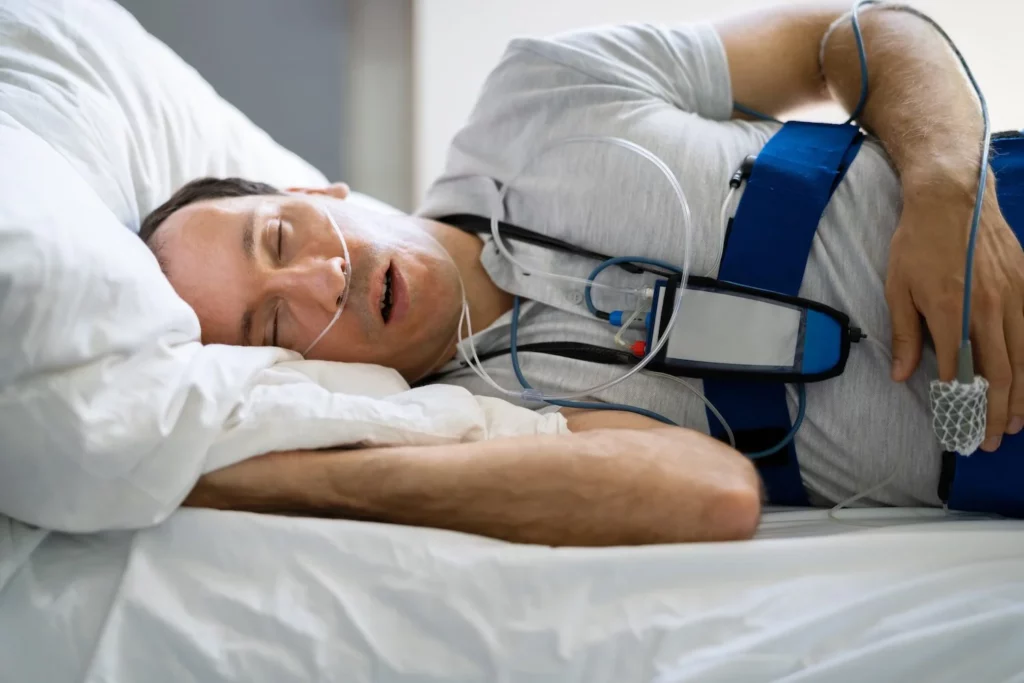
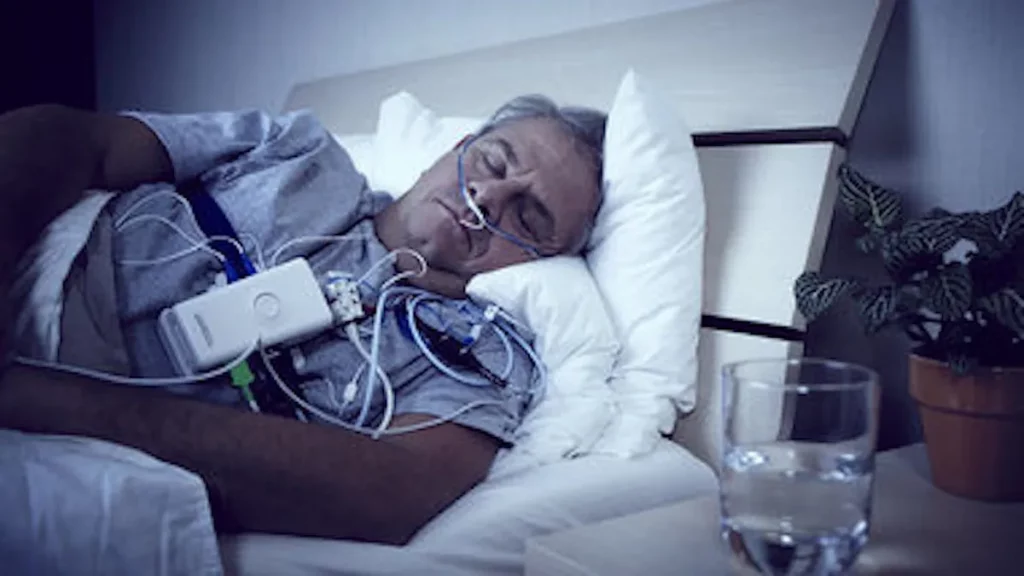
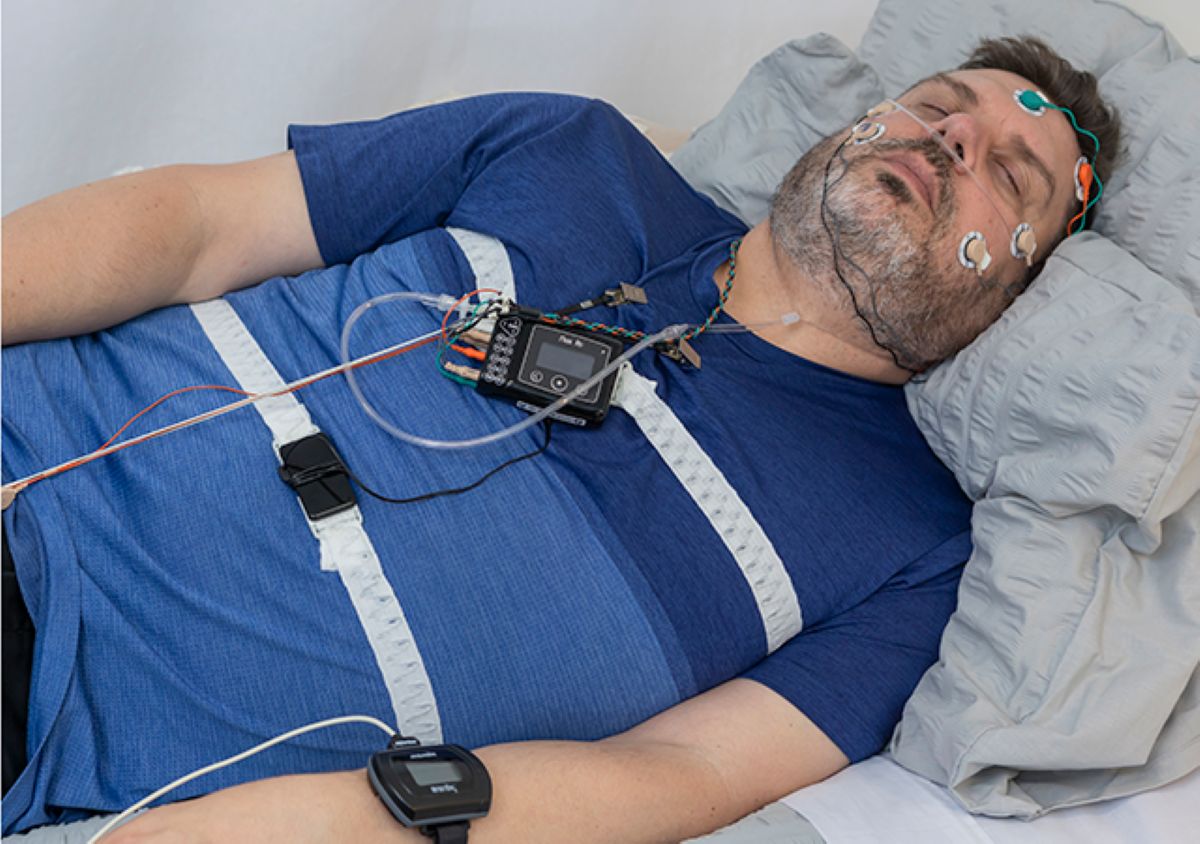
Home sleep tests are a more convenient and often less expensive alternative to in-lab studies. These tests typically involve using portable monitoring equipment that you wear while sleeping in your own bed. Home tests primarily focus on diagnosing obstructive sleep apnoea (OSA) and may not provide as comprehensive data as in-lab studies.

The cost of home sleep tests generally ranges from AUD 300 to AUD 800. Many insurance plans cover home sleep tests, making them a more accessible option for many patients.

Learn more on: Sleep Apnea Test at Home in Australia How It Works and Where to Get One

Factors Influencing Sleep Test Costs

Several factors can influence the overall cost of sleep tests, and understanding these can help you budget effectively.

Location

The geographical location of the sleep clinic or hospital can significantly impact costs. Urban centres with a higher cost of living may charge more for sleep studies compared to rural areas. Additionally, the availability of specialised sleep centres can also affect pricing. Find more about availability on https://www.cpsp.edu.pk/hpe.php

It is advisable to research multiple facilities in your area and compare their pricing structures. Some clinics may offer package deals or discounts for self-pay patients, which can further reduce costs.

Insurance Coverage

Insurance coverage plays a crucial role in determining out-of-pocket expenses for sleep tests. Many health insurance plans cover sleep studies, but the extent of coverage can vary widely. It is essential to check with your insurance provider to understand your benefits and any potential co-pays or deductibles.

Some insurance companies may require prior authorisation before approving a sleep study, so it is advisable to initiate this process early to avoid unexpected costs. Additionally, ensure that the sleep clinic you choose is within your insurance network to maximise your benefits.

Additional Costs

In addition to the base cost of the sleep test, there may be other associated expenses to consider. These can include consultation fees for the sleep specialist, follow-up appointments, and any necessary diagnostic imaging or blood tests.

It is wise to inquire about all potential costs upfront, including any fees for interpreting the results of the sleep study. Understanding the full scope of expenses can help you avoid surprises later on.

Preparing for a Sleep Test

Preparation for a sleep test can also impact costs and overall experience. Proper preparation can ensure that the test yields accurate results, potentially reducing the need for repeat testing.

Consultation with a Sleep Specialist

Before undergoing a sleep test, it is often necessary to have a consultation with a sleep specialist. This appointment typically involves discussing your sleep history, symptoms, and any relevant medical conditions. The specialist may recommend specific tests based on your individual needs.

The cost of this consultation can vary, but it is generally between AUD 200 and AUD 500. Some insurance plans may cover this expense, so it is advisable to verify your coverage beforehand.

Pre-Test Instructions

Following pre-test instructions is vital for ensuring accurate results. Patients may be advised to avoid caffeine, alcohol, and certain medications in the days leading up to the test. Additionally, it is important to maintain a regular sleep schedule to ensure that the test reflects typical sleep patterns. To read more about alcohol click here.

Failure to adhere to these guidelines may result in inconclusive test results, necessitating a repeat study and incurring additional costs.

Understanding the Results

After completing a sleep test, you will receive a report detailing the findings and any diagnoses made by the sleep specialist. Understanding these results is crucial for determining the next steps in your treatment plan.

Section Image

Interpreting the Results

Sleep test results can be complex, often containing technical jargon that may be difficult to understand. Common diagnoses include obstructive sleep apnoea, central sleep apnoea, and periodic limb movement disorder. Each condition has its own implications for treatment and management.

It is advisable to schedule a follow-up appointment with your sleep specialist to discuss the results in detail. This consultation may incur additional costs, but it is essential for developing an effective treatment plan.

Potential Treatment Options

Based on the results of your sleep test, your sleep specialist may recommend various treatment options. These can range from lifestyle changes and behavioural therapies to the use of continuous positive airway pressure (CPAP) machines or other medical interventions.

The costs associated with these treatments can vary widely, so it is important to discuss potential expenses with your healthcare provider. Some treatments may be covered by insurance, while others may require out-of-pocket payments.

Conclusion

Ultimately, investing in a sleep test can lead to better sleep quality, improved health outcomes, and an enhanced quality of life. Don’t hesitate to seek help if you suspect you have a sleep disorder; your well-being depends on it.

Sleep Apnea Test at Home in Australia: How It Works and Where to Get One

Sleep Apnea Test Home Australia

Sleep apnea is a serious sleep disorder that affects millions of Australians, characterised by repeated interruptions in breathing during sleep. For many, the thought of undergoing a sleep study in a clinical setting can be daunting. Fortunately, advancements in technology have made it possible to conduct sleep apnea tests at home, providing a more comfortable and convenient alternative. This guide explores how home sleep apnea tests work, their benefits, and where to obtain one in Australia.

Understanding Sleep Apnea

Before delving into the specifics of home testing, it is essential to understand what sleep apnea is and its potential health implications. Sleep apnea is primarily categorised into two types: obstructive sleep apnea (OSA) and central sleep apnea (CSA). OSA is the more common form, caused by a blockage of the airway, while CSA occurs when the brain fails to send appropriate signals to the muscles that control breathing.

Home sleep apnea test Australia is a prevalent condition that can have significant health implications if left untreated. Home sleep apnea tests offer a convenient, comfortable, and cost-effective way to diagnose this disorder. By understanding how these tests work and where to obtain them in Australia, individuals can take proactive steps toward improving their sleep health.

Common symptoms of sleep apnea include loud snoring, gasping for air during sleep, excessive daytime sleepiness, and difficulty concentrating. If left untreated, sleep apnea can lead to serious health issues such as cardiovascular problems, diabetes, and impaired cognitive function. Recognising the signs and seeking appropriate testing is crucial for effective management.

Sleep Apnea Test Home Australia

How Home Sleep Apnea Tests Work

Home sleep apnea tests (HSAT) are designed to diagnose sleep apnea in the comfort of your own home. These tests typically involve the use of portable monitoring devices that record various physiological parameters while you sleep. The process is straightforward and can be completed in just a few simple steps.

Read more at: Understanding Sleep Test Costs What You Need to Know Before Booking

1. Preparation for the Test

Before undergoing a home sleep apnea test, you will need to consult with a healthcare professional, typically a sleep specialist. During this consultation, your symptoms will be evaluated, and the need for a home test will be determined. If deemed appropriate, you will receive instructions on how to use the monitoring device and may be provided with a kit that includes all necessary equipment.

It is important to follow the preparation guidelines closely, which may include avoiding alcohol and sedatives before the test, as these substances can affect the results. Additionally, maintaining a regular sleep schedule leading up to the test will help ensure accurate readings.

2. The Testing Process

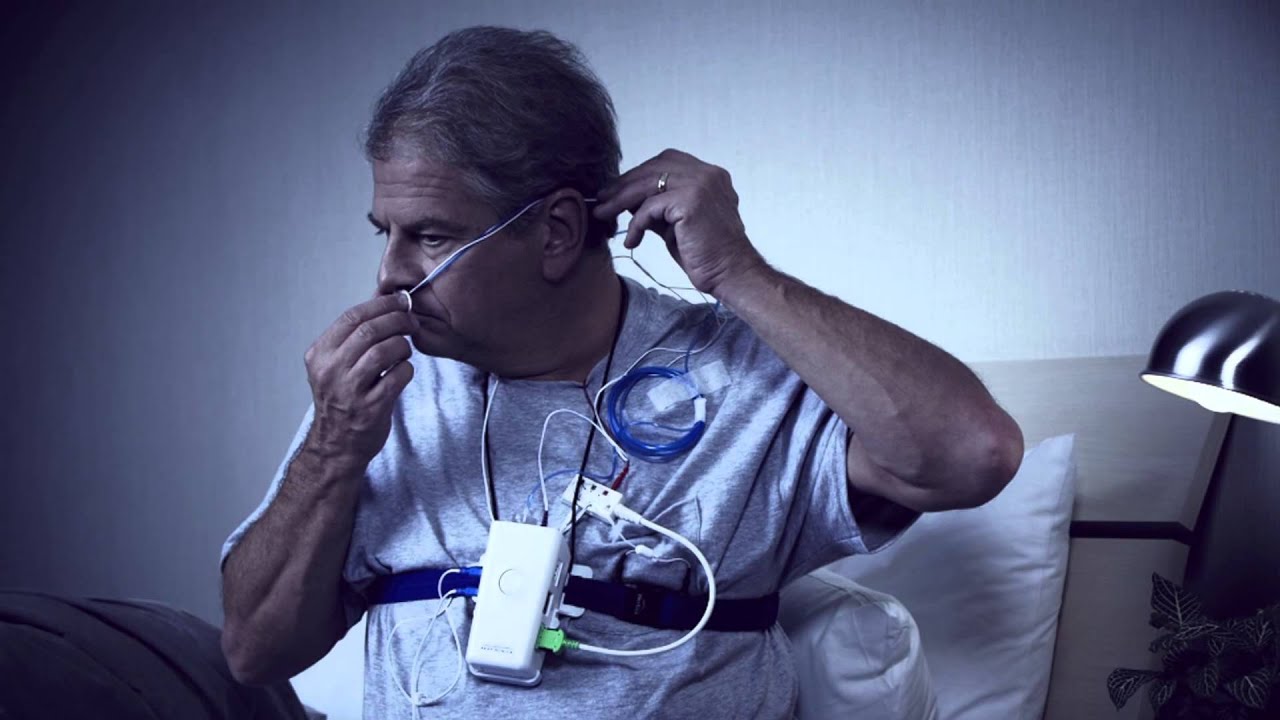
Once you have received the monitoring device, the next step is to set it up for the night. The device typically includes sensors that measure your heart rate, oxygen levels, airflow, and respiratory effort. These sensors are usually placed on your finger, chest, and around your nose or mouth.

After setting up the device, you will go to sleep as usual. The device will automatically record your sleep patterns throughout the night. Most home sleep tests are designed to be user-friendly, requiring minimal technical knowledge. However, if you encounter any issues, customer support is often available to assist you.

3. Post-Test Analysis

Upon completion of the test, you will return the device to the healthcare provider or the testing company. The data collected will then be analysed by a qualified sleep specialist, who will interpret the results and provide a diagnosis. This analysis typically takes a few days to a week, after which you will receive a report detailing the findings and recommendations for treatment if necessary.

In some cases, further testing may be required to confirm the diagnosis or to explore other potential sleep disorders. However, many individuals will receive a clear diagnosis from the home test alone. Find more about potential on https://www.superiorcolleges.edu.pk/medical-course-after-fsc-without-mdcat/

Benefits of Home Sleep Apnea Testing

Home sleep apnea tests offer several advantages over traditional in-lab sleep studies. Understanding these benefits can help individuals make informed decisions regarding their sleep health.

1. Comfort and Convenience

One of the most significant benefits of home testing is the comfort it provides. Many people find it challenging to sleep in an unfamiliar environment, which can affect the accuracy of the results. By conducting the test at home, individuals can sleep in their own bed, leading to more natural sleep patterns and potentially more reliable data.

Additionally, home tests eliminate the need for overnight stays in a sleep clinic, making the process more convenient and less intimidating. This ease of access encourages more individuals to seek testing, ultimately leading to better diagnosis and treatment rates.

2. Cost-Effectiveness

Home sleep apnea tests are generally more cost-effective than in-lab studies. The expenses associated with overnight stays, specialised staff, and extensive monitoring equipment can add up quickly in a clinical setting. In contrast, home tests are typically less expensive, making them a more accessible option for many Australians.

Health insurance plans may also cover home sleep tests, but it is advisable to check with your provider to understand your specific coverage options. This financial aspect can significantly influence the decision to pursue testing.

3. Quick Results

Another advantage of home sleep apnea tests is the speed at which results can be obtained. Since the testing process is straightforward and does not require extensive setup, individuals can receive their results relatively quickly. This prompt feedback allows for timely intervention and treatment, which is crucial for managing sleep apnea effectively.

In contrast, traditional sleep studies may involve longer wait times for appointments and results, potentially delaying necessary treatment. The efficiency of home tests can significantly enhance the overall patient experience.

Where to Get a Home Sleep Apnea Test in Australia

In Australia, several options are available for obtaining a home sleep apnea test. It is essential to choose a reputable provider to ensure accurate testing and reliable results.

1. Sleep Clinics and Hospitals

Many sleep clinics and hospitals across Australia offer home sleep apnea testing as part of their services. These facilities typically employ qualified sleep specialists who can guide you through the process, from initial consultation to result interpretation. Some well-known clinics include the Adelaide Institute for Sleep Health, the Sydney Sleep Centre, and the Melbourne Sleep Disorders Centre.

When choosing a clinic, consider factors such as location, availability of specialists, and patient reviews. It may also be beneficial to check if the clinic is accredited by relevant medical boards or associations, ensuring a high standard of care. Click here to find more about availability.

2. Online Telehealth Services

With the rise of telehealth services, many Australians now have the option to access home sleep apnea testing through online platforms. These services typically involve a virtual consultation with a sleep specialist, who will assess your symptoms and determine the need for a home test. Once approved, the testing device will be mailed to your home.

Some reputable telehealth services include Sleep Health, ResMed, and Somnomed. These platforms often provide comprehensive support throughout the testing process, including guidance on device usage and follow-up consultations to discuss results.

3. General Practitioners

Your general practitioner (GP) can also be a valuable resource for obtaining a home sleep apnea test. Many GPs are knowledgeable about sleep disorders and can provide referrals to appropriate testing services. They can also help evaluate your symptoms and determine whether a home test is suitable for your situation.

When discussing sleep concerns with your GP, be prepared to provide detailed information about your symptoms, sleep habits, and any other relevant medical history. This information will assist your GP in making an informed recommendation.

Conclusion

Section Image

Whether through a sleep clinic, telehealth service, or your GP, seeking a home sleep apnea test can be the first step in addressing sleep-related issues. Timely diagnosis and appropriate treatment can lead to improved quality of life and overall well-being.

Vision for Life: How One Quick Surgery Changes EverythingBy a caring eye specialist who’s walked this journey with many

Cataract Surgery

Introduction: A New Beginning Through Clearer Eyes

Imagine living with fogged-up glasses all the time—indoors, outdoors, even in your sleep. That’s what cataracts can feel like. Now imagine removing those glasses in just 20 minutes and suddenly seeing your world again—clear, bright, full of color.

That’s what cataract removal can do. And yes, it’s that simple.

For many of my patients, especially seniors, cataract surgery brings a quiet kind of joy. It’s not just about better vision—it’s about gaining back independence, confidence, and the ability to live fully. The first 30 days after surgery are crucial, and understanding what to expect makes all the difference.

Let’s walk through this recovery journey together—week by week—so you or your loved one can move forward with clarity and peace of mind.

See more: Conducting a Sleep Apnea Home Test in Australia: Convenience and Accuracy


Week 1: The First Few Days

Right after the surgery, most patients feel relief—and a bit of curiosity. “Is that it?” they ask, surprised by how quick and painless it was. But then comes the part that matters just as much: recovery.

What you might feel:

  • Mild itching or dryness in the eye
  • Sensitivity to light
  • Some blurry vision or glare, especially in the first 24–48 hours

Don’t worry—these sensations are completely normal. They’re just signs your eye is adjusting and healing.

What you should do:

  • Use your eye drops exactly as prescribed. These prevent infection and reduce swelling.
  • Don’t rub your eye. Even if it feels a little scratchy, rubbing can delay healing.
  • Wear your eye shield while sleeping, especially in the first few days.
  • Take it easy—avoid heavy lifting, bending over, or dusty environments.

Your first follow-up visit usually happens the next day. That’s when we check the eye, answer questions, and make sure everything is on track.


Week 2: Adjusting to Clearer Vision

This is the week when many people begin to notice the world becoming brighter. I’ve had patients tell me they hadn’t realized how yellow or dim everything had become until they started seeing with their “new eye.”

Common experiences:

  • Surprised by how vibrant colors are
  • Happy to recognize faces clearly again
  • Curious about how quickly vision is improving

You’ll likely be able to resume light activities like reading, short walks, watching TV, or even light cooking. It’s still wise to avoid swimming or dusty areas, but most daily routines can return gently.

Emotionally, this week often brings renewed hope. Many people feel more themselves again—and that’s powerful.

Cataract Surgery

Week 3: Gaining Confidence

By now, your vision is sharper, and things feel more natural. Many patients tell me they feel safe driving again or are comfortable resuming more social activities—visiting friends, attending community events, or going out to eat.

You may notice that:

  • Nighttime glare is reducing
  • Halos around lights (if any) are fading
  • Your eye feels almost back to normal

There might still be a little dryness or occasional eye fatigue. That’s normal—your eye is still healing inside, even if it looks great on the outside.

At this stage, many patients begin asking about the second eye (if it hasn’t been done yet), or whether glasses are still needed. We’ll talk about that soon.


Week 4: Seeing the World Differently

By the end of the month, your vision is largely stabilized. You’ve likely had another follow-up visit, and we’ve checked to see if glasses are still necessary. Many patients don’t need them for distance, and some need only light reading assistance.

But the most beautiful part? Patients often say life feels lighter. They’re seeing things they haven’t noticed in years—fine print, leaves on trees, their grandchildren’s smiles in vivid detail.

Colors are sharper. Edges are crisper. Vision doesn’t feel like a battle anymore—it feels like a gift.


FAQs: Answering the Common Worries

Can I rub my eyes?
Please don’t—at least not yet. Even light rubbing can disrupt healing or introduce bacteria. If your eye feels itchy or dry, use your prescribed drops and let us know if it persists.

Will my vision keep improving?
Yes! For most patients, vision gradually improves over several weeks. Even if it feels great after a few days, give it time to settle fully.

What if one eye feels different than the other?
This is quite common—especially if you’ve only had one eye treated so far. Each eye heals in its own way. If something feels unusual or worrying, reach out to your eye doctor.


Conclusion: From Foggy Days to a Bright Tomorrow

Cataract removal is more than a medical procedure—it’s a quiet revolution in someone’s life. It brings back freedom. It brings back joy. It reminds us what it’s like to see the world clearly again.

Yes, the first 30 days require care and patience. But with proper guidance and gentle healing, those days become a stepping stone to something truly wonderful.

If you’re about to undergo cataract surgery—or supporting someone who is—know this: it’s a journey worth taking. Your eyes will thank you. And your life? It may just feel brand new.

How Much Does Cataract Surgery Cost in Australia? Breaking Down the Expenses

Cataract Surgery Cost in Australia

Understanding Cataracts and Their Treatment

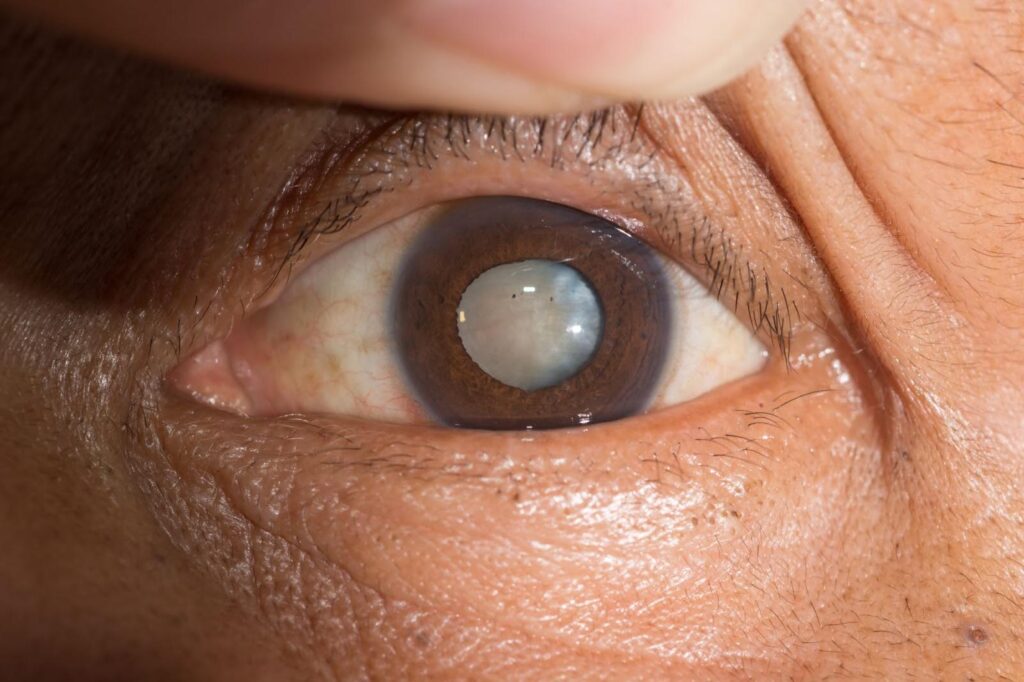
Cataracts are a common eye condition that affects many individuals, particularly as they age. They occur when the lens of the eye becomes cloudy, leading to blurred vision and, in some cases, significant impairment. The primary treatment for cataracts is surgery, which involves removing the cloudy lens and replacing it with an artificial one. This procedure is generally safe and effective, but many potential patients often wonder about the associated costs.

In Australia, the price of cataract surgery can vary widely based on several factors, including the type of surgery, the surgeon’s fees, the facility where the surgery is performed, and whether the patient has private health insurance. Understanding these factors can help individuals make informed decisions about their eye health and financial planning.

The average cataract surgery cost in Australia typically ranges from AUD 3,000 to AUD 5,000 per eye for those without private health insurance. This estimate includes the surgeon’s fees, facility charges, and anaesthesia. However, costs can vary significantly based on the factors previously discussed.

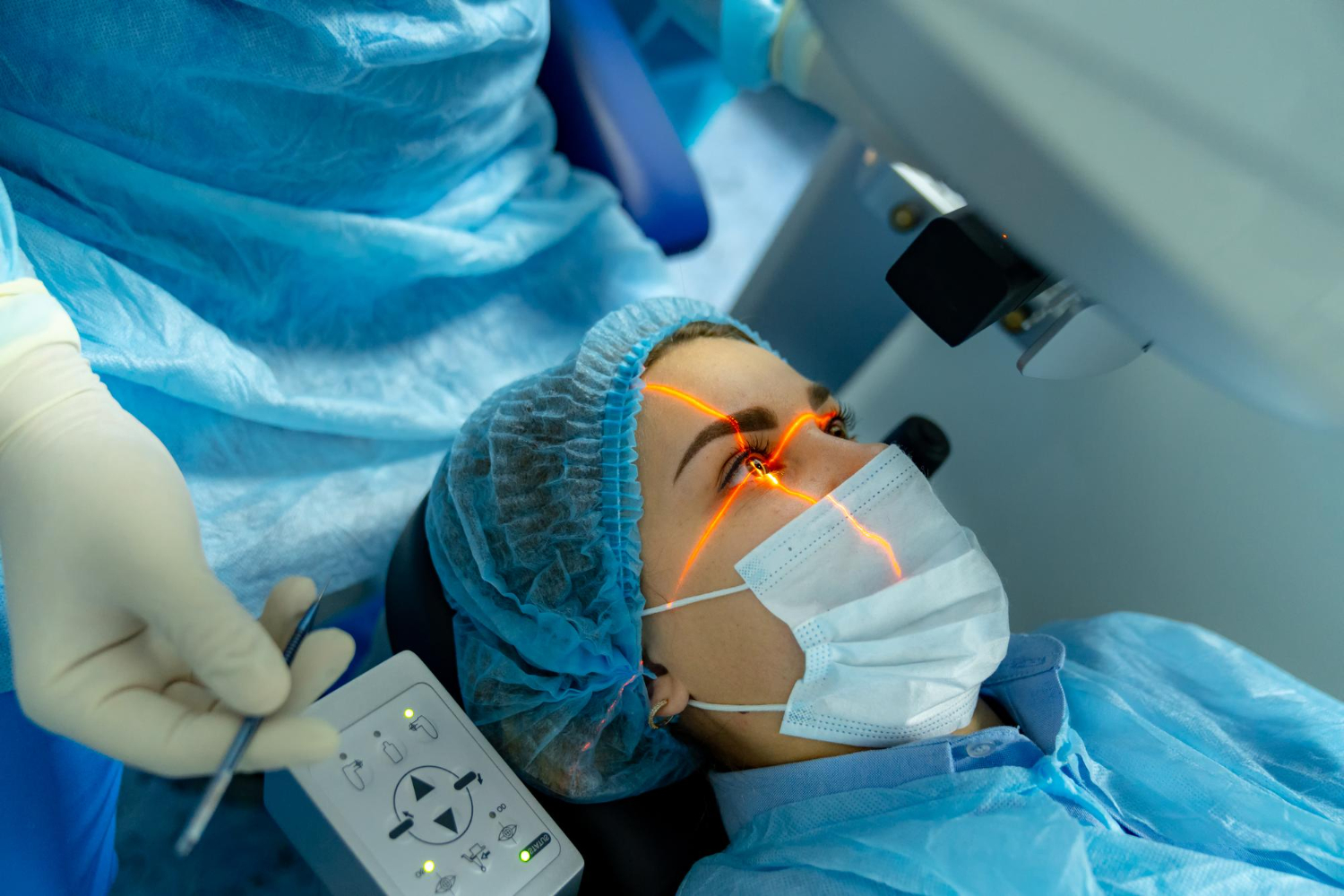
Moreover, it is essential to consider the advancements in cataract surgery techniques that have emerged in recent years. For instance, many surgeons now utilise phacoemulsification, a minimally invasive method that involves using ultrasound waves to break up the cloudy lens before it is removed. This technique not only reduces recovery time but also enhances the overall safety of the procedure, allowing patients to return to their daily activities much sooner than with traditional methods. Additionally, the introduction of premium intraocular lenses (IOLs) offers patients the option to correct refractive errors such as astigmatism or presbyopia, further improving their vision post-surgery.

Cataract Surgery Cost in Australia

Furthermore, the emotional and psychological impact of cataracts should not be overlooked. Many individuals experience a decline in their quality of life due to vision impairment, which can lead to feelings of isolation and frustration. Engaging in conversations with healthcare providers about the timing of surgery is crucial, as early intervention can prevent further deterioration of vision and help maintain independence. Support groups and educational resources are also available to assist patients and their families in navigating the challenges associated with cataracts, fostering a sense of community and understanding during the treatment process.

Factors Influencing the Cost of Cataract Surgery

Type of Surgery

There are generally two types of cataract surgery performed in Australia: traditional cataract surgery and laser-assisted cataract surgery. Traditional surgery, known as phacoemulsification, is the most common method and typically costs less than its laser-assisted counterpart. The latter uses advanced technology to enhance precision and may lead to quicker recovery times, but it often comes with a higher price tag.

Patients should discuss with their ophthalmologist which type of surgery is best suited for their condition and budget. While laser surgery may seem appealing, the traditional method has a long track record of success and may be sufficient for many individuals. Furthermore, the choice of surgery can also depend on the specific characteristics of the cataract and the patient’s overall eye health. For instance, some patients may have coexisting eye conditions that could influence the decision, making it imperative to have a thorough consultation with a qualified eye specialist.

Cataract Surgery Cost in Australia

Surgeon’s Fees

The fees charged by the surgeon can significantly impact the overall cost of cataract surgery. Surgeons with extensive experience or those who are highly regarded in their field may charge more for their services. It is essential for patients to consider the surgeon’s qualifications and track record when evaluating costs. A more experienced surgeon may provide peace of mind and potentially better outcomes. Learn more about qualifications at https://hsa.edu.pk/course/certification-in-medical-health-profession-education/

Patients should not hesitate to ask about the surgeon’s fees upfront and whether these costs are included in the overall package or billed separately. Transparency in pricing is crucial for effective financial planning. Additionally, patients might want to explore whether their health insurance covers part of the surgeon’s fees, as this can significantly alleviate the financial burden. Some insurance policies may have specific requirements or preferred providers, so it is wise to review these details before making a decision.

Facility Charges

The facility where the surgery takes place also plays a role in determining the cost. Hospitals and surgical centres may have different pricing structures, and some may offer all-inclusive packages that cover the surgery, anaesthesia, and post-operative care. It is advisable for patients to inquire about these packages and what they include.

Additionally, the location of the facility can affect costs. Urban centres may have higher fees compared to regional areas due to the cost of living and operational expenses. Patients should weigh the convenience of location against potential savings. Moreover, the quality of the facility can also vary, with some centres offering state-of-the-art equipment and amenities that may enhance the surgical experience. Patients may wish to consider factors such as the facility’s accreditation, the availability of specialised staff, and the overall patient satisfaction ratings, as these can all contribute to the quality of care received during the surgical process.

Insurance and Out-of-Pocket Expenses

Public vs. Private Health Insurance

In Australia, those with private health insurance may find that a significant portion of their cataract surgery costs is covered. However, the extent of coverage can vary based on the policy. Some policies may cover the entire cost of the surgery, while others may only cover a portion, leaving patients with out-of-pocket expenses.

Public health insurance, through Medicare, also provides coverage for cataract surgery, but waiting times can be considerable. Patients opting for surgery through the public system may experience delays that could affect their quality of life. It is essential for individuals to assess their health insurance options and consider whether private insurance is worth the investment for quicker access to surgery.

Learn more on: Is Private Cataract Surgery Cost Justified Exploring Pros and Cons

Out-of-Pocket Costs

Even with insurance, patients should be prepared for out-of-pocket costs, which can include co-payments, excess fees, and costs related to post-operative care. These expenses can add up, so it is crucial to have a clear understanding of what to expect financially. Patients should discuss potential out-of-pocket costs with their healthcare provider and insurance company to avoid surprises.

Additionally, patients should consider the costs of follow-up appointments and any necessary medications after surgery. These expenses can vary, and budgeting for them can help ensure a smoother recovery process.

Average Costs of Cataract Surgery in Australia

General Cost Estimates

For those with private health insurance, the out-of-pocket expenses may be considerably lower, depending on the level of coverage. It is advisable for patients to obtain quotes from multiple surgeons and facilities to find the best option for their needs.

Additional Costs to Consider

In addition to the direct costs of the surgery, patients should consider other potential expenses. For instance, if a patient requires glasses or contact lenses after surgery, these costs should be factored into the overall budget. Moreover, transportation costs to and from the surgical facility may also add to the financial burden.

Patients should also be aware of the potential for complications, which, although rare, may incur additional costs for treatment. Discussing these possibilities with the surgeon can provide a clearer picture of the financial implications.

Financial Assistance and Payment Plans

Government Assistance Programs

For individuals facing financial difficulties, there may be government assistance programs available to help cover the costs of cataract surgery. Programs may vary by state and territory, so it is essential to research local options and eligibility criteria. Patients should consult with their healthcare provider to explore available resources.

In some cases, community health organisations may offer financial assistance or support services for individuals in need. These resources can help alleviate the financial burden associated with cataract surgery. To know more about community click here.

Payment Plans and Financing Options

Many surgical facilities and ophthalmologists offer payment plans to help patients manage the costs of cataract surgery. These plans can allow patients to pay for their surgery in instalments rather than a lump sum, making it more manageable. It is advisable to inquire about available financing options during the initial consultation.

Additionally, some medical credit cards or loans specifically designed for healthcare expenses may be available. Patients should carefully review the terms and conditions of any financing option to ensure they fully understand the repayment obligations.

Preparing for Cataract Surgery

Consultation and Assessment

Prior to undergoing cataract surgery, patients will typically have a comprehensive consultation with an ophthalmologist. This assessment will include a thorough eye examination and discussions about the patient’s medical history and specific needs. During this consultation, patients should feel free to ask questions about the procedure, costs, and any concerns they may have.

Patients should also discuss their insurance coverage and any potential out-of-pocket expenses during this meeting. This transparency will help establish realistic expectations and ensure that patients are well-informed about their financial responsibilities.

Post-Operative Care and Recovery

After cataract surgery, patients will require post-operative care, which may include follow-up appointments and prescribed medications. It is essential to adhere to the surgeon’s recommendations for recovery to ensure optimal results. Patients should also be aware of any additional costs associated with post-operative care and factor these into their budget.

Recovery times can vary, but many individuals experience improved vision within a few days. However, it is crucial to attend all follow-up appointments to monitor healing and address any potential complications.

Conclusion: Making an Informed Decision

Cataract surgery is a vital procedure that can significantly enhance the quality of life for those affected by cataracts. However, understanding the associated costs is essential for making an informed decision. By considering the various factors that influence pricing, such as the type of surgery, surgeon’s fees, and facility charges, patients can better prepare for the financial aspects of their treatment.

For those with private health insurance, it is important to review coverage details and potential out-of-pocket expenses. Additionally, exploring financial assistance programs and payment plans can provide further support in managing costs.

Ultimately, the decision to undergo cataract surgery should be based on a thorough understanding of both the medical and financial implications. Consulting with healthcare professionals and conducting research will empower patients to make choices that align with their health needs and financial situations.

Is Private Cataract Surgery Cost Justified? Exploring Pros and Cons

Cataract Surgery

Cataract surgery is a common procedure that can significantly improve the quality of life for those suffering from vision impairment. While many individuals opt for public healthcare options, the appeal of private cataract surgery has grown in recent years. This article delves into the costs associated with private cataract surgery, weighing the pros and cons to help patients make informed decisions about their eye health.

Understanding Cataracts and Their Treatment

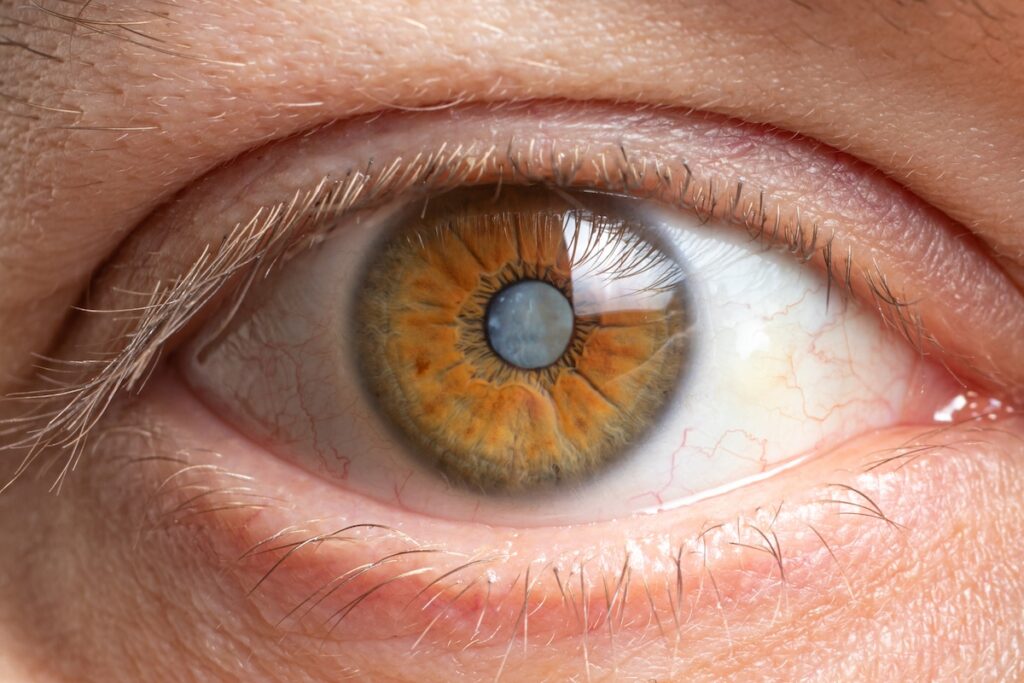
Cataracts occur when the lens of the eye becomes cloudy, leading to blurred vision, difficulty with glare, and eventual blindness if left untreated. The condition is prevalent among older adults, but it can also affect younger individuals due to various factors such as diabetes, smoking, and prolonged exposure to sunlight. Additionally, certain genetic predispositions and eye injuries can accelerate the development of cataracts, making it essential for individuals of all ages to undergo regular eye examinations. Early detection can significantly influence the management and treatment of this condition, ensuring that individuals maintain their quality of life.

Cataract Surgery Cost

Private cataract surgery can offer numerous benefits, including reduced waiting times, personalised care, and access to advanced technology. However, the cataract surgery cost and potential for over-treatment are significant considerations that should not be overlooked. Ultimately, the decision to pursue private cataract surgery should be based on a thorough evaluation of individual circumstances, preferences, and financial capabilities.

What is Cataract Surgery?

Cataract surgery involves the removal of the cloudy lens and its replacement with an artificial intraocular lens (IOL). This outpatient procedure typically lasts less than an hour, and most patients experience a significant improvement in their vision shortly after the operation. The surgery is performed using advanced techniques, often utilising phacoemulsification, where ultrasound waves break up the cloudy lens for easier removal. Post-surgery, patients are usually prescribed eye drops to aid healing and prevent infection, and follow-up appointments are crucial to monitor recovery and ensure optimal outcomes.

Read more at: How Much Does Cataract Surgery Cost in Australia Breaking Down the Expenses

Public vs. Private Surgery Options

In many countries, cataract surgery is available through public healthcare systems, often at little to no cost to the patient. However, waiting times can be lengthy, leading some individuals to consider private surgery as a quicker alternative. Private options often promise faster access to treatment and a more personalised experience. Furthermore, private clinics may offer a wider range of lens options, including premium lenses that can correct astigmatism or presbyopia, providing patients with even better visual outcomes. The choice between public and private care ultimately depends on individual circumstances, including financial considerations, urgency of treatment, and personal preferences regarding the healthcare experience.

Cataract Surgery Cost

The Costs of Private Cataract Surgery

The cost of private cataract surgery can vary widely based on several factors, including the surgeon’s expertise, the type of lens used, and the facility’s location. On average, patients can expect to pay anywhere from £2,000 to £5,000 per eye in the UK. This price may include pre-operative assessments, the surgery itself, and post-operative follow-up appointments.

Factors Influencing Cost

Several elements contribute to the overall cost of private cataract surgery. Firstly, the choice of intraocular lens can significantly impact the price. Standard monofocal lenses are generally less expensive, while premium lenses, such as multifocal or toric lenses, can increase the total cost substantially. These premium lenses offer distinct advantages, such as improved vision at various distances, which can be particularly beneficial for patients who wish to reduce their dependence on glasses after surgery.

Additionally, the surgeon’s reputation and experience can influence fees. Highly regarded specialists may charge more for their services, reflecting their expertise and the quality of care they provide. Patients often seek out surgeons with a proven track record in cataract procedures, as this can lead to better outcomes and a smoother recovery process. Finally, the location of the surgery can also affect costs, with urban centres typically charging higher fees than rural areas. This disparity can be attributed to the increased overhead costs associated with operating in densely populated regions, where demand for such services is often higher. Read more about quality at https://www.auctoresonline.org/article/quality-management-in-medical-education-between-theory-and-application-paradigm-shift-or-falsification-of-reality

Insurance and Payment Options

Many private health insurance policies offer coverage for cataract surgery, but the extent of this coverage can vary. Patients should check with their insurance providers to understand what is included and whether any out-of-pocket expenses will be incurred. For those without insurance, financing options may be available, allowing patients to pay for the procedure in instalments. Some clinics even offer interest-free credit plans, making the surgery more accessible to a broader range of patients. Furthermore, it is advisable for individuals to thoroughly research and compare different clinics, as this can reveal significant differences in pricing and service offerings, potentially leading to better value for money.

In addition to the financial considerations, patients should also be aware of the potential for additional costs associated with cataract surgery. For instance, if complications arise during or after the procedure, further treatments may be necessary, which could incur extra charges. It’s also worth noting that some patients may require additional corrective procedures after their initial surgery, particularly if they opt for standard lenses over premium options. Therefore, it is essential for prospective patients to have a comprehensive discussion with their healthcare provider about all possible costs and to ensure they have a clear understanding of what their chosen package entails.

Pros of Private Cataract Surgery

Choosing private cataract surgery comes with several advantages that can enhance the overall patient experience. Understanding these benefits can help individuals weigh their options more effectively.

Reduced Waiting Times

One of the most significant benefits of opting for private cataract surgery is the reduced waiting time. In the public healthcare system, patients may face long delays before receiving treatment, sometimes waiting months or even years. Private surgery allows for quicker access, enabling patients to address their vision issues sooner.

Personalised Care

Private cataract surgery often provides a more personalised experience. Patients may have the opportunity to consult directly with their surgeon, allowing for tailored treatment plans that align with their specific needs and preferences. This level of attention can lead to increased patient satisfaction and confidence in the procedure.

Advanced Technology and Techniques

Private facilities often invest in the latest technology and surgical techniques, which can enhance the overall outcome of the surgery. For instance, some private clinics offer laser-assisted cataract surgery, which may result in improved precision and faster recovery times. Access to such advanced options can be a compelling reason for patients to consider private surgery. Click here to read more about technology .

Moreover, private clinics frequently provide a broader range of intraocular lens options, allowing patients to select lenses that best suit their lifestyle and visual needs. This could include multifocal lenses that enable clear vision at multiple distances or toric lenses designed to correct astigmatism. Such choices empower patients to take an active role in their treatment, ensuring that their unique visual requirements are met with the utmost care and consideration.

Additionally, the environment in private healthcare settings tends to be more comfortable and less clinical than that of public hospitals. Patients often benefit from private rooms, shorter recovery times, and more attentive nursing staff. This can significantly reduce anxiety surrounding the procedure, creating a more relaxed atmosphere that promotes healing. The overall experience is designed to be as stress-free as possible, allowing individuals to focus on their recovery and the restoration of their vision.

Cons of Private Cataract Surgery

Despite the numerous advantages, there are also drawbacks to consider when contemplating private cataract surgery. A balanced view of these cons can aid in making an informed decision.

High Costs

The most apparent disadvantage of private cataract surgery is the cost. For many individuals, the expense can be prohibitive, particularly if they are on a fixed income or do not have adequate insurance coverage. The financial burden may lead some to question whether the benefits justify the price tag. Furthermore, the costs associated with private surgery can vary significantly between clinics, with some offering packages that may seem appealing but could ultimately lead to hidden fees. Patients are advised to scrutinise the fine print and ensure they are fully aware of all potential costs involved.

Potential for Over-treatment

In some cases, private clinics may promote additional services or premium lenses that patients may not necessarily need. This can lead to over-treatment, where patients are encouraged to opt for more expensive options without fully understanding the implications. It is crucial for patients to conduct thorough research and seek second opinions if necessary. Additionally, the pressure to choose high-end options can be overwhelming, especially for those who may feel anxious about their vision. This can create a sense of urgency that clouds judgement, making it even more important to approach the decision with a clear mind and adequate information.

Insurance Limitations

While some private health insurance policies cover cataract surgery, many do not fully reimburse the costs. Patients may find themselves facing unexpected out-of-pocket expenses, which can add to the overall financial strain. It is essential to clarify coverage details before proceeding with private surgery. Moreover, the lack of comprehensive insurance coverage can lead to disparities in access to quality care, where those with better financial means can afford the best options while others may have to settle for less optimal solutions. This inequity in healthcare can be disheartening and may deter some from seeking the treatment they need in a timely manner.

Making an Informed Decision

When considering whether to pursue private cataract surgery, individuals should weigh the pros and cons carefully. An informed decision requires thorough research and an understanding of personal circumstances.

Consultation with Healthcare Professionals

Engaging in discussions with healthcare professionals is vital. Patients should consult with their general practitioners or ophthalmologists to gain insights into their specific condition and treatment options. These professionals can provide valuable information regarding the necessity of surgery and the potential outcomes.

Researching Private Clinics

Before committing to a private clinic, patients should conduct comprehensive research. This includes reading reviews, checking the clinic’s accreditation, and assessing the qualifications of the surgical team. A well-informed choice can significantly impact the quality of care received.

Considering Long-term Implications

It is essential to consider the long-term implications of private cataract surgery. While the immediate benefits may be appealing, patients should also reflect on their financial situation and the potential need for further treatments in the future. A clear understanding of both short-term and long-term factors will aid in making a sound decision.

Conclusion

By engaging in open discussions with healthcare professionals and conducting diligent research, patients can ensure that they make the best choice for their eye health and overall well-being. Whether opting for public or private surgery, the goal remains the same: to restore vision and enhance quality of life.

Conducting a Sleep Apnea Home Test in Australia: Convenience and Accuracy

Sleep Apnea Home Test

Getting a good night’s sleep is essential for our overall health and well-being. However, for many individuals suffering from sleep apnea, a good night’s rest is elusive. Sleep apnea is a common sleep disorder characterized by pauses in breathing or shallow breaths during sleep. These pauses can range from a few seconds to minutes and can occur multiple times throughout the night. If left untreated, sleep apnea can have serious health consequences, including high blood pressure, heart disease, and stroke.

Understanding Sleep Apnea

Sleep apnea is a complex condition that affects millions of people worldwide. It is categorized into three types: obstructive sleep apnea (OSA), central sleep apnea (CSA), and complex sleep apnea syndrome (CSAS). OSA is the most common type and occurs when the muscles in the back of the throat fail to keep the airway open, causing breathing pauses or shallow breaths.

The Science Behind Sleep Apnea

During sleep, the muscles that support the soft tissues in the throat relax, causing the airway to become narrow or blocked. As a result, the brain sends signals to waking the body up briefly to reopen the airway, often with a loud snore or choking sound. These frequent interruptions prevent individuals from entering deep, restorative sleep, leaving them feeling tired and exhausted during the day.

Sleep Apnea Home Test

Furthermore, recent studies have shown a potential link between sleep apnea and cardiovascular diseases. The repeated drops in oxygen levels during apnea episodes can put a strain on the heart and increase the risk of heart attacks, strokes, and irregular heartbeats. This underscores the importance of diagnosing and managing sleep apnea to protect not just the quality of sleep but also overall cardiovascular health.

Symptoms and Risks of Sleep Apnea

Recognizing the symptoms of sleep apnea is crucial for early detection and treatment. Common symptoms include loud snoring, daytime sleepiness, morning headaches, difficulty concentrating, and irritability. Sleep apnea can also increase the risk of developing other health conditions such as hypertension, diabetes, and obesity.

It is essential to note that untreated sleep apnea can have a significant impact on mental health as well. The chronic sleep deprivation caused by the condition can lead to mood swings, depression, and anxiety. By addressing sleep apnea through lifestyle changes, continuous positive airway pressure (CPAP) therapy, or surgery, individuals can not only improve their physical health but also enhance their mental well-being and overall quality of life.

The Importance of Sleep Apnea Testing

Identifying the need for a sleep apnea test is the first step towards managing this condition effectively. If you suspect that you or a loved one may have sleep apnea, seeking professional medical advice is recommended. Early detection and treatment of sleep apnea can vastly improve the quality of life, reduce the risk of developing additional health problems, and improve overall sleep patterns.

Sleep apnea is a common but serious sleep disorder that occurs when a person’s breathing is interrupted during sleep. This interruption can last for a few seconds to minutes and may occur multiple times throughout the night. If left untreated, sleep apnea can lead to complications such as high blood pressure, heart disease, stroke, and diabetes.

Identifying the Need for a Sleep Apnea Test

If you experience the symptoms mentioned earlier or exhibit any signs of sleep apnea, consulting a healthcare professional is essential. A sleep apnea test, also known as a polysomnography, is typically conducted in a sleep laboratory. However, advancements in technology have made it possible to conduct sleep apnea tests in the comfort of your own home.

During a sleep apnea test, various parameters are monitored, including airflow, oxygen levels, breathing patterns, and brain activity. These measurements help healthcare providers determine the severity of sleep apnea and tailor treatment plans accordingly.

Benefits of Early Detection and Treatment

Early detection and treatment of sleep apnea can significantly improve symptoms and reduce associated health risks. Moreover, treating sleep apnea can enhance productivity, improve cognitive function, and lead to an overall better quality of life.

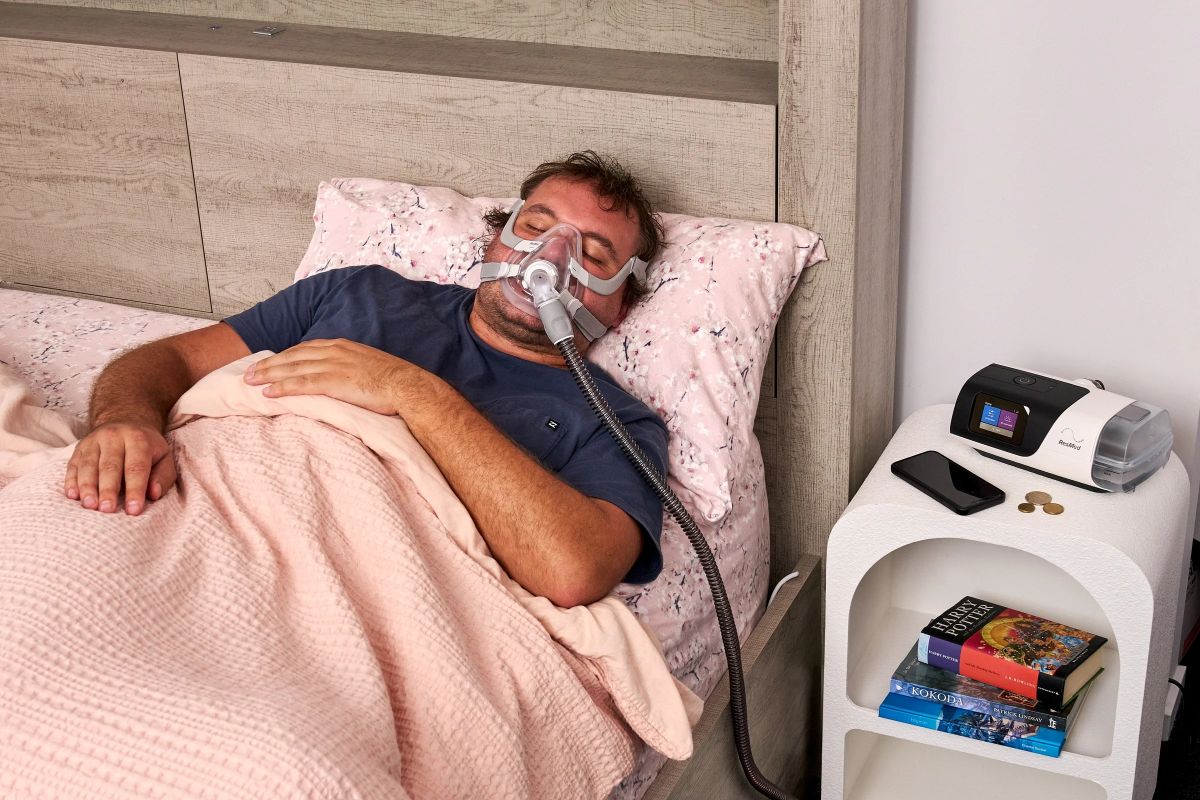
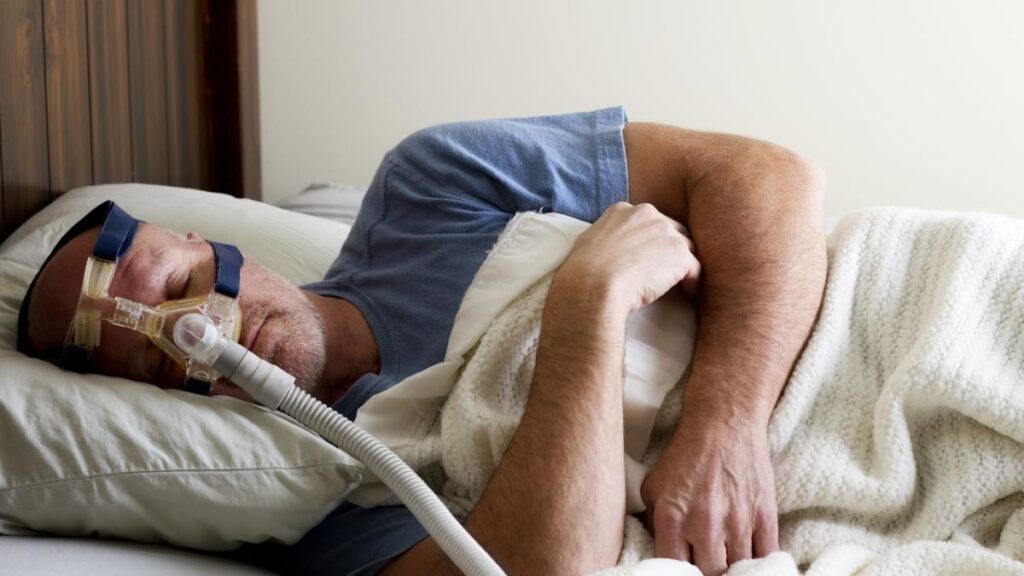
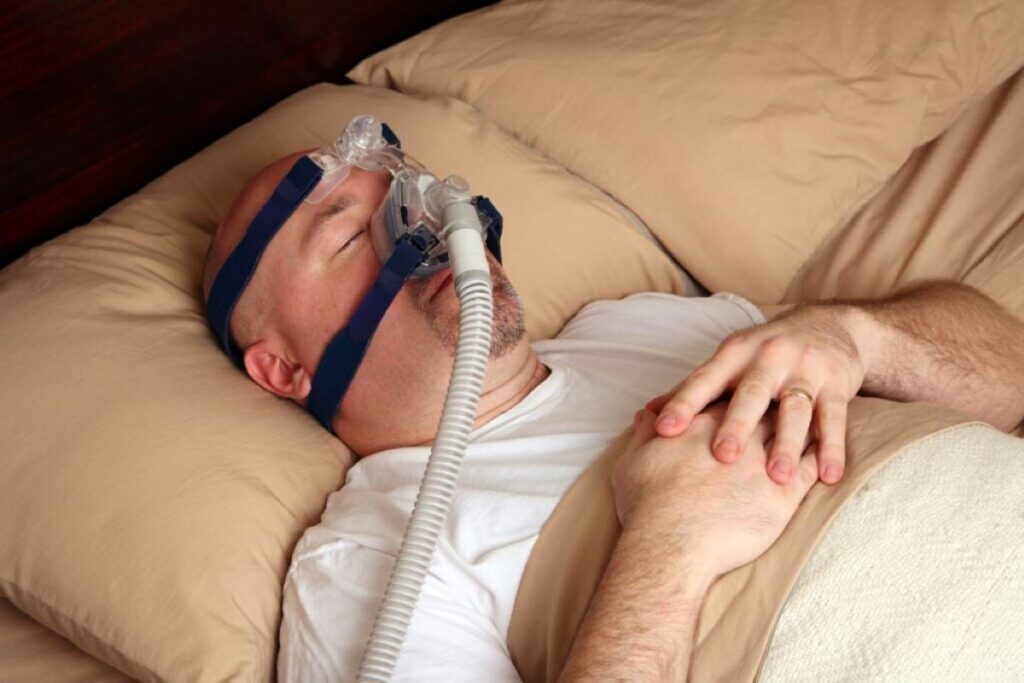
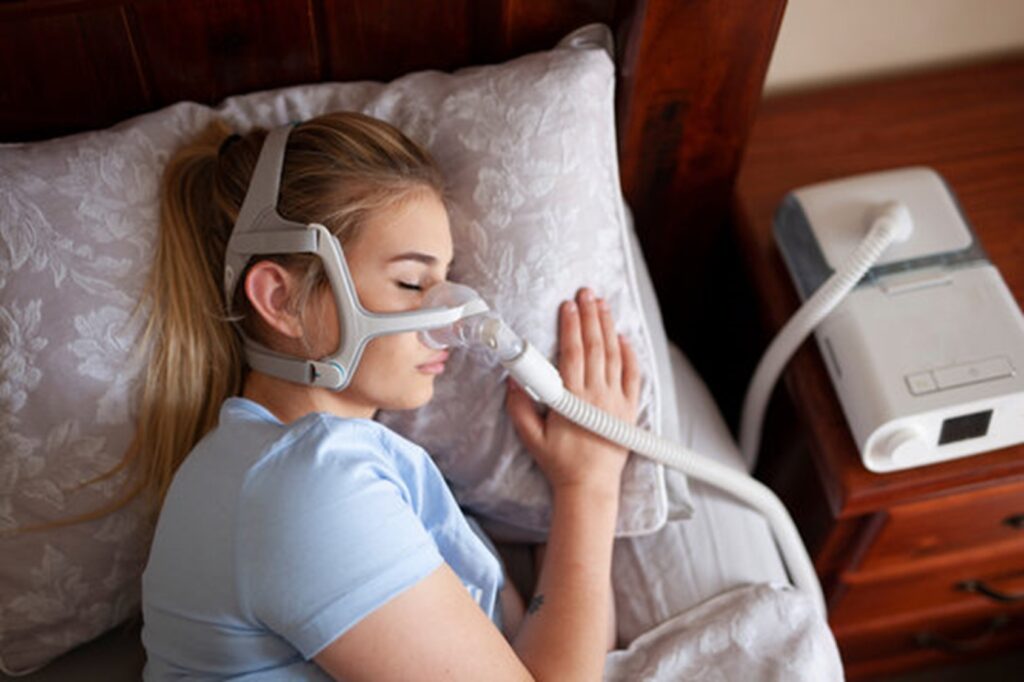
Continuous positive airway pressure (CPAP) therapy is a common treatment for sleep apnea. This therapy involves wearing a mask over the nose and mouth during sleep, which delivers a steady flow of air to keep the airways open. Other treatment options may include oral appliances, lifestyle changes, and in some cases, surgery.

Overview of Sleep Apnea Home Tests

Home sleep apnea tests are an alternative to laboratory-based tests, offering convenience and flexibility for individuals seeking diagnosis and treatment. These tests are becoming increasingly popular, not only for their convenience but also for their accuracy in detecting sleep apnea.

One of the significant advantages of home sleep apnea tests is the ability to monitor individuals in their natural sleeping environment. This can provide healthcare providers with valuable insights into a person’s sleep patterns and behaviors, which may not be fully captured in a clinical setting. Additionally, the comfort of sleeping at home can lead to more accurate results as individuals are more likely to have a typical night’s sleep.

Sleep Apnea Home Test

How Do Home Sleep Apnea Tests Work?

A home sleep apnea test involves the use of portable monitoring devices that measure various parameters during sleep. These devices typically include a nasal cannula to measure airflow, a finger pulse oximeter to monitor oxygen levels in the blood, and a chest strap to determine breathing effort.

Moreover, some advanced home sleep apnea tests also incorporate additional sensors to track body position, snoring levels, and heart rate variability. This comprehensive data collection allows healthcare providers to assess different aspects of sleep quality and identify potential issues beyond just apnea events.

Components of a Home Sleep Apnea Test

The key components of a home sleep apnea test include portable monitoring devices, instructional guides for setup, and data analysis software. These devices are lightweight, comfortable, and easy to use, allowing individuals to sleep in their own beds rather than in a clinical environment.

Furthermore, the data analysis software used in home sleep apnea tests plays a crucial role in interpreting the collected information. This software can generate detailed reports that highlight key metrics such as apnea-hypopnea index (AHI), oxygen desaturation levels, and sleep efficiency. These insights help healthcare providers make informed decisions regarding diagnosis and treatment plans for individuals with suspected sleep apnea.

The Convenience of Home Testing

Home sleep apnea tests offer numerous advantages over traditional clinical testing, making them an attractive option for many individuals. The convenience and comfort of conducting the test at home contribute to increased patient compliance and accurate results.

Furthermore, home testing allows individuals to have a more relaxed and natural sleep environment, which can lead to more accurate detection of sleep apnea and provide valuable insights into their sleep patterns. This personalized setting can help individuals feel more at ease, potentially reducing any anxiety or discomfort often associated with clinical settings.

Advantages of Home Testing Over Clinical Testing

One of the significant advantages of home sleep apnea tests is the ability to mimic a person’s natural sleep environment. This allows for more accurate detection of sleep apnea and provides valuable insights into an individual’s sleep patterns. Additionally, home testing eliminates travel time and reduces costs associated with laboratory-based testing.

Moreover, conducting the test at home offers individuals the flexibility to choose a time that aligns with their natural sleep schedule, potentially leading to more representative results. This flexibility can be especially beneficial for individuals with irregular work hours or those who have difficulty sleeping in unfamiliar environments.

Preparing for a Home Sleep Apnea Test

Prior to conducting a home sleep apnea test, individuals are typically provided with detailed instructions on how to set up the equipment. It is important to follow these instructions carefully to ensure accurate results. Additionally, it is advisable to maintain a regular sleep schedule, avoid caffeine and alcohol before bedtime, and avoid taking naps during the day to obtain optimal results.

Creating a conducive sleep environment by dimming lights, reducing noise levels, and maintaining a comfortable room temperature can also enhance the testing experience and help individuals achieve more restful sleep during the assessment. By following these preparation tips, individuals can maximize the effectiveness of the home sleep apnea test and contribute to obtaining reliable and informative results.

Sleep Apnea Home Test

Accuracy of Sleep Apnea Home Tests

Home sleep apnea tests have been shown to be reliable and accurate in diagnosing sleep apnea. However, several factors can affect the accuracy of test results, and it is important to understand these potential limitations.

Reliability of Home Test Results

The data collected during a home sleep apnea test is analyzed by qualified healthcare professionals to provide an accurate diagnosis. These professionals are trained to interpret the data accurately and make appropriate recommendations for treatment based on the results.

Factors Affecting the Accuracy of Home Tests

While home sleep apnea tests are generally reliable, it is worth noting that certain factors can affect their accuracy. One such factor is poor equipment setup. It is essential to carefully follow the instructions provided to ensure that the equipment is properly installed and calibrated. This will help to ensure accurate data collection and analysis.

Another factor that can impact the accuracy of home sleep apnea tests is sleep disturbances. It is important to create a sleep environment that is as close to your normal routine as possible. Avoiding caffeine and alcohol before bedtime, maintaining a consistent sleep schedule, and ensuring a comfortable sleeping environment can all contribute to more accurate test results.

Additionally, patient non-compliance can also affect the accuracy of home sleep apnea tests. It is crucial to adhere to the instructions provided by the healthcare professional overseeing the test. This includes wearing the equipment for the recommended duration and properly documenting any symptoms or issues that may arise during the testing period.

In conclusion, conducting a sleep apnea home test in Australia offers both convenience and accuracy in detecting this common sleep disorder. With advancements in technology, individuals now have the option to be tested in the comfort of their own homes. Home sleep apnea tests provide an opportunity for early detection and treatment, leading to improved sleep patterns, enhanced quality of life, and reduced health risks associated with sleep apnea.

Furthermore, the convenience and accurate results of home testing contribute to increased patient compliance and overall satisfaction. By eliminating the need for overnight stays in a sleep clinic, home sleep apnea tests offer a more comfortable and accessible alternative. This can encourage more individuals to seek testing and ultimately receive the necessary treatment for sleep apnea.

If you suspect that you or a loved one may have sleep apnea, consulting a healthcare professional and considering a home sleep apnea test is a crucial step towards better sleep health. By addressing this condition early on, you can take proactive measures to improve your sleep quality and overall well-being.

See Also: Sydney Sleep Test for Finding Solutions for Sleep Disorders

Identifying Sleep Disorders: Importance of a Comprehensive Test

Sleep Disorders

Waking up feeling tired and groggy is something we’ve all experienced at some point. But for some, these feelings persist and can significantly impact their daily lives. Sleep disorders are a common problem that affects millions of people worldwide, yet they often go undiagnosed and untreated. Understanding the importance of a comprehensive sleep test is crucial in identifying and managing these disorders effectively.

Understanding Sleep Disorders

Sleep disorders refer to a wide range of conditions that disrupt normal sleep patterns and can adversely affect a person’s overall health and well-being. These disorders can be classified into various types with the help of sleep disorders test, each with its unique characteristics and symptoms. Recognizing the signs and symptoms is essential for accurate diagnosis and appropriate treatment.

Common Types of Sleep Disorders

1. Insomnia:

This condition is characterized by difficulty falling asleep, staying asleep, or both. Individuals with insomnia often feel tired and irritable during the day, impacting their productivity and quality of life.

2. Sleep Apnea:

Sleep apnea is a disorder in which breathing repeatedly stops and starts during sleep. It can lead to daytime sleepiness, fatigue, and an increased risk of other health problems, including cardiovascular diseases.

3. Restless Legs Syndrome (RLS):

RLS causes an uncontrollable urge to move the legs, often accompanied by uncomfortable sensations. This can interfere with sleep and result in daytime drowsiness.

4. Narcolepsy:

Narcolepsy is a neurological disorder that affects the brain’s ability to regulate sleep-wake cycles. People with narcolepsy experience excessive daytime sleepiness and sudden, uncontrollable bouts of sleep.

Symptoms and Signs of Sleep Disorders

The symptoms of sleep disorders can vary widely depending on the specific condition. Common signs include:

  • Difficulty falling asleep or staying asleep
  • Excessive daytime sleepiness
  • Loud snoring
  • Gasping or choking during sleep
  • Restless leg movements
  • Difficulty concentrating

If you experience any of these symptoms regularly, it is important to consult a healthcare professional for an accurate diagnosis.

The Role of Comprehensive Sleep Tests

Comprehensive sleep tests, also known as polysomnography, are diagnostic tools used to evaluate sleep disorders. These tests go beyond self-reporting symptoms and provide objective data that helps healthcare professionals understand the underlying causes of sleep disturbances.

What is a Comprehensive Sleep Test?

A comprehensive sleep test involves monitoring various physiological parameters during sleep. This includes:

  • Brain activity (EEG)
  • Eye movements (EOG)
  • Muscle activity (EMG)
  • Heart rate and rhythm
  • Blood oxygen levels
  • Breathing patterns

All these measurements are conducted in a sleep lab or specialized facility, allowing sleep specialists to analyze and interpret the data accurately.

Identifying Sleep Disorders

Benefits of Comprehensive Sleep Testing

There are several benefits to undergoing a comprehensive sleep test:

  1. Accurate Diagnosis: Comprehensive sleep testing provides objective data, allowing healthcare professionals to accurately identify the type and severity of sleep disorders.
  2. Tailored Treatment Plans: With accurate diagnosis, healthcare professionals can create personalized treatment plans that address the specific needs of individuals with sleep disorders.
  3. Identification of Underlying Health Issues: Sleep disorders are often associated with other medical conditions. Comprehensive sleep testing can help identify potential underlying health issues that may contribute to sleep disturbances.
  4. Monitoring Treatment Efficacy: Following treatment, repeat sleep testing can assess the effectiveness of therapy, guiding adjustments if necessary.

The Process of Sleep Testing

Preparing for a Sleep Test

Prior to the sleep test, it is essential to follow specific guidelines provided by the sleep center. These may include avoiding caffeine and alcohol, adhering to regular sleep schedules, and limiting daytime napping.

On the day of the test, it is advisable to arrive at the sleep center early to allow time for paperwork and to get acclimated to the surroundings.

What to Expect During the Test

Once settled in the sleep center, a technician will apply sensors to various parts of your body to monitor sleep-related activities. These sensors are painless and non-invasive.

Your sleep will be monitored throughout the night, and the technician will be available to address any concerns or discomfort you may have. The goal is to create a comfortable environment that allows for a typical night’s sleep.

Once the test is complete, the collected data will be carefully analyzed by sleep specialists to determine the presence and severity of any sleep disorders.

Interpreting Sleep Test Results

Understanding Your Sleep Test Report

After the sleep test, you will receive a detailed report summarizing the findings. Understanding the information in the report is essential for initiating appropriate treatment and managing your sleep disorder effectively.

Consulting with a sleep specialist will help clarify any questions or concerns you may have.

Identifying Sleep Disorders

Next Steps After Diagnosis

Upon receiving a sleep disorder diagnosis, your healthcare provider will work with you to develop a comprehensive treatment plan tailored to your specific needs. Treatment strategies can vary widely depending on the type and severity of the sleep disorder.

Effective treatment may involve a combination of behavioral and lifestyle changes, including establishing a regular sleep schedule, implementing relaxation techniques, and adopting good sleep hygiene practices.

In some cases, medication or other therapies may be recommended to address specific symptoms or underlying causes of sleep disorders.

Treatment Options for Sleep Disorders

Behavioral and Lifestyle Changes

Behavioral and lifestyle changes are often the first line of treatment for sleep disorders. These may include:

  • Establishing a consistent sleep schedule
  • Creating a sleep-friendly environment
  • Practicing relaxation techniques
  • Avoiding stimulants such as caffeine
  • Engaging in regular physical exercise

Medications and Therapies for Sleep Disorders

In cases where behavioral and lifestyle changes are insufficient, healthcare professionals may recommend medications or therapies to manage sleep disorders. These can assist in improving sleep quality and reducing the severity of symptoms.

Medications used for sleep disorders may include sedatives, hypnotics, or medications that address specific underlying causes. Therapies such as Cognitive Behavioral Therapy for Insomnia (CBT-I) can also be effective in modifying sleep behaviors.

In conclusion, identifying sleep disorders through comprehensive sleep testing plays a crucial role in managing these conditions effectively. By understanding the different types of sleep disorders, recognizing their symptoms, and undergoing accurate diagnosis, individuals can receive appropriate treatment and improve their quality of sleep and overall well-being.

See Also: Sydney Sleep Test for Finding Solutions for Sleep Disorders

Sydney Sleep Test: Finding Solutions for Sleep Disorders

Sydney Sleep Test

Sleep disorders can significantly impact a person’s well-being and quality of life. Sydney Sleep Test is at the forefront of finding solutions to these disorders. By better understanding sleep disorders, identifying them through tests, and interpreting the results, individuals can seek appropriate medical treatments or make lifestyle changes. Furthermore, advancements in sleep disorder research and the role of technology provide hope for the future of treatment.

Understanding Sleep Disorders

Sleep disorders encompass a range of conditions that affect a person’s ability to sleep well consistently. They can disrupt the sleep-wake cycle, leading to sleep deprivation and various health issues and needs sleep test Sydney. Understanding the science behind sleep disorders is essential in finding effective solutions.

Individuals experiencing sleep disorders may also encounter challenges in their daily functioning, such as difficulties concentrating, irritability, and daytime fatigue. These issues can impact work performance, relationships, and overall quality of life. Seeking professional help and support is crucial in managing and improving sleep patterns.

Sydney Sleep Test

The Science Behind Sleep Disorders

Sleep is a complex process regulated by the body’s internal clock, also known as the circadian rhythm. Disruptions to this rhythm can result in difficulty falling asleep, staying asleep, or achieving restorative sleep. Sleep disorders can be caused by various factors, including medical conditions, lifestyle habits, and psychological factors.

Research suggests that genetics may also play a role in the development of certain sleep disorders. Understanding the genetic predispositions to conditions like sleep apnea or narcolepsy can aid in personalized treatment approaches. Additionally, advancements in technology have allowed for innovative sleep monitoring devices that track sleep patterns and provide valuable data for healthcare professionals.

Common Types of Sleep Disorders

There are several types of sleep disorders, each with its unique characteristics and symptoms. Some of the most common sleep disorders include insomnia, sleep apnea, narcolepsy, restless legs syndrome, and circadian rhythm disorders. Recognizing the signs and symptoms of these disorders can help individuals seek appropriate testing and treatment.

Educating oneself about the different types of sleep disorders and their potential impact on overall health is a crucial step in promoting better sleep hygiene. By raising awareness about the importance of sleep quality and seeking early intervention for any sleep-related concerns, individuals can take proactive steps towards improving their well-being and quality of life.

The Importance of Sleep Tests

Sleep tests play a crucial role in identifying and diagnosing sleep disorders. These tests provide valuable data about a person’s sleep patterns, breathing, brain activity, and other factors that can help determine the underlying cause of the sleep disorder.

Getting quality sleep is essential for overall health and well-being. Sleep disorders can have a significant impact on a person’s daily life, leading to fatigue, irritability, and even serious health conditions if left untreated. That’s why undergoing a sleep test is a vital step towards improving sleep quality and overall health.

Identifying Sleep Disorders through Tests

Sleep tests, such as polysomnography and multiple sleep latency testing, are conducted in specialized sleep laboratories. These tests monitor various physiological parameters during sleep, allowing experts to identify abnormal sleep patterns and diagnose specific sleep disorders.

Polysomnography, often referred to as a “sleep study,” records data such as brain waves, oxygen levels in the blood, heart rate, and breathing patterns during sleep. This comprehensive test provides valuable insights into the quality of sleep and helps healthcare providers tailor treatment plans to address specific sleep disorders.

What to Expect from a Sleep Test

Before undergoing a sleep test, individuals may be asked to complete a sleep diary, which helps the sleep specialist assess their sleep patterns. During the test, electrodes are placed on the scalp, face, and other parts of the body to measure brain waves, eye movements, heart rate, and muscle activity. The test is non-invasive and painless, usually conducted overnight.

Patients are encouraged to maintain their regular sleep schedule to ensure accurate test results. The sleep technologist will carefully monitor the data throughout the night to capture any abnormalities or disruptions in the sleep cycle. After the test, the collected data is analyzed by sleep specialists to provide an accurate diagnosis and recommend appropriate treatment options for the individual.

The Sydney Sleep Test Explained

The Sydney Sleep Test is a comprehensive sleep assessment conducted at the renowned Sydney Sleep Center. This test follows a meticulous process, ensuring accurate results and personalized treatment recommendations.

The Process of the Sydney Sleep Test

The Sydney Sleep Test begins with an initial consultation with a sleep specialist to discuss the individual’s sleep concerns, medical history, and lifestyle factors. Based on this information, a tailored sleep test is recommended. The test involves an overnight stay at the sleep center, where the individual’s sleep is monitored using state-of-the-art equipment.

Interpreting the Results of the Sydney Sleep Test

Once the sleep test is completed, the data collected is analyzed by sleep experts. The results provide valuable insights into the individual’s sleep architecture, breathing patterns, and any potential sleep disorders present. Based on these findings, the sleep specialist creates a personalized treatment plan to address the identified sleep issues.

Sydney Sleep Test

Solutions and Treatments for Sleep Disorders

There are various treatments available for sleep disorders, ranging from medical interventions to lifestyle changes. The choice of treatment depends on the type and severity of the sleep disorder.

Medical Treatments for Sleep Disorders

In some cases, medical interventions may be necessary to manage sleep disorders effectively. This may involve medication to regulate sleep patterns, the use of continuous positive airway pressure (CPAP) machines for sleep apnea, or medications to address underlying medical conditions contributing to the sleep disorder.

Lifestyle Changes to Improve Sleep Quality

For many individuals, making lifestyle changes can significantly improve sleep quality and reduce the impact of sleep disorders. This may include maintaining a consistent sleep schedule, creating a relaxing bedtime routine, avoiding stimulants close to bedtime, and creating a sleep-friendly environment.

The Future of Sleep Disorder Treatment

As sleep disorder research continues to advance, promising innovations are on the horizon. These innovations aim to enhance diagnosis, treatment options, and overall management of sleep disorders.

Innovations in Sleep Disorder Research

Ongoing research is shedding light on the underlying mechanisms of sleep disorders and will contribute to the development of more targeted and effective treatments. New studies explore the genetic basis of sleep disorders, the impact of environmental factors, and potential novel therapies.

The Role of Technology in Sleep Disorder Treatment

Technology plays a vital role in sleep disorder management. Innovative devices, such as wearable sleep trackers, smartphone applications, and home sleep apnea tests, offer individuals greater accessibility and convenience in monitoring their sleep patterns and seeking appropriate treatments.In conclusion, understanding sleep disorders, utilizing sleep tests like the Sydney Sleep Test, exploring various treatment options, and embracing advancements in sleep disorder research and technology are key to finding solutions for sleep disorders. With continued efforts in this field, individuals can achieve restful nights and improve their overall health and well-being.

See Also: Conducting a Sleep Apnea Home Test in Australia

Breathing Easy: Choosing the Right CPAP Masks for Optimal Comfort

CPAP Masks

In the realm of sleep apnea treatment, CPAP masks play a crucial role in ensuring optimal comfort and effective therapy. Sleep apnea is a sleep disorder characterized by pauses in breathing or shallow breaths during sleep. CPAP, or continuous positive airway pressure, therapy involves the use of a machine that delivers a steady flow of air pressure through a mask, keeping the airway open and allowing for uninhibited breathing. While the CPAP machine itself is important, choosing the right CPAP mask is equally vital for a successful treatment experience.

Understanding the Role of CPAP Masks

CPAP masks act as the interface between the machine and the user, delivering pressurized air directly into the airway. They are designed to fit securely and comfortably on the face, ensuring an airtight seal and minimizing leakage. The mask’s primary function is to provide a constant flow of air throughout the night, enabling uninterrupted breathing and reducing the risk of sleep disturbances caused by sleep apnea episodes.

When it comes to buy cpap mask online, there are various options available to cater to individual preferences and needs. Some masks cover the nose, while others cover the nose and mouth. There are also masks that fit directly into the nostrils, known as nasal pillows. Each type of mask has its own advantages and considerations, and it’s important to find the one that suits you best.

One of the key factors to consider when choosing a CPAP mask is the fit. A proper fit is crucial for effective therapy, as it ensures that the pressurized air is delivered precisely to the airway. Ill-fitting masks can result in air leaks, which not only reduce the therapy’s effectiveness but can also cause discomfort and disrupt sleep. To achieve a good fit, CPAP masks often come with adjustable straps and headgear, allowing users to customize the fit according to their facial structure and comfort level.

CPAP Masks

The Importance of CPAP Therapy

Sleep apnea is a serious condition that can lead to various health issues if left untreated. These include excessive daytime sleepiness, fatigue, mood disturbances, and an increased risk of cardiovascular disease. CPAP therapy is considered the gold standard treatment for sleep apnea, providing consistent air pressure to keep the airway open and preventing apnea episodes during sleep.

By using a CPAP machine and mask, individuals with sleep apnea can experience significant improvements in their quality of life. The therapy not only helps alleviate the symptoms associated with sleep apnea but also reduces the risk of developing other health complications. Consistent use of CPAP therapy can lead to increased energy levels, improved cognitive function, and better overall well-being.

How CPAP Masks Aid in Sleep Apnea Treatment

CPAP masks play a crucial role in sleep apnea treatment by ensuring that the pressurized air delivered by the machine is effectively transmitted to the user’s airway. Their design and fit are pivotal in maintaining a good mask seal and preventing air leaks, which can diminish the therapy’s efficacy.

Moreover, CPAP masks are not only functional but also comfortable. The comfort of the mask is essential for user compliance, as individuals are more likely to adhere to the treatment regimen if they find the mask pleasant to wear. Manufacturers have made significant advancements in mask technology, incorporating features such as soft cushioning, adjustable headgear, and lightweight materials to enhance comfort during sleep.

Additionally, CPAP masks are designed with user convenience in mind. Many masks have quick-release mechanisms that allow users to easily remove or put on the mask, making nighttime bathroom trips or other interruptions more manageable. Some masks also have built-in exhalation ports that minimize noise, ensuring a quiet and peaceful sleep environment for both the user and their bed partner.

Overall, CPAP masks are an integral part of sleep apnea treatment, working hand in hand with the CPAP machine to provide effective therapy. By choosing a mask that fits well, promotes comfort, and meets individual needs, users can maximize the benefits of CPAP therapy and enjoy restful, uninterrupted sleep.

Factors to Consider When Choosing a CPAP Mask

When selecting a CPAP mask, several factors come into play to ensure both optimal comfort and ease of use. These include considerations such as comfort and fitmask types and their differencesmaterial and durability, and additional features. By understanding these factors, users can make informed decisions when choosing a CPAP mask that suits their individual needs.

Comfort and Fit

Comfort and fit are vital aspects of CPAP therapy. A well-fitting mask should create a reliable seal without causing discomfort or pressure points on the face. Various types of masks are available, such as nasal masks, full-face masks, and nasal pillow masks, each offering different levels of comfort and fit. It is important to try different masks and seek professional guidance to find the one that provides the best balance between a secure fit and overall comfort.

Furthermore, comfort can be enhanced by considering additional features such as adjustable headgear straps, cushion materials, and forehead supports. These features allow users to customize the fit of the mask, ensuring a comfortable and personalized experience during CPAP therapy.

Mask Types and Their Differences

CPAP masks come in different types, each designed to suit various preferences and needs. Nasal masks cover the nose and are a popular choice for users who breathe primarily through their nose. They are lightweight and provide a secure seal, making them suitable for individuals who move around during sleep.

Full-face masks cover both the nose and mouth, making them suitable for those who breathe through their mouth or have nasal obstructions. These masks ensure a constant flow of air, preventing air leaks and maintaining effective therapy. Additionally, full-face masks often come with features like integrated chin straps to provide extra stability and prevent mouth breathing.

Nasal pillow masks, on the other hand, rest just inside the user’s nostrils and are an option for individuals who prefer a minimalistic design while maintaining an open field of vision. These masks are lightweight, compact, and offer a high level of comfort, making them an excellent choice for users who feel claustrophobic with traditional masks.

CPAP Masks

Material and Durability

The material and durability of CPAP masks greatly affect their overall performance and lifespan. Quality masks are typically made from hypoallergenic materials that are soft, comfortable, and easy to clean. These materials help prevent skin irritation and ensure a pleasant experience during CPAP therapy.

In addition to material, durability is an essential factor to consider when choosing a CPAP mask. A durable mask can withstand regular use and cleaning without losing its shape or effectiveness. Masks with reinforced seams and sturdy construction are more likely to last longer, providing users with a cost-effective solution for their sleep apnea treatment.

Moreover, some masks are designed with replaceable parts, such as cushions and headgear, which can extend the lifespan of the mask and reduce long-term costs. It is important to consider the availability and affordability of replacement parts when selecting a CPAP mask.

Additional Features

Aside from comfort, fit, mask types, and material, CPAP masks may offer additional features that can enhance the overall therapy experience. These features can include built-in exhalation ports to reduce noise, anti-asphyxia valves to ensure safety, and compatibility with humidifiers to provide added moisture during therapy.

Furthermore, some masks incorporate innovative technologies like magnetic clips for easy attachment and detachment, quick-release headgear for convenient removal, and advanced venting systems to minimize air turbulence and promote a quiet sleep environment.

By considering these additional features, users can further personalize their CPAP therapy and optimize their comfort and satisfaction with the chosen mask.

Tips for Achieving Optimal Comfort with CPAP Masks

While selecting the right CPAP mask is crucial, there are additional steps users can take to enhance comfort and overall experience with their mask:

Using a CPAP mask is a significant step towards improving sleep apnea symptoms and ensuring a restful night’s sleep. However, it is essential to prioritize comfort to maximize the benefits of this therapy. Here are some additional tips to help you achieve optimal comfort with your CPAP mask:

Proper Cleaning and Maintenance

Maintaining good hygiene and regularly cleaning the mask is essential for preventing bacterial growth and maintaining a comfortable fit. Following the manufacturer’s guidelines for cleaning and replacing mask components ensures that the mask remains in optimal condition.

When it comes to cleaning your CPAP mask, it is recommended to use mild, fragrance-free soap and warm water. Gently scrub the mask components, including the cushion, headgear, and straps, to remove any dirt or oils that may have accumulated. Thoroughly rinse the mask and allow it to air dry before using it again.

Additionally, it is crucial to replace the mask components as recommended by the manufacturer. Over time, the elasticity of mask components may deteriorate, resulting in compromised fit and increased leakage. Regularly replacing worn-out parts, such as cushions, headgear, and straps, helps ensure a secure and comfortable fit, enhancing the overall treatment experience.

CPAP Masks

Adjusting to Wearing a CPAP Mask

Wearing a CPAP mask may initially feel unfamiliar and uncomfortable. To help with the adjustment process, it can be beneficial to use the mask during daytime naps or while engaged in relaxing activities. Gradually increasing the duration of nightly usage can aid in getting accustomed to wearing the mask and promote a more restful night’s sleep.

During the adjustment period, it is normal to experience some discomfort or claustrophobic sensations. To alleviate these feelings, try practicing relaxation techniques, such as deep breathing or meditation, while wearing the mask. This can help distract your mind and promote a sense of calmness.

Another helpful tip is to ensure that the mask is properly fitted. A well-fitted mask should create a seal without causing excessive pressure or discomfort. Adjust the straps and headgear to find the perfect balance between a secure fit and comfort. If you are unsure about the fit, consult with your healthcare provider or a CPAP mask specialist for guidance.

It is also worth noting that using a CPAP machine with a built-in humidifier can contribute to overall comfort. The humidifier adds moisture to the air, reducing dryness and irritation that may occur with continuous airflow. Experiment with different humidity settings to find the level that works best for you.

Remember, achieving optimal comfort with your CPAP mask is a journey that may require some trial and error. Be patient with yourself and give yourself time to adapt. With proper cleaning, regular maintenance, and a commitment to the adjustment process, you can experience the full benefits of CPAP therapy while enjoying a comfortable and restorative sleep.

Overcoming Common CPAP Mask Problems

Dealing with Mask Leaks

Mask leaks can disrupt sleep and diminish the effectiveness of CPAP therapy. Thankfully, there are ways to address this common issue. Checking the mask’s fit and adjusting the headgear straps can often resolve minor leaks. If persistent leaks occur, it may be necessary to try a different type or size of mask to achieve a better seal.

Managing Skin Irritation

Some individuals may experience skin irritation or pressure sores from prolonged mask usage. To prevent or minimize these issues, it is important to keep the mask clean and ensure a proper fit. Applying a hypoallergenic barrier cream or using mask liners made from soft materials can also help alleviate skin discomfort.

Addressing Noise Issues

CPAP machines and masks can produce noise during operation, which may disrupt sleep for both the user and their partner. Seeking masks with noise reduction features or utilizing white noise machines can help mask any unwanted sounds, promoting a quieter and more restful sleep environment.

In conclusion, choosing the right CPAP mask is crucial for achieving optimal comfort and effective sleep apnea therapy. Understanding the role of CPAP masks, considering factors such as comfort and fit, mask types, and material durability, and following practical tips for achieving comfort can greatly enhance the treatment experience. By addressing common CPAP mask problems such as leaks, skin irritation, and noise, users can ensure uninterrupted therapy and breathe easy as they embark on their journey towards a good night’s sleep.

Related: A Comprehensive Guide to ResMed Masks for CPAP Therapy

A Comprehensive Guide to ResMed Masks for CPAP Therapy

ResMed Masks

CPAP therapy is a common and effective treatment for sleep apnea, a condition characterized by pauses in breathing during sleep. ResMed masks play a crucial role in delivering continuous positive airway pressure (CPAP) to ensure a restful and uninterrupted sleep. In this comprehensive guide, we will explore the different types of ResMed masks, their features, and provide valuable insights into selecting the right mask for your CPAP therapy.

Introduction to ResMed Masks

A good CPAP mask is essential for the success of your therapy. It should offer comfort, a secure fit, and be easy to clean. ResMed, a leading manufacturer of sleep apnea equipment, offers a wide range of high-quality resmed masks tailored to meet individual needs.

The Importance of a Good CPAP Mask

A well-fitting CPAP mask is crucial for effective therapy. It ensures the proper delivery of pressurized air and prevents air leaks that may disrupt your sleep. In addition to these functional aspects, a comfortable mask also increases compliance, allowing you to consistently use your CPAP machine throughout the night.

When it comes to choosing a CPAP mask, there are several factors to consider. The size and shape of your face, your sleeping position, and even your personal preferences all play a role in determining the right mask for you. ResMed understands the importance of these factors and has designed their masks with these considerations in mind. Click here to analyze the technology behind resmed airsense 10’s efficacy.

Why Choose ResMed Masks

ResMed masks are known for their innovative design, exceptional comfort, and superior performance. With years of research and development, ResMed has perfected their mask designs to cater to different sleeping styles, facial structures, and personal preferences.

One of the key features of ResMed masks is their advanced cushion technology. The cushions are made from high-quality materials that provide a soft and comfortable seal against your face. This ensures a secure fit and minimizes air leaks, allowing you to receive the full benefits of your CPAP therapy.

ResMed Masks

ResMed also offers a variety of mask styles to suit different needs. Whether you prefer a nasal mask, nasal pillow mask, or a full face mask, ResMed has you covered. Their masks are designed to be lightweight and non-intrusive, allowing you to sleep comfortably without feeling restricted.

In addition to comfort and performance, ResMed masks are also easy to clean and maintain. They are made from durable materials that can withstand regular cleaning without losing their shape or effectiveness. This makes it easier for you to keep your mask clean and hygienic, ensuring a healthy and safe therapy experience.

When you choose a ResMed mask, you can have confidence in the quality and reliability of the product. ResMed is a trusted brand in the sleep apnea community, and their masks are backed by extensive research and testing. By choosing ResMed, you are choosing a mask that is designed to provide you with the best possible therapy experience.

Now, let’s explore the various types of ResMed masks available, so you can find the perfect fit for your needs.

Types of ResMed Masks

When it comes to choosing a mask for your sleep therapy, ResMed understands that one size does not fit all. That’s why they offer a comprehensive selection of masks to cater to diverse user needs. Whether you prefer a full face mask, nasal mask, or nasal pillow mask, ResMed has a solution that will meet your specific requirements.

Full Face ResMed Masks

For those who breathe through their mouth or experience frequent nasal congestion, ResMed’s full face masks are the perfect choice. These masks cover both the nose and mouth, ensuring that you receive the necessary airflow without any obstructions. ResMed’s full face masks are designed with exceptional comfort in mind, providing a secure fit that allows you to sleep peacefully throughout the night. With features like adjustable headgear and cushioning, you can customize the fit to suit your preferences and enjoy a positive therapy experience.

Nasal ResMed Masks

If you primarily breathe through your nose, ResMed’s nasal masks are an excellent option. These masks cover only the nose, allowing for a more natural breathing experience. ResMed’s nasal masks are designed with a lightweight and compact design, making them comfortable to wear throughout the night. With a wide range of sizes available, you can find the perfect fit that accommodates your facial profile and ensures optimal performance. Whether you have a narrow or wide nose, ResMed has a nasal mask that will provide a secure seal and deliver the therapy you need.

Nasal Pillow ResMed Masks

For those who prefer a minimalistic mask that allows for minimal contact with the face, ResMed’s nasal pillow masks are the ideal choice. These masks feature small cushion inserts that seal around the nostrils, providing a secure and comfortable fit. ResMed’s nasal pillow masks are the smallest and lightest option available, making them perfect for individuals who want a mask that is unobtrusive and easy to use. With adjustable headgear and cushioning, you can personalize the fit to ensure maximum comfort and effectiveness.

Choosing the right mask is crucial for a successful sleep therapy experience. ResMed’s wide range of masks ensures that you can find the perfect fit for your individual needs. Whether you require a full face mask, nasal mask, or nasal pillow mask, ResMed has you covered. Rest assured knowing that with ResMed’s masks, you can enjoy a comfortable and effective sleep therapy experience, night after night.

Features of ResMed Masks

ResMed masks not only come in various styles but also offer a range of features that enhance comfort and ease of use. Let’s explore some of these features in more detail.

Comfort and Fit

ResMed understands that comfort plays a significant role in CPAP therapy compliance. Their masks are designed with soft and breathable materials to minimize skin irritation and ensure a comfortable fit throughout the night. Additionally, adjustable headgear and cushion sizes allow users to find the perfect fit for their unique facial structure.

Noise Level

ResMed masks are engineered to minimize noise levels, ensuring a quiet and peaceful sleep environment. Advanced venting systems and whisper-quiet motors contribute to a peaceful night’s sleep for both the user and their sleeping partner.

Ease of Cleaning

Cleanliness is vital when it comes to CPAP therapy. ResMed masks are designed with ease of cleaning in mind. Most masks feature detachable components that can be quickly disassembled for thorough cleaning. It is recommended to clean your mask daily to maintain optimal hygiene.

Selecting the Right ResMed Mask

Selecting the right ResMed mask is crucial for a comfortable and effective therapy experience. Consider the following factors when choosing your mask:

Considerations for Choosing Your Mask

  • Sleeping position: Are you a back, side, or stomach sleeper?
  • Breathing patterns: Do you primarily breathe through your nose or mouth?
  • Facial structure: Are you prone to facial pressure points or have unique facial features?

By considering these factors, you can narrow down your options and select the ResMed mask that best suits your individual needs. It is also helpful to consult with a sleep specialist or a respiratory therapist for guidance.

Fitting Your ResMed Mask

Once you have chosen your ResMed mask, proper fitting is essential for optimal comfort and therapy delivery. Follow the manufacturer’s instructions carefully or consult with a healthcare professional who can guide you through the fitting process. Regularly check for air leaks and ensure that the mask stays securely in place throughout the night.

In conclusion, ResMed masks offer a wide range of options to ensure a comfortable and effective CPAP therapy experience. By understanding the different types of masks available, their features, and considering individual needs, you can select the perfect ResMed mask that will help you sleep peacefully and improve your overall quality of life.