Category Sleep Test Sydney

Everything You Need to Know Before Getting Sleep Testing

sleep testing sydney

What Is Sleep Testing and Why Is It Done?

Sleep testing is a diagnostic procedure that monitors your body’s functions during sleep to identify sleep disorders. HealPolysomnography is considered the gold standard in sleep testing Sydney. This comprehensive overnight assessment records multiple body systems at the same time, including brain activity, heart rhythm, breathing patterns, muscle movements, and blood oxygen levels. The detailed data creates a complete picture of your sleep architecture and uncovers abnormalities that may not be detected through routine examinations.

Through sleep testing Sydney, clinicians can diagnose a wide range of sleep disorders, including:

  • Obstructive sleep apnea: Repeated breathing interruptions caused by airway blockage
  • Narcolepsy: Excessive daytime sleepiness and sudden sleep attacks
  • REM sleep behavior disorder: Physical movement and actions during dreaming
  • Periodic limb movement disorder: Repetitive arm or leg movements throughout sleep
  • Insomnia: Ongoing difficulty falling asleep or staying asleep

Identifying sleep cycle disruptions is critical for long-term health. Poor sleep quality is linked to cardiovascular disease, diabetes, depression, weakened immune function, and cognitive decline. When left untreated, sleep disorders can worsen existing conditions and lead to new health concerns. Accurate diagnosis through sleep testing Sydney enables healthcare professionals to create targeted treatment plans that restore restorative sleep and support overall wellbeing.

How Should Patients Prepare for a Sleep Study?

Proper sleep study preparation begins 24 hours before your scheduled appointment. Avoid consuming caffeine in any form—coffee, tea, energy drinks, chocolate, or certain medications—as these substances can significantly alter your natural sleep patterns and compromise the accuracy of your test results. Alcohol should also be eliminated from your routine, as it affects sleep architecture and can mask or exaggerate certain sleep disorders.

Why is staying awake during the day so critical?

Resisting the urge to nap on your test day ensures you’ll be genuinely tired when it’s time for the study. Taking even a short nap can reduce your sleep drive, making it harder to fall asleep in an unfamiliar environment with sensors attached. This delay or difficulty sleeping can result in insufficient data collection, potentially requiring you to repeat the entire study.

What grooming steps should you follow?

Wash your hair thoroughly on the day of your sleep study, but skip all styling products. Hair gels, oils, sprays, conditioners, and leave-in treatments create a barrier between your scalp and the electrodes that measure brain activity. Clean, product-free hair allows sensors to make proper contact with your skin, ensuring clear signal transmission throughout the night.

How should you handle your medications?

Contact your healthcare provider well before your scheduled study to discuss medication adjustments. Some medications can interfere with sleep patterns or mask symptoms your doctor needs to observe. Your provider may ask you to:

  • Temporarily discontinue certain sleep aids or sedatives
  • Adjust the timing of medications that affect alertness
  • Continue taking essential medications for chronic conditions
  • Bring a complete list of all prescriptions, over-the-counter drugs, and supplements

What should you bring to the sleep center?

Pack comfortable, loose-fitting sleepwear that allows easy access for sensor placement. Bring your regular bedtime items like reading materials or a book, though electronic devices may be restricted. If you wear glasses or contact lenses, bring appropriate storage cases. Consider packing toiletries for your morning routine, as most sleep centers have shower facilities available after your study concludes.

Should you maintain your normal routine?

Stick to your typical daily schedule as much as possible. Eat regular meals at your

What Happens During a Sleep Study?

The Sleep Study Procedure

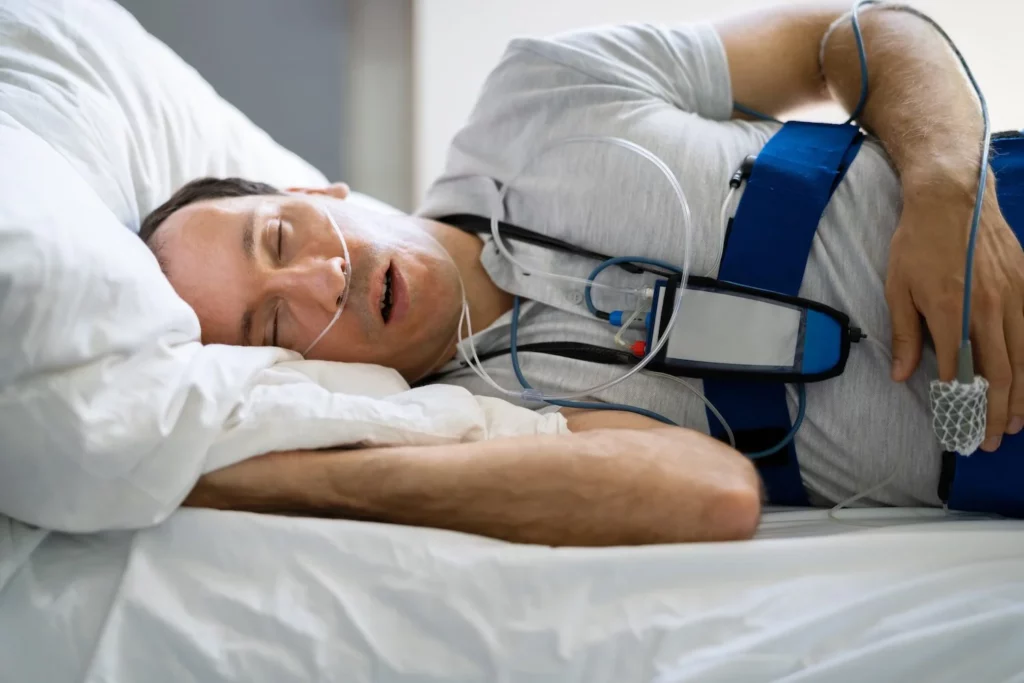
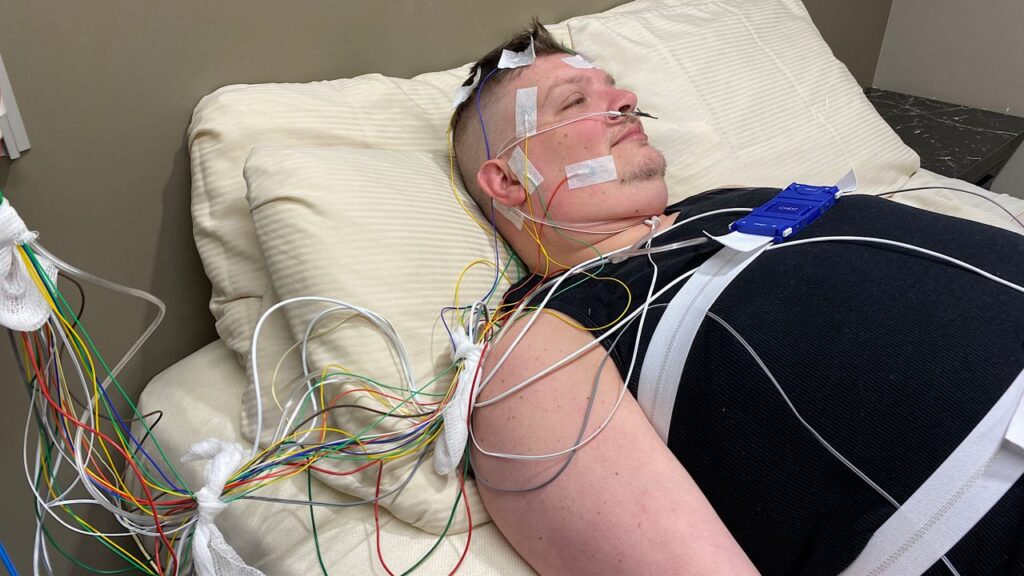
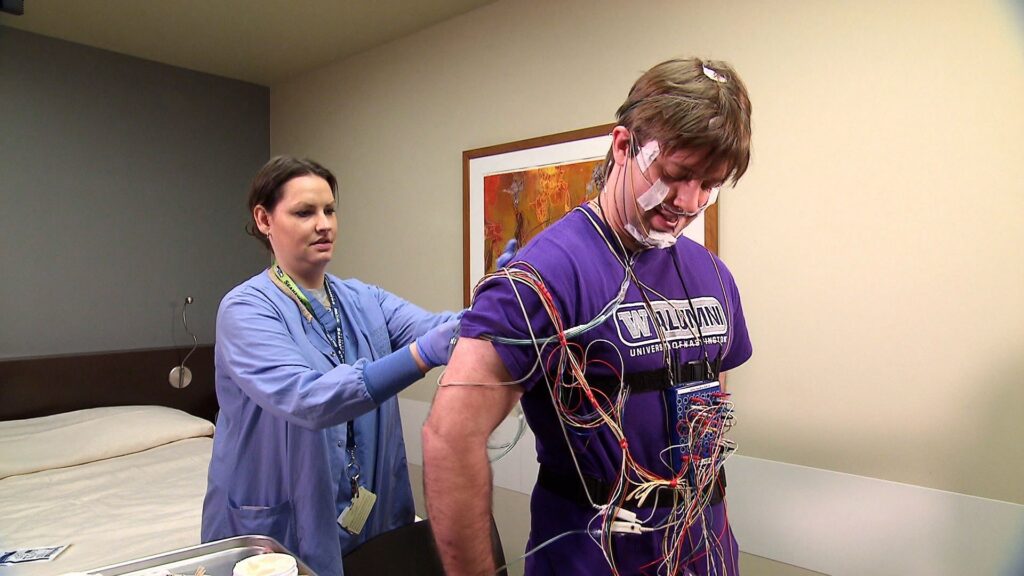
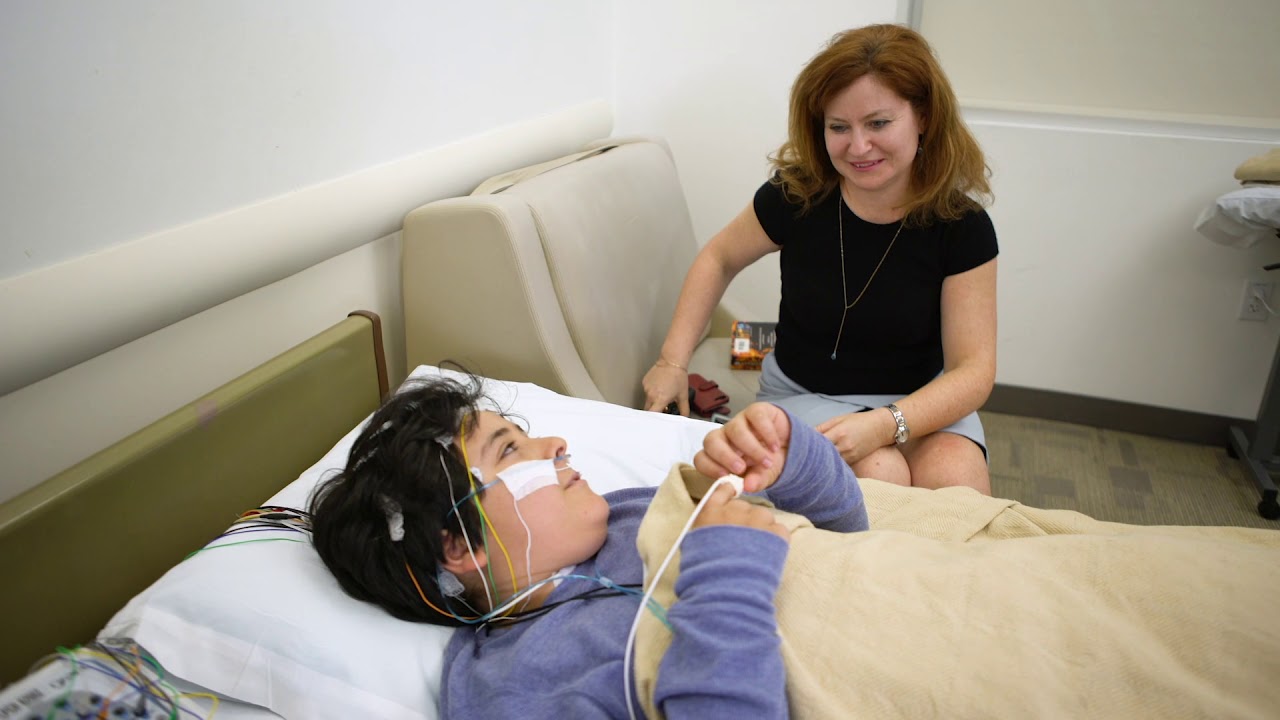
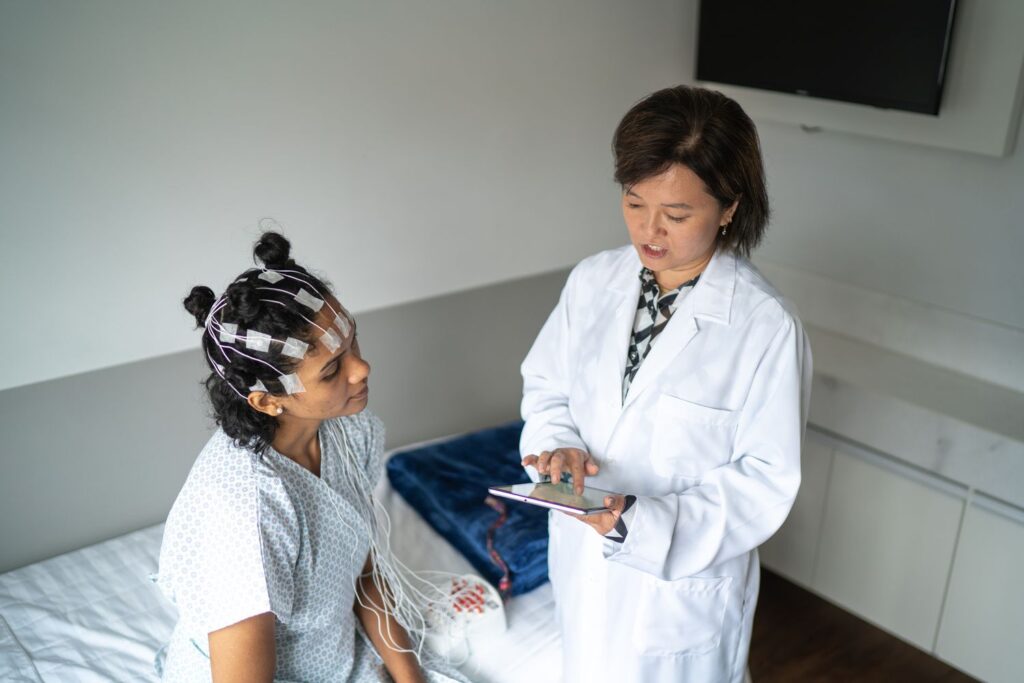
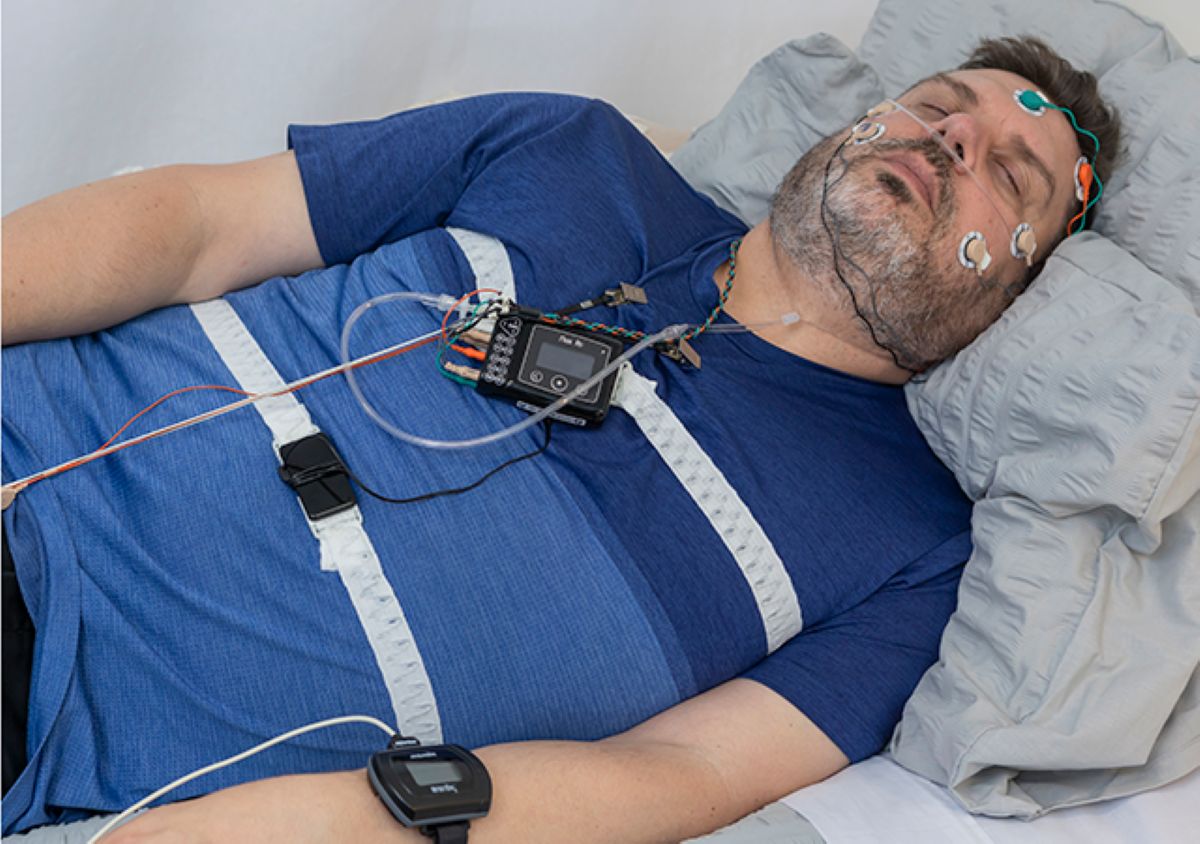
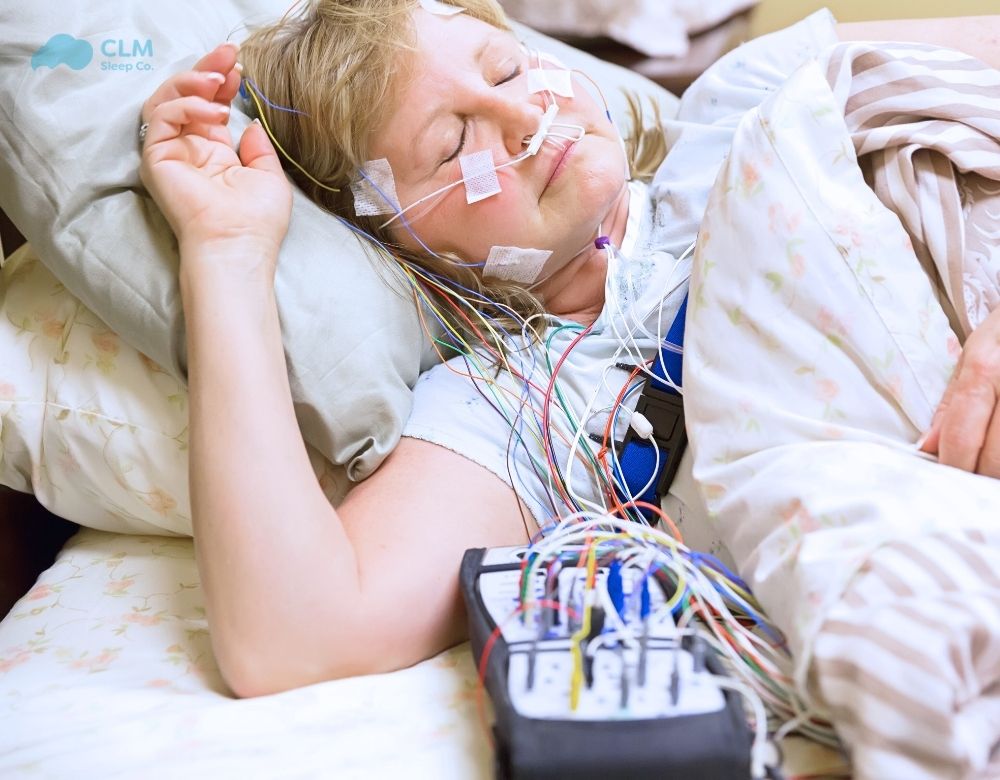
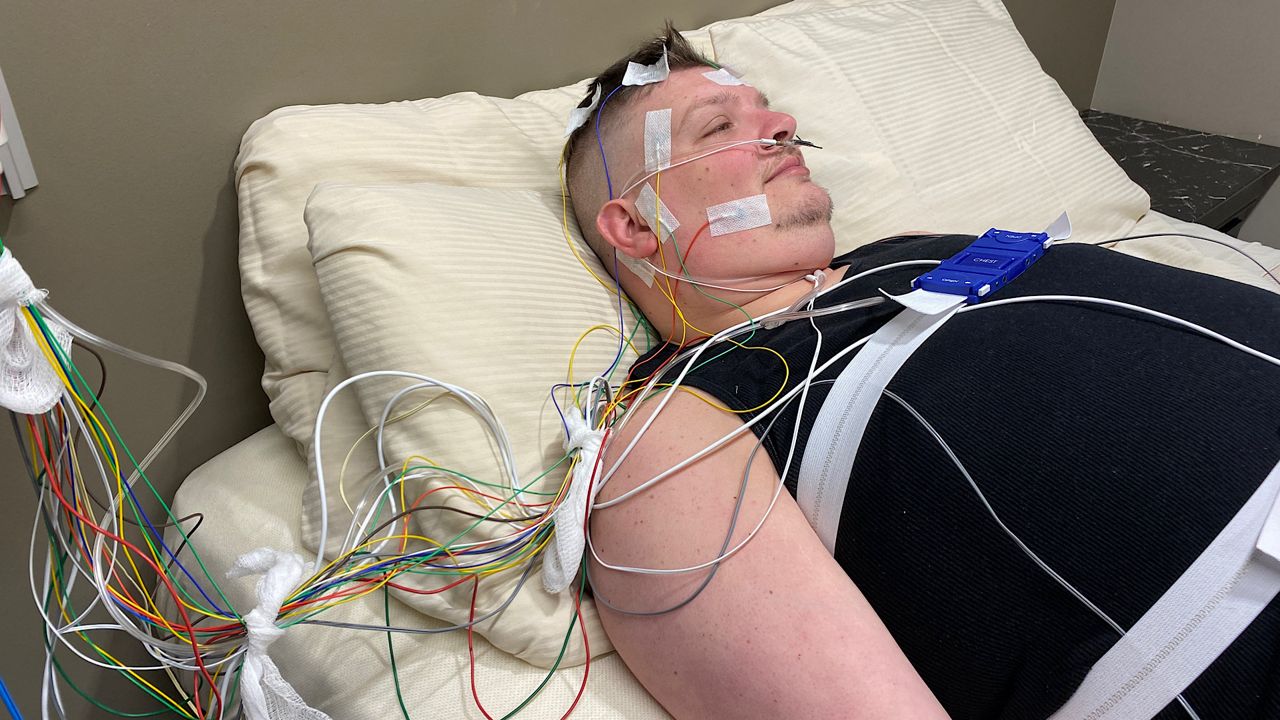
The sleep study procedure begins with a technologist carefully placing sensors on specific areas of your body using adhesive pads or medical tape. Electrodes are positioned on your scalp to record brain waves (EEG), on your chest to track heart rhythm (EKG), on your chin and legs to measure muscle tone (EMG), and near your eyes to detect eye movements (EOG). A pulse oximeter clips onto your finger to monitor oxygen levels throughout the night, while elastic belts wrap around your chest and abdomen to measure breathing effort.

Sensor attachment takes approximately 30 to 45 minutes to complete. The technologist ensures each electrode makes proper contact with your skin, sometimes using a gentle abrasive to improve signal quality. Wires from all sensors connect to a central recording device, though they’re arranged to allow natural movement during sleep. You can turn over, adjust your position, and sleep in your preferred posture without compromising data collection.

The Monitoring Environment

Sleep study rooms are designed to mirror comfortable hotel accommodations rather than clinical spaces. Each room typically features:

  • A regular bed with quality linens and pillows
  • Adjustable lighting and temperature controls
  • A private bathroom
  • Minimal medical equipment visible to reduce anxiety
  • Dim lighting options for those who prefer not sleeping in complete darkness

Overnight Monitoring Process

Once sensors are in place and you’re settled in bed, overnight monitoring begins. A trained technologist observes your sleep from an adjacent control room using video feeds and real-time data from the sensors. They watch for technical issues like loose electrodes and can enter your room if adjustments are needed. Two-way audio systems allow you to communicate with staff throughout the night without getting out of bed.

The sensors work together to create a comprehensive picture of your sleep architecture. Brain wave patterns reveal which sleep stage you’re in at any moment, while respiratory sensors detect breathing pauses or shallow breathing. Heart rate monitors identify irregular rhythms that may correlate with breathing disruptions, and the pulse oximeter tracks how these events affect blood oxygen levels.

Most patients sleep for six to seven hours during the study, providing sufficient data for accurate analysis. The technologist continues recording until morning, capturing multiple complete sleep cycles that include both REM and non-REM

What Types of Sleep Tests Are Available?

There are three main types of sleep studies, each designed to evaluate different aspects of sleep disorders. The choice depends on your symptoms, suspected condition, and medical history.

1. Overnight Polysomnography

Overnight in-lab polysomnography is considered the gold standard among types of sleep studies. This comprehensive test takes place in a specialized sleep center where technologists monitor you throughout the entire night. The test captures detailed data across multiple body systems simultaneously:

  • brain wave patterns
  • heart rhythm
  • breathing effort
  • oxygen saturation
  • muscle activity
  • eye movements
  • body position changes

In-lab testing provides the most complete picture of your sleep architecture. Technologists can observe you directly through video monitoring and respond immediately if sensors become dislodged or if you need assistance. This real-time supervision ensures high-quality data collection that might be compromised in an unsupervised setting.

The controlled environment allows for detection of complex sleep disorders beyond breathing problems. Conditions like REM sleep behavior disorder, periodic limb movement disorder, and unusual parasomnias require the extensive monitoring capabilities only available through full polysomnography.

2. Home Sleep Apnea Test

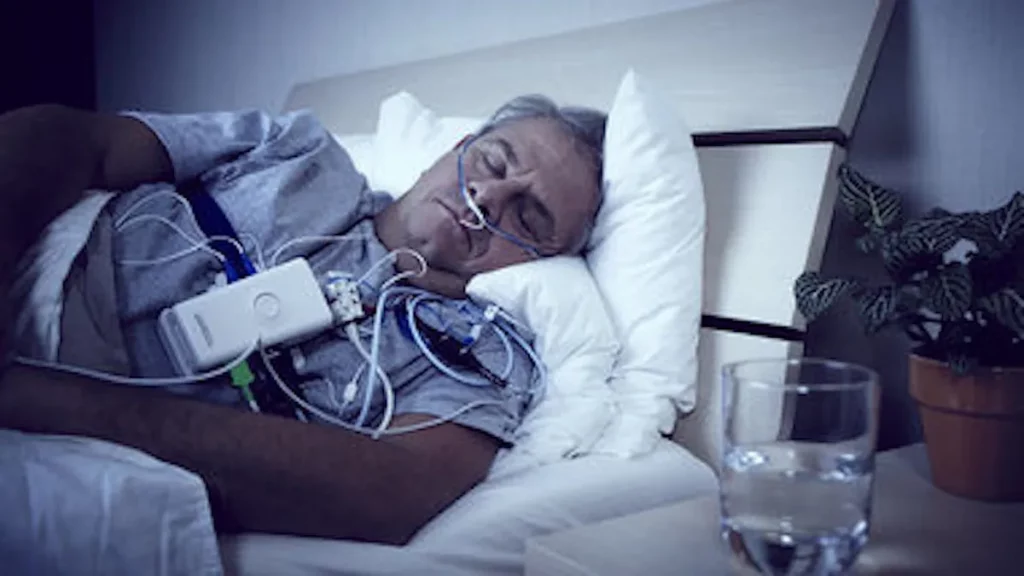
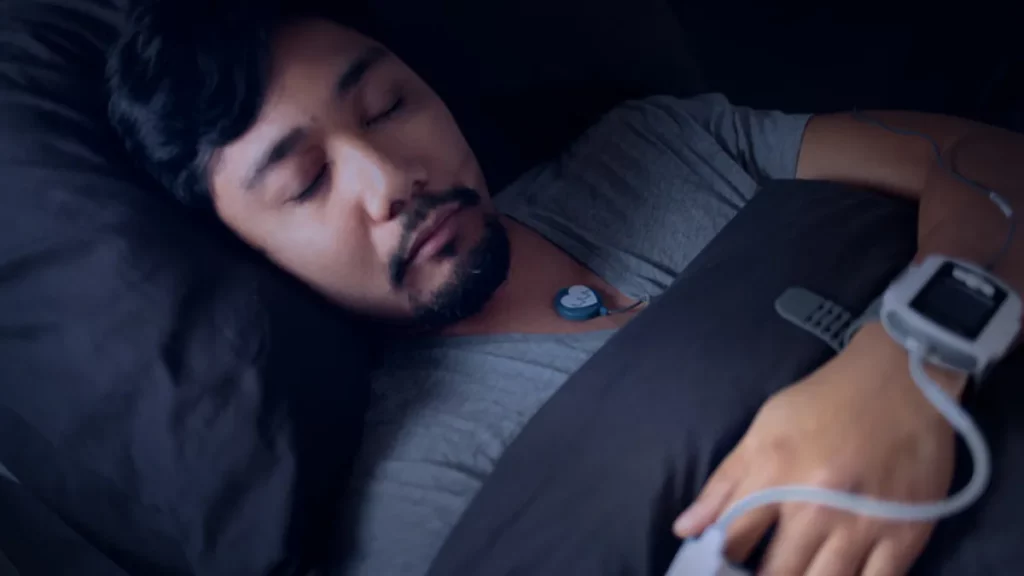
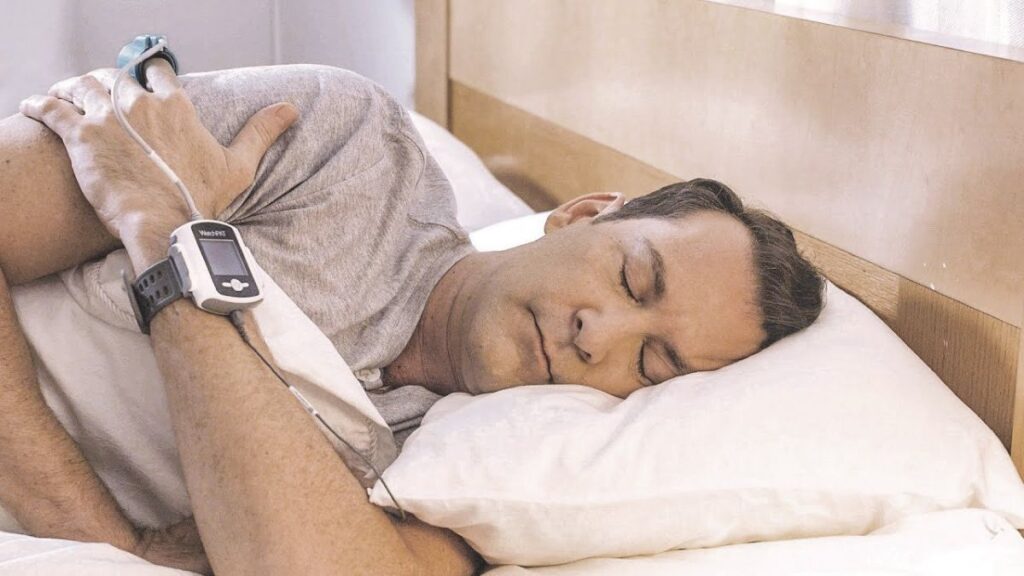
A home sleep apnea test offers a simplified alternative for patients with suspected obstructive sleep apnea. These portable devices focus primarily on respiratory measurements:

  1. airflow
  2. breathing effort through chest and abdominal belts
  3. oxygen levels via pulse oximetry
  4. sometimes heart rate and body position

Home testing provides convenience and lower cost compared to in-lab studies. You sleep in your own bed following your normal routine, which some patients find more comfortable than a clinical setting. The device arrives at your home with instructions for self-application, though some facilities offer brief training sessions.

This option works best for patients with clear symptoms of sleep apnea without complicating medical conditions. Home tests cannot diagnose sleep disorders unrelated to breathing, such as narcolepsy, restless legs syndrome, or insomnia. The limited sensor array means certain data points remain unmeasured.

3. Multiple Sleep Latency Test(MSLT)

The Multiple Sleep Latency Test serves a specialized purpose in evaluating excessive daytime sleepiness and narcolepsy. This daytime procedure follows an overnight sleep study and measures how quickly you fall asleep during scheduled nap opportunities

What Are the Risks or Discomforts Associated with Sleep Testing?

Sleep studies carry minimal medical risks and are considered safe diagnostic procedures. The most common issue patients encounter is mild sensor irritation from the adhesive pads that hold electrodes in place throughout the night.

The adhesive used to attach sensors may cause temporary redness or slight skin sensitivity, particularly for individuals with sensitive skin or allergies to certain adhesives. This irritation typically resolves within a few hours after sensor removal and rarely requires any treatment beyond basic skin care.

Physical discomfort represents another consideration, though it’s generally manageable. Patients often report an initial adjustment period as they become accustomed to:

  • Multiple wires connected to various body parts
  • Elastic belts positioned around the chest and abdomen
  • A pulse oximeter clip attached to a finger
  • Electrodes placed on the scalp, face, and legs

The sensation of being “tethered” to monitoring equipment can feel restrictive at first. Some patients find it challenging to move naturally or shift sleeping positions with sensors attached. The wires provide enough slack for normal movement, yet the awareness of being connected to equipment may prevent some individuals from achieving their typical sleep quality.

Sleeping in an unfamiliar environment adds another layer of discomfort. Despite sleep labs designing rooms to resemble comfortable hotel accommodations, many patients struggle to fall asleep as easily as they would at home. The knowledge that technologists are monitoring their sleep from another room, combined with the clinical setting, can create mild anxiety that affects sleep onset.

Claustrophobic feelings may arise if nasal cannulas or other breathing monitoring devices are required during the study. These devices rest near or in the nostrils to measure airflow, which some patients find bothersome or intrusive.

Sleep study risks remain exceptionally low compared to other medical procedures. No needles, medications, or invasive techniques are involved in standard polysomnography. The equipment simply records physiological data without altering body functions or introducing substances into the system.

Rare complications might include allergic reactions to electrode paste or adhesive materials, though sleep centers typically use hypoallergenic products to minimize this possibility. Patients with known skin sensitivities should inform technologists beforehand so alternative attachment methods can be arranged.
sleep testing sydney

How Are Sleep Study Results Analyzed and Communicated?

Sleep study results analysis begins immediately after your test concludes, with trained sleep technologists reviewing the extensive data collected throughout the night. The typical turnaround time for complete results is approximately two weeks from your study date.

The Initial Technical Review

Sleep technologists serve as the first line of analysis, meticulously examining hours of recorded data from multiple monitoring systems. They score each epoch of sleep—typically divided into 30-second intervals—identifying sleep stages, respiratory events, limb movements, and cardiac irregularities. This detailed scoring process involves:

  • Cataloging each instance of apnea or hypopnea
  • Documenting oxygen desaturation events
  • Recording arousals and awakenings
  • Tracking body position changes
  • Noting any unusual behaviors or movements

The technologist compiles these observations into a comprehensive data set, calculating critical metrics such as the Apnea-Hypopnea Index (AHI), oxygen nadir levels, and sleep efficiency percentages.

Board-Certified Sleep Specialist Interpretation

Once the technical scoring is complete, a board-certified sleep specialist review transforms raw data into actionable medical insights. These physicians—often certified in sleep medicine, pulmonology, or neurology—bring clinical expertise to the interpretation process. They correlate the quantitative measurements with your reported symptoms, medical history, and physical examination findings.

The specialist examines patterns that might indicate specific disorders. For instance, they differentiate between obstructive and central sleep apnea by analyzing chest and abdominal movement patterns alongside airflow measurements. They assess whether breathing disturbances occur predominantly during REM sleep or across all sleep stages, which influences treatment planning.

The Diagnostic Report

Your sleep specialist generates a detailed diagnostic report that includes:

  1. Summary of sleep architecture showing time spent in each sleep stage
  2. Respiratory disturbance index with severity classification
  3. Oxygen saturation data with lowest recorded levels
  4. Heart rate variability and rhythm abnormalities
  5. Limb movement analysis
  6. Formal diagnosis based on established clinical criteria
  7. Specific treatment recommendations tailored to your findings

Communication of Results

Most sleep centers schedule a follow-up appointment where your ordering physician or the sleep specialist discusses findings face-to-face.

What Information Do Sleep Study Results Provide?

Sleep study results deliver a comprehensive snapshot of your nighttime physiology, revealing patterns that explain daytime symptoms and sleep quality issues. The data captures everything from brain wave activity to oxygen levels, creating a detailed map of what happens while you’re unconscious.

Sleep Stages Data

Your report breaks down the time spent in each sleep phase throughout the night. Non-REM sleep divides into three stages: N1 (light sleep), N2 (intermediate sleep), and N3 (deep, restorative sleep). REM sleep, where most dreaming occurs, typically cycles every 90 minutes.

The results show whether you’re achieving adequate amounts of each stage. Healthy adults spend roughly 50% of sleep in N2, 20% in REM, 20% in N3, and 10% in N1. Deviations from these percentages can indicate specific disorders or explain why you wake feeling unrefreshed despite spending sufficient time in bed.

Sleep efficiency metrics reveal the percentage of time actually asleep versus lying awake. Numbers below 85% suggest difficulty initiating or maintaining sleep, pointing toward insomnia or other disruptions requiring intervention.

See Also : Understanding the sleep cycle

Breathing Irregularities Detection

The study quantifies respiratory events with precision. Apneas represent complete breathing pauses lasting 10 seconds or longer, while hypopneas indicate partial airflow reductions of 30% or more accompanied by oxygen drops or brief awakenings.

Your Apnea-Hypopnea Index (AHI) counts these events per hour of sleep:

  • Normal: Fewer than 5 events per hour
  • Mild sleep apnea: 5-14 events per hour
  • Moderate sleep apnea: 15-29 events per hour
  • Severe sleep apnea: 30 or more events per hour

Oxygen saturation measurements show how deeply these breathing disruptions affect your body. Normal levels hover around 95-100%, but repeated drops below 90% strain your cardiovascular system and fragment sleep architecture.

Cardiovascular Response Patterns

Heart rate data reveals how your cardiovascular system responds to sleep events. Apneas often trigger sudden heart rate increases

What Treatment Options May Follow Based on Sleep Testing Findings?

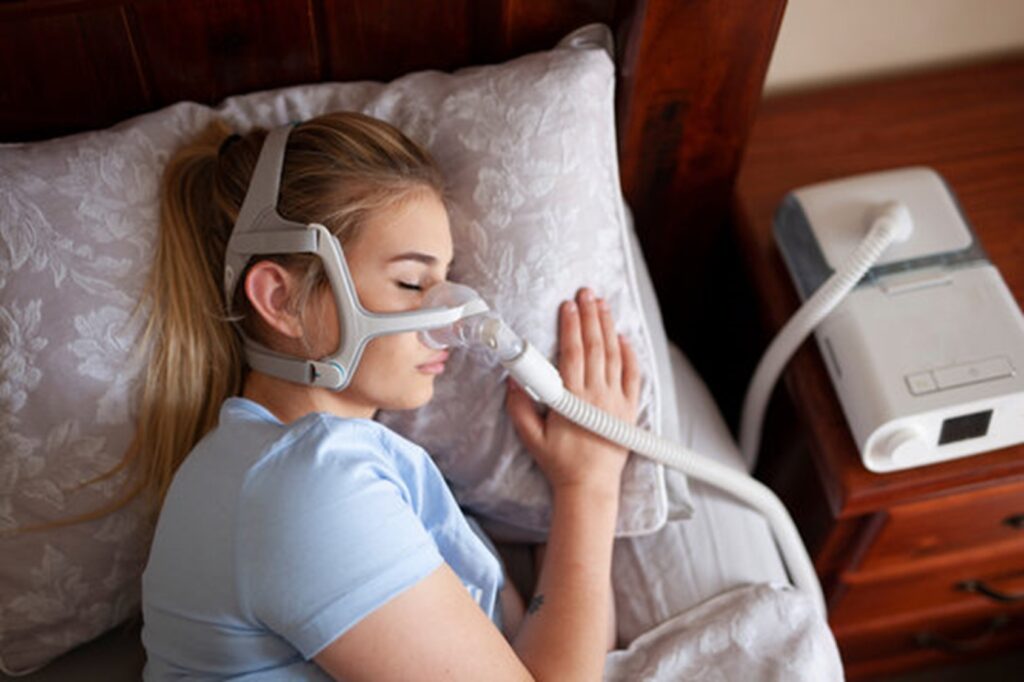
Positive airway pressure therapy stands as the primary treatment after sleep testing confirms obstructive sleep apnea. CPAP (continuous positive airway pressure) devices deliver a steady stream of pressurized air through a mask, keeping airways open throughout the night and preventing the repeated breathing interruptions that characterize this condition.

Your sleep specialist prescribes specific pressure settings based on data collected during your study. The recordings reveal exactly when and how often your airway collapses, allowing clinicians to determine the minimum pressure needed to maintain open airways without causing unnecessary discomfort.

Customizing PAP Therapy Settings

Device calibration depends on several factors identified in your sleep study results:

  • Apnea-Hypopnea Index (AHI) severity determines baseline pressure requirements
  • Oxygen desaturation patterns indicate how aggressively treatment needs to address breathing disruptions
  • Sleep position data shows whether pressure adjustments are needed for different sleeping postures
  • Mask leak measurements help identify the most suitable mask style for your facial structure

Some patients receive prescriptions for BiPAP (bilevel positive airway pressure) instead of CPAP. This variation provides two pressure levels—higher during inhalation and lower during exhalation—making breathing feel more natural for individuals who struggle with constant pressure or have certain respiratory conditions.

Alternative Treatments Beyond PAP Devices

Sleep testing findings may point toward other therapeutic approaches depending on your specific diagnosis:

Oral appliances work for mild to moderate sleep apnea by repositioning the jaw and tongue to prevent airway collapse. Your study results help determine whether this option suits your particular breathing pattern and anatomical factors.

Positional therapy becomes relevant when test data shows apneas occur primarily while sleeping on your back. Simple devices or specialized pillows encourage side-sleeping positions that naturally reduce airway obstruction.

Lifestyle modifications receive targeted recommendations based on study observations. Weight loss plans, sleep schedule adjustments, or alcohol reduction strategies address contributing factors identified during monitoring.

Treatment for Other Sleep Disorders

Narcolepsy diagnosed through MSLT testing typically requires stimulant medications to manage excessive daytime sleepiness. Your test results showing how quickly you enter REM sleep can guide medication selection and dosing strategies.

What Should Patients Expect After Completing a Sleep Study?

Sensor Removal Process

The sensor removal process takes only a few minutes and is handled entirely by trained sleep center staff. Technologists carefully remove each electrode and sensor from your skin, scalp, chest, and limbs using gentle techniques that minimize any discomfort. The adhesive used to attach sensors typically comes off easily, though you may notice some residue on your skin or hair that can be washed away with normal bathing.
sleep testing sydney

Post-Sleep Study Expectations

Post-sleep study expectations include immediate freedom to resume your regular daily activities. You can drive yourself home, go to work, or continue with any plans you had scheduled for that day. No recovery period is necessary since sleep testing is completely non-invasive and doesn’t involve medications or procedures that would impair your functioning.

Some patients notice slight redness or minor irritation where sensors were attached, particularly on sensitive skin areas. These effects typically disappear within hours and rarely require any treatment. If you had electrodes placed on your scalp, your hair may feel slightly sticky or tangled from the conductive paste used, but a regular shower resolves this completely.

The sleep center staff will provide information about when to expect your results, usually within two weeks. They’ll explain the next steps in the process, including how your healthcare provider will contact you to discuss findings and any recommended treatments. You don’t need to follow any special instructions or restrictions after leaving the facility.

Most patients report feeling tired after a sleep study since sleeping in an unfamiliar environment with sensors attached often results in less restful sleep than usual. This fatigue is normal and temporary. Taking it easy for the remainder of the day can help, though it’s not medically necessary. Your natural sleep patterns will return to normal that same night when you sleep in your own bed without monitoring equipment.

Conclusion

Understanding the importance of knowing about sleep testing empowers you to approach the process with confidence rather than anxiety. Sleep studies are straightforward, non-invasive procedures designed to improve your quality of life by identifying treatable conditions that may be disrupting your rest.

Everything You Need to Know Before Getting Sleep Testing comes down to preparation, understanding the process, and maintaining open communication with your medical team. Ask questions about sensor placement, what the technologists will be monitoring, and how long results typically take. Your healthcare provider can explain why they’ve recommended testing and what specific concerns they hope to address.

Sleep disorders affect millions of people, yet many remain undiagnosed simply because patients hesitate to seek evaluation. The testing process itself poses minimal risk while offering substantial benefits through accurate diagnosis and targeted treatment plans. Whether you undergo an in-lab polysomnography or a home sleep test, the data collected provides invaluable insights into your sleep health.

However, neglecting sleep issues can have severe consequences. The health effects of sleep deprivation can be profound, impacting everything from physical well-being to mental clarity and daily functioning. Don’t let uncertainty prevent you from taking this important step toward better sleep. Discuss any concerns about the procedure, costs, or potential findings with your doctor beforehand. The more informed you feel going into your sleep study, the more relaxed you’ll be during the actual test—which can lead to more accurate results.

Taking action through sleep testing demonstrates a commitment to addressing problems rather than simply living with fatigue, snoring, or other symptoms. The path to restorative sleep often begins with a single night of monitored rest.

Related : Get a Better Night’s Rest with a Sleep Study Canberra
Get a Better Night’s Rest with a Sleep Study Canberra
Sleep Study Canberra

Why Should You Consider a Sleep Study in Canberra?

Sleep disorders affect a significant portion of Canberra’s population, with conditions like sleep apnea impacting thousands of residents who may not even realize they have a problem. If you’re waking up tired despite a full night in bed, experiencing loud snoring, or struggling with daytime fatigue, these symptoms warrant professional evaluation.

Early diagnosis transforms sleep quality and prevents serious health complications. Untreated sleep disorders contribute to cardiovascular disease, diabetes, depression, and workplace accidents. A timely sleep disorder diagnosis allows you to address these issues before they escalate into chronic health problems.

Canberra residents benefit from convenient access to specialized diagnostic services right in their local area. Expert sleep clinics throughout the ACT provide comprehensive testing and treatment options, eliminating the need to travel interstate for quality care.

The Canberra sleep study benefits extend beyond just identifying problems:

  • Personalized treatment plans tailored to your specific condition
  • Professional monitoring using advanced diagnostic equipment
  • Ongoing support from experienced sleep specialists
  • Improved quality of life through better rest and daytime alertness

Getting a better night’s rest with a sleep study Canberra starts with recognizing that persistent sleep issues deserve medical attention. Local clinics offer both convenience and expertise, making it easier than ever to take control of your sleep health and reclaim the restorative rest your body needs.

What Are the Different Sleep Study Options Available in Canberra?

Canberra residents can choose between in-lab sleep study Canberra facilities and home sleep study Canberra services depending on their comfort level and medical needs. Both options provide accurate diagnostic results, though they differ in setting, equipment complexity, and patient experience.

Sleep Solutions Canberra’s Dual Approach

Sleep Solutions Canberra delivers comprehensive diagnostic services through two distinct pathways. Their in-lab facilities feature dedicated sleep rooms equipped with advanced polysomnography equipment that monitors brain waves, oxygen levels, heart rate, breathing patterns, and body movements throughout the night. Trained sleep technologists remain on-site during the entire study to ensure proper equipment function and patient comfort.

The home study alternative from Sleep Solutions allows patients to conduct their assessment in familiar surroundings. A sleep specialist provides detailed instructions on using portable monitoring devices that track essential sleep metrics. Patients collect the equipment, wear it overnight at home, then return it for professional analysis.

Sleep Testing Australia’s Home-Based Level 2 Setup

Located on Townshend Street in Phillip, Sleep Testing Australia specializes in home-based Level 2 sleep studies. This service provides hospital-grade diagnostic equipment for home use, offering a middle ground between basic home tests and full in-lab polysomnography. The Level 2 setup captures more data points than standard home devices while maintaining the convenience of sleeping in your own bed.

Patients receive thorough training on device placement and operation before taking the equipment home. The system records respiratory effort, airflow, oxygen saturation, heart rate, and body position—sufficient data for diagnosing most common sleep disorders.

Comparing In-Lab and Home Study Methods

In-lab sleep study advantages:

  • Continuous monitoring by trained technologists who can adjust equipment if needed
  • Comprehensive data collection including brain wave activity and leg movements
  • Immediate troubleshooting of technical issues during the night
  • Suitable for complex cases requiring detailed neurological assessment
  • Video recording capabilities to observe sleep behaviors

In-lab study considerations:

  • Requires sleeping away from home in an unfamiliar environment
  • May not reflect typical sleep patterns due to “first-night effect”
  • Scheduled appointments may involve waiting periods

How Does the Sleep Study Process Unfold from Start to Finish?

The journey begins with a consultation where your doctor evaluates your sleep concerns and determines if a sleep study is necessary. During this initial appointment, you’ll discuss symptoms like snoring, daytime fatigue, or breathing interruptions during sleep. Your healthcare provider will then issue a referral for a sleep study, which is essential for accessing bulk-billed sleep tests ACT services through Medicare.

What Happens During Your Initial Consultation?

Your first appointment focuses on understanding your sleep patterns and medical history. The sleep specialist will ask about:

  • Your typical sleep schedule and bedtime routines
  • Any medications or health conditions affecting sleep
  • Family history of sleep disorders
  • Specific symptoms you’ve been experiencing

This assessment helps determine which type of sleep study suits your needs and whether you qualify for bulk-billed services. The consultation typically lasts 20-30 minutes and sets the foundation for accurate diagnosis.

How Is the Actual Sleep Test Conducted?

The actual sleep test procedure steps vary slightly between in-lab and home studies, but both follow a structured approach. For in-lab studies at locations like Air Liquide Healthcare centers, you’ll arrive in the evening and stay overnight in a comfortable, hotel-like room. A trained sleep technician attaches sensors to your scalp, chest, and legs using gentle adhesive. These sensors monitor:

  • Brain wave activity (EEG)
  • Eye movements
  • Heart rate and rhythm
  • Oxygen levels in your blood
  • Breathing patterns
  • Leg movements

The equipment may seem extensive, but it’s designed for comfort and doesn’t restrict movement during sleep. You can sleep in your preferred position, and the technician monitors your data throughout the night from a separate room.

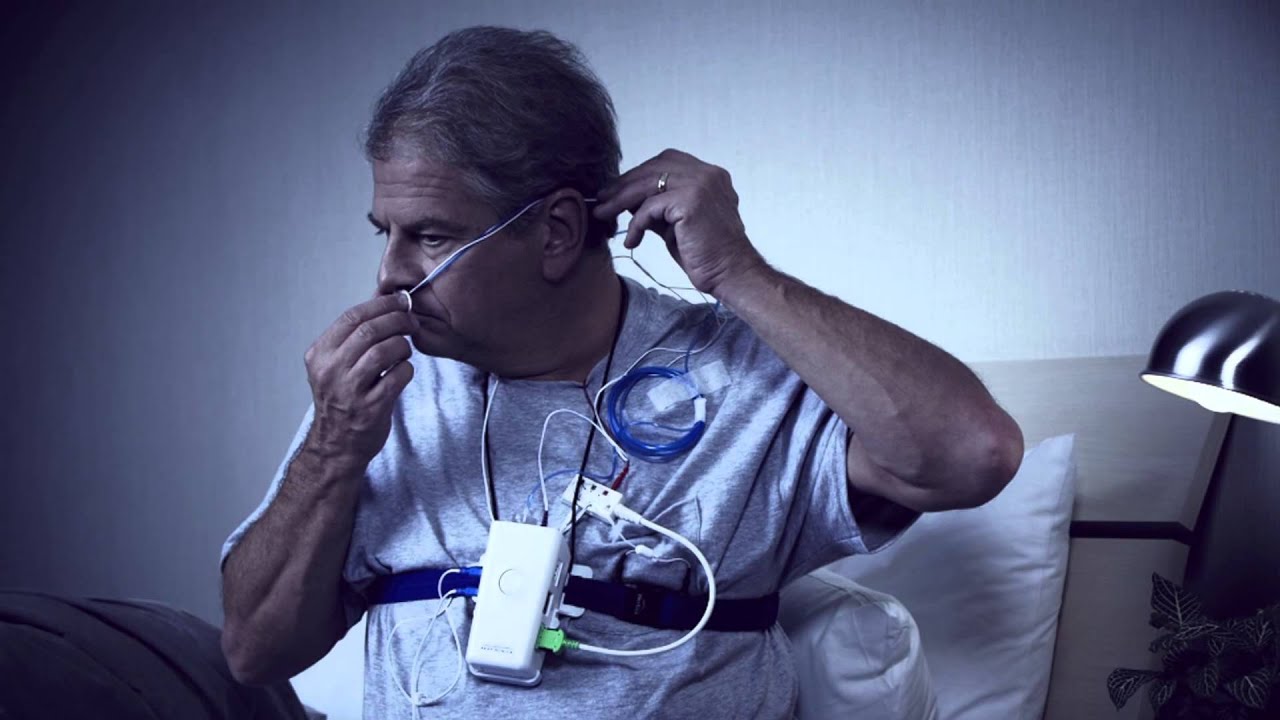
Home sleep studies involve simpler equipment that you set up yourself following detailed instructions. Sleep Testing Australia provides devices that typically include a nasal cannula, chest belt, and finger sensor. The setup takes about 15 minutes, and you’ll wear the equipment for one or two nights depending on your provider’s protocol.

What Equipment Will You Use During the Test?

Modern sleep study equipment is lightweight and less intrusive than many patients expect. The devices used include:

  • Polysomnography sensors: Small electrodes that record brain activity
  • Pulse oximeter: A device clipped onto your finger to measure oxygen levels
  • Respiratory belts: Straps worn around your chest and abdomen to monitor breathing effort
  • Video camera (in-lab only): Used to capture movements during sleep if necessary

These tools work together to provide comprehensive insights into your sleep quality and identify any underlying issues contributing to disturbances.

Where Are Sleep Studies Conducted in Canberra?

Canberra sleep clinics locations span several accessible areas across the ACT, with Air Liquide Healthcare Phillip Deakin operating dedicated sleep diagnostic centers in both suburbs. These facilities provide professional sleep testing environments equipped with the latest monitoring technology to accurately assess sleep disorders.

Locations of Sleep Clinics in Canberra

The following are the locations of sleep clinics in Canberra:

  1. Phillip: The Phillip location on Townshend Street serves as a convenient hub for residents in the southern suburbs and nearby areas.
  2. Deakin: Air Liquide Healthcare’s Deakin center offers similar comprehensive services in a location that’s easily accessible for those living in the inner south and central Canberra regions.

Services Offered at Sleep Clinics

The following services are offered at the sleep clinics:

  • In-lab polysomnography
  • Home sleep study equipment pickup

Extended Hours for Working Professionals

The facility maintains extended hours to accommodate working professionals who need flexible appointment times.

Sleep Study Canberra

How Do Bulk-Billed Sleep Studies Make Diagnosis More Affordable?

Bulk-billed sleep studies eliminate out-of-pocket costs for eligible patients, making diagnosis accessible to more Canberra residents. When a sleep study is bulk-billed, the clinic bills Medicare directly, meaning patients don’t pay upfront fees for the diagnostic service.

Who qualifies for bulk billing ACT health services? Eligibility depends on having a valid Medicare card and a referral from a GP or specialist. Most sleep clinics in Canberra accept bulk-billed referrals for patients who meet Medicare’s criteria for sleep disorder investigation, particularly when symptoms suggest conditions like obstructive sleep apnea.

The financial relief extends beyond the initial test. Patients who access affordable sleep tests Canberra through bulk billing can allocate their healthcare budget toward treatment options rather than diagnosis alone. This proves especially valuable for individuals managing multiple health conditions or those on fixed incomes.

Key Financial Advantages

  • Zero upfront payment for the diagnostic sleep study when bulk-billed through Medicare
  • No gap fees to worry about during the assessment phase
  • Reduced barrier to seeking help for suspected sleep disorders
  • Savings can be redirected toward treatment equipment or follow-up care

Sleep Solutions Canberra and other local providers offer bulk-billed options that cover both home-based and in-lab studies. The type of study recommended depends on your symptoms and medical history, but the bulk-billing arrangement remains available regardless of the testing method chosen.

Patients without private health insurance benefit most significantly from bulk billing ACT health services. The cost of a private sleep study can range from several hundred to over a thousand dollars, making the bulk-billed alternative a crucial pathway to diagnosis for many Canberrans experiencing sleep disturbances.

Medicare rebates cover the technical and professional components of sleep studies, including equipment use, data analysis, and specialist interpretation of results. This comprehensive coverage ensures patients receive the same quality diagnostic service whether paying privately or through bulk billing. Visit https://meyersglutenfree.com/everything-you-need-to-know-before-getting-sleep-testing/

to get everything you need to know before getting sleep testing.

What Treatments Are Available After Diagnosis Through a Sleep Study?

Post-diagnosis treatment options for sleep disorders in Canberra range from medical devices to lifestyle modifications, with CPAP therapy being the most common intervention for obstructive sleep apnea. Your treatment plan depends on the severity of your condition, the specific disorder diagnosed, and your personal health circumstances.

CPAP Therapy: The Gold Standard for Managing Sleep Apnea Canberra

Continuous Positive Airway Pressure (CPAP) therapy remains the primary treatment for moderate to severe sleep apnea. The device delivers a steady stream of pressurized air through a mask, keeping your airways open throughout the night. Modern CPAP machines are quieter, more compact, and feature advanced settings that adjust pressure levels automatically based on your breathing patterns.

Sleep Solutions Canberra provides comprehensive CPAP setup services, including:

  • Mask fitting sessions to ensure proper seal and comfort
  • Equipment trials to test different models before commitment
  • Pressure titration to determine optimal settings
  • Regular maintenance checks and supplies replacement

Alternative Therapies for Mild Sleep Disorders

Patients with mild sleep apnea or other sleep disturbances may benefit from less invasive interventions. Oral appliances, custom-fitted by dental specialists, reposition the jaw to maintain open airways during sleep. These devices work well for people who cannot tolerate CPAP masks or have positional sleep apnea.

Lifestyle modifications often complement medical treatments:

  • Weight management through nutrition counseling and exercise programs
  • Sleep position training to avoid sleeping on your back
  • Alcohol and sedative reduction to prevent airway relaxation
  • Sleep hygiene improvements including consistent bedtimes and bedroom optimization

Surgical Options for Structural Issues

When anatomical abnormalities contribute to sleep apnea, surgical interventions may be recommended. Procedures range from minimally invasive treatments like radiofrequency ablation to more extensive surgeries such as uvulopalatopharyngoplasty (UPPP). Local specialists evaluate whether structural corrections could improve your breathing during sleep.

Continuous Clinical Support Throughout Your Treatment Journey

Canberra sleep clinics don’t simply hand you equipment and send you home. Air Liquide Healthcare’s team of healthcare professionals provides ongoing support throughout your treatment journey:

  1. Regular follow-up appointments to monitor progress and address concerns
  2. Educational resources on managing sleep disorders and optimizing treatment
  3. Access to support groups or counseling services if needed

This comprehensive approach ensures that you receive personalized care tailored to your needs, increasing the likelihood of successful outcomes. Visit https://www.healthdirect.gov.au/sleep-disorders to get more about sleep disorders.

How Can Undergoing a Sleep Study Improve Your Overall Well-being?

Treating sleep disorders through proper diagnosis transforms your daily functioning in measurable ways. Patients who complete treatment for conditions like sleep apnea report significant improvements in energy levels, with many experiencing alertness comparable to their pre-disorder state within weeks of starting therapy.

Enhanced Mental Clarity and Emotional Balance

Sleep disorder treatment directly impacts cognitive performance and emotional regulation. Proper rest allows your brain to complete essential restorative processes that occur during deep sleep cycles. Patients consistently report:

  • Sharper focus and concentration during work tasks
  • Better memory retention and recall abilities
  • Reduced irritability and mood swings
  • Improved decision-making capabilities

The connection between quality sleep and mental health becomes evident when treatment begins. Many individuals discover that symptoms they attributed to stress or aging were actually manifestations of disrupted sleep patterns.

Physical Health Protection Through Early Intervention

Untreated sleep disorders create cascading health risks that extend far beyond tiredness. Sleep apnea, when left undiagnosed, forces your cardiovascular system into chronic stress. Each breathing interruption triggers a fight-or-flight response, elevating blood pressure and straining your heart throughout the night.

Get a Better Night’s Rest with a Sleep Study Canberra services help identify these risks before they develop into serious conditions. Research demonstrates that treating sleep apnea reduces the likelihood of:
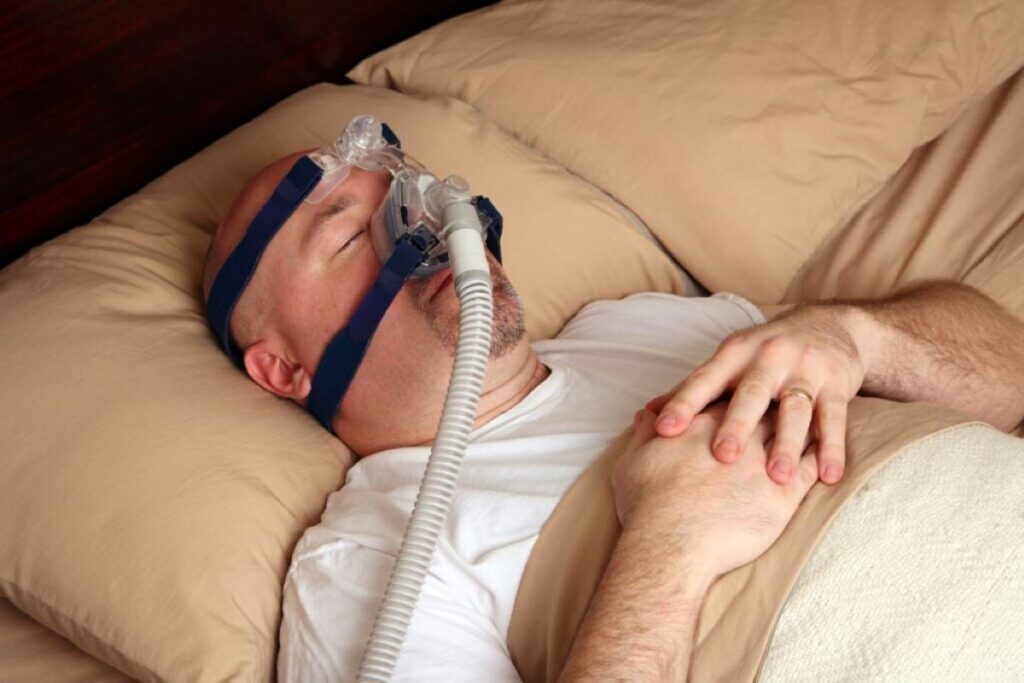
  • Hypertension and irregular heart rhythms
  • Type 2 diabetes complications
  • Stroke incidents
  • Heart attack occurrences
Sleep Study Canberra

Workplace Performance and Safety Benefits

Daytime sleepiness affects professional capabilities and workplace safety. Individuals with untreated sleep disorders face higher accident rates, reduced productivity, and increased absenteeism. Treatment reverses these patterns, allowing patients to perform at their optimal capacity.

The improved quality of life after diagnosis extends to personal relationships as well. Partners often report better sleep themselves when their loved one’s snoring and restless movements cease following treatment.

Long-Term Health Investment

Addressing sleep disorders represents preventive healthcare at its most effective. The benefits of treating sleep disorders compound over time, protecting multiple body systems from deterioration. Your immune system strengthens when receiving adequate rest, reducing susceptibility to infections and illnesses.

Conclusion

Are you ready to transform your sleep quality and reclaim your energy? If you’re experiencing persistent snoring, daytime fatigue, morning headaches, or interrupted breathing during sleep, these symptoms deserve professional attention. A sleep study represents your first step toward understanding what’s disrupting your rest.

Canberra residents have access to comprehensive diagnostic services that make identifying and treating sleep disorders straightforward. With options ranging from in-lab assessments to home-based testing, you can choose the approach that fits your comfort level and schedule. Bulk-billing options remove financial barriers for eligible patients, ensuring cost doesn’t prevent you from seeking the care you need.

The path to a better night’s rest in Canberra begins with acknowledging that poor sleep isn’t something you have to accept. Sleep disorders like apnea don’t improve on their own—they require proper diagnosis and treatment. Local clinics provide the expertise and support necessary to guide you through every stage, from initial testing to ongoing management.

Get a Better Night’s Rest with a Sleep Study Canberra by taking action today. Contact a local sleep clinic to discuss your symptoms and schedule an evaluation. Your body and mind will thank you for prioritizing the restorative sleep they need to function at their best. Quality rest isn’t a luxury—it’s essential for your health, safety, and happiness.
Conducting a Sleep Apnea Home Test in Australia: Convenience and Accuracy

Sleep Apnea Home Test

Getting a good night’s sleep is essential for our overall health and well-being. However, for many individuals suffering from sleep apnea, a good night’s rest is elusive. Sleep apnea is a common sleep disorder characterized by pauses in breathing or shallow breaths during sleep. These pauses can range from a few seconds to minutes and can occur multiple times throughout the night. If left untreated, sleep apnea can have serious health consequences, including high blood pressure, heart disease, and stroke.

Understanding Sleep Apnea

Sleep apnea is a complex condition that affects millions of people worldwide. It is categorized into three types: obstructive sleep apnea (OSA), central sleep apnea (CSA), and complex sleep apnea syndrome (CSAS). OSA is the most common type and occurs when the muscles in the back of the throat fail to keep the airway open, causing breathing pauses or shallow breaths.

The Science Behind Sleep Apnea

During sleep, the muscles that support the soft tissues in the throat relax, causing the airway to become narrow or blocked. As a result, the brain sends signals to waking the body up briefly to reopen the airway, often with a loud snore or choking sound. These frequent interruptions prevent individuals from entering deep, restorative sleep, leaving them feeling tired and exhausted during the day.

Sleep Apnea Home Test

Furthermore, recent studies have shown a potential link between sleep apnea and cardiovascular diseases. The repeated drops in oxygen levels during apnea episodes can put a strain on the heart and increase the risk of heart attacks, strokes, and irregular heartbeats. This underscores the importance of diagnosing and managing sleep apnea to protect not just the quality of sleep but also overall cardiovascular health.

Symptoms and Risks of Sleep Apnea

Recognizing the symptoms of sleep apnea is crucial for early detection and treatment. Common symptoms include loud snoring, daytime sleepiness, morning headaches, difficulty concentrating, and irritability. Sleep apnea can also increase the risk of developing other health conditions such as hypertension, diabetes, and obesity.

It is essential to note that untreated sleep apnea can have a significant impact on mental health as well. The chronic sleep deprivation caused by the condition can lead to mood swings, depression, and anxiety. By addressing sleep apnea through lifestyle changes, continuous positive airway pressure (CPAP) therapy, or surgery, individuals can not only improve their physical health but also enhance their mental well-being and overall quality of life.

The Importance of Sleep Apnea Testing

Identifying the need for a sleep apnea test is the first step towards managing this condition effectively. If you suspect that you or a loved one may have sleep apnea, seeking professional medical advice is recommended. Early detection and treatment of sleep apnea can vastly improve the quality of life, reduce the risk of developing additional health problems, and improve overall sleep patterns.

Sleep apnea is a common but serious sleep disorder that occurs when a person’s breathing is interrupted during sleep. This interruption can last for a few seconds to minutes and may occur multiple times throughout the night. If left untreated, sleep apnea can lead to complications such as high blood pressure, heart disease, stroke, and diabetes.

Identifying the Need for a Sleep Apnea Test

If you experience the symptoms mentioned earlier or exhibit any signs of sleep apnea, consulting a healthcare professional is essential. A sleep apnea test, also known as a polysomnography, is typically conducted in a sleep laboratory. However, advancements in technology have made it possible to conduct sleep apnea tests in the comfort of your own home.

During a sleep apnea test, various parameters are monitored, including airflow, oxygen levels, breathing patterns, and brain activity. These measurements help healthcare providers determine the severity of sleep apnea and tailor treatment plans accordingly.

Benefits of Early Detection and Treatment

Early detection and treatment of sleep apnea can significantly improve symptoms and reduce associated health risks. Moreover, treating sleep apnea can enhance productivity, improve cognitive function, and lead to an overall better quality of life.

Continuous positive airway pressure (CPAP) therapy is a common treatment for sleep apnea. This therapy involves wearing a mask over the nose and mouth during sleep, which delivers a steady flow of air to keep the airways open. Other treatment options may include oral appliances, lifestyle changes, and in some cases, surgery.

Overview of Sleep Apnea Home Tests

Home sleep apnea tests are an alternative to laboratory-based tests, offering convenience and flexibility for individuals seeking diagnosis and treatment. These tests are becoming increasingly popular, not only for their convenience but also for their accuracy in detecting sleep apnea.

One of the significant advantages of home sleep apnea tests is the ability to monitor individuals in their natural sleeping environment. This can provide healthcare providers with valuable insights into a person’s sleep patterns and behaviors, which may not be fully captured in a clinical setting. Additionally, the comfort of sleeping at home can lead to more accurate results as individuals are more likely to have a typical night’s sleep.

Sleep Apnea Home Test

How Do Home Sleep Apnea Tests Work?

A home sleep apnea test involves the use of portable monitoring devices that measure various parameters during sleep. These devices typically include a nasal cannula to measure airflow, a finger pulse oximeter to monitor oxygen levels in the blood, and a chest strap to determine breathing effort.

Moreover, some advanced home sleep apnea tests also incorporate additional sensors to track body position, snoring levels, and heart rate variability. This comprehensive data collection allows healthcare providers to assess different aspects of sleep quality and identify potential issues beyond just apnea events.

Components of a Home Sleep Apnea Test

The key components of a home sleep apnea test include portable monitoring devices, instructional guides for setup, and data analysis software. These devices are lightweight, comfortable, and easy to use, allowing individuals to sleep in their own beds rather than in a clinical environment.

Furthermore, the data analysis software used in home sleep apnea tests plays a crucial role in interpreting the collected information. This software can generate detailed reports that highlight key metrics such as apnea-hypopnea index (AHI), oxygen desaturation levels, and sleep efficiency. These insights help healthcare providers make informed decisions regarding diagnosis and treatment plans for individuals with suspected sleep apnea.

The Convenience of Home Testing

Home sleep apnea tests offer numerous advantages over traditional clinical testing, making them an attractive option for many individuals. The convenience and comfort of conducting the test at home contribute to increased patient compliance and accurate results.

Furthermore, home testing allows individuals to have a more relaxed and natural sleep environment, which can lead to more accurate detection of sleep apnea and provide valuable insights into their sleep patterns. This personalized setting can help individuals feel more at ease, potentially reducing any anxiety or discomfort often associated with clinical settings.

Advantages of Home Testing Over Clinical Testing

One of the significant advantages of home sleep apnea tests is the ability to mimic a person’s natural sleep environment. This allows for more accurate detection of sleep apnea and provides valuable insights into an individual’s sleep patterns. Additionally, home testing eliminates travel time and reduces costs associated with laboratory-based testing.

Moreover, conducting the test at home offers individuals the flexibility to choose a time that aligns with their natural sleep schedule, potentially leading to more representative results. This flexibility can be especially beneficial for individuals with irregular work hours or those who have difficulty sleeping in unfamiliar environments.

Preparing for a Home Sleep Apnea Test

Prior to conducting a home sleep apnea test, individuals are typically provided with detailed instructions on how to set up the equipment. It is important to follow these instructions carefully to ensure accurate results. Additionally, it is advisable to maintain a regular sleep schedule, avoid caffeine and alcohol before bedtime, and avoid taking naps during the day to obtain optimal results.

Creating a conducive sleep environment by dimming lights, reducing noise levels, and maintaining a comfortable room temperature can also enhance the testing experience and help individuals achieve more restful sleep during the assessment. By following these preparation tips, individuals can maximize the effectiveness of the home sleep apnea test and contribute to obtaining reliable and informative results.

Sleep Apnea Home Test

Accuracy of Sleep Apnea Home Tests

Home sleep apnea tests have been shown to be reliable and accurate in diagnosing sleep apnea. However, several factors can affect the accuracy of test results, and it is important to understand these potential limitations.

Reliability of Home Test Results

The data collected during a home sleep apnea test is analyzed by qualified healthcare professionals to provide an accurate diagnosis. These professionals are trained to interpret the data accurately and make appropriate recommendations for treatment based on the results.

Factors Affecting the Accuracy of Home Tests

While home sleep apnea tests are generally reliable, it is worth noting that certain factors can affect their accuracy. One such factor is poor equipment setup. It is essential to carefully follow the instructions provided to ensure that the equipment is properly installed and calibrated. This will help to ensure accurate data collection and analysis.

Another factor that can impact the accuracy of home sleep apnea tests is sleep disturbances. It is important to create a sleep environment that is as close to your normal routine as possible. Avoiding caffeine and alcohol before bedtime, maintaining a consistent sleep schedule, and ensuring a comfortable sleeping environment can all contribute to more accurate test results.

Additionally, patient non-compliance can also affect the accuracy of home sleep apnea tests. It is crucial to adhere to the instructions provided by the healthcare professional overseeing the test. This includes wearing the equipment for the recommended duration and properly documenting any symptoms or issues that may arise during the testing period.

In conclusion, conducting a sleep apnea home test in Australia offers both convenience and accuracy in detecting this common sleep disorder. With advancements in technology, individuals now have the option to be tested in the comfort of their own homes. Home sleep apnea tests provide an opportunity for early detection and treatment, leading to improved sleep patterns, enhanced quality of life, and reduced health risks associated with sleep apnea.

Furthermore, the convenience and accurate results of home testing contribute to increased patient compliance and overall satisfaction. By eliminating the need for overnight stays in a sleep clinic, home sleep apnea tests offer a more comfortable and accessible alternative. This can encourage more individuals to seek testing and ultimately receive the necessary treatment for sleep apnea.

If you suspect that you or a loved one may have sleep apnea, consulting a healthcare professional and considering a home sleep apnea test is a crucial step towards better sleep health. By addressing this condition early on, you can take proactive measures to improve your sleep quality and overall well-being.

See Also: Sydney Sleep Test for Finding Solutions for Sleep Disorders

Identifying Sleep Disorders: Importance of a Comprehensive Test

Sleep Disorders

Waking up feeling tired and groggy is something we’ve all experienced at some point. But for some, these feelings persist and can significantly impact their daily lives. Sleep disorders are a common problem that affects millions of people worldwide, yet they often go undiagnosed and untreated. Understanding the importance of a comprehensive sleep test is crucial in identifying and managing these disorders effectively.

Understanding Sleep Disorders

Sleep disorders refer to a wide range of conditions that disrupt normal sleep patterns and can adversely affect a person’s overall health and well-being. These disorders can be classified into various types with the help of sleep disorders test, each with its unique characteristics and symptoms. Recognizing the signs and symptoms is essential for accurate diagnosis and appropriate treatment.

Common Types of Sleep Disorders

1. Insomnia:

This condition is characterized by difficulty falling asleep, staying asleep, or both. Individuals with insomnia often feel tired and irritable during the day, impacting their productivity and quality of life.

2. Sleep Apnea:

Sleep apnea is a disorder in which breathing repeatedly stops and starts during sleep. It can lead to daytime sleepiness, fatigue, and an increased risk of other health problems, including cardiovascular diseases.

3. Restless Legs Syndrome (RLS):

RLS causes an uncontrollable urge to move the legs, often accompanied by uncomfortable sensations. This can interfere with sleep and result in daytime drowsiness.

4. Narcolepsy:

Narcolepsy is a neurological disorder that affects the brain’s ability to regulate sleep-wake cycles. People with narcolepsy experience excessive daytime sleepiness and sudden, uncontrollable bouts of sleep.

Symptoms and Signs of Sleep Disorders

The symptoms of sleep disorders can vary widely depending on the specific condition. Common signs include:

  • Difficulty falling asleep or staying asleep
  • Excessive daytime sleepiness
  • Loud snoring
  • Gasping or choking during sleep
  • Restless leg movements
  • Difficulty concentrating

If you experience any of these symptoms regularly, it is important to consult a healthcare professional for an accurate diagnosis.

The Role of Comprehensive Sleep Tests

Comprehensive sleep tests, also known as polysomnography, are diagnostic tools used to evaluate sleep disorders. These tests go beyond self-reporting symptoms and provide objective data that helps healthcare professionals understand the underlying causes of sleep disturbances.

What is a Comprehensive Sleep Test?

A comprehensive sleep test involves monitoring various physiological parameters during sleep. This includes:

  • Brain activity (EEG)
  • Eye movements (EOG)
  • Muscle activity (EMG)
  • Heart rate and rhythm
  • Blood oxygen levels
  • Breathing patterns

All these measurements are conducted in a sleep lab or specialized facility, allowing sleep specialists to analyze and interpret the data accurately.

Identifying Sleep Disorders

Benefits of Comprehensive Sleep Testing

There are several benefits to undergoing a comprehensive sleep test:

  1. Accurate Diagnosis: Comprehensive sleep testing provides objective data, allowing healthcare professionals to accurately identify the type and severity of sleep disorders.
  2. Tailored Treatment Plans: With accurate diagnosis, healthcare professionals can create personalized treatment plans that address the specific needs of individuals with sleep disorders.
  3. Identification of Underlying Health Issues: Sleep disorders are often associated with other medical conditions. Comprehensive sleep testing can help identify potential underlying health issues that may contribute to sleep disturbances.
  4. Monitoring Treatment Efficacy: Following treatment, repeat sleep testing can assess the effectiveness of therapy, guiding adjustments if necessary.

The Process of Sleep Testing

Preparing for a Sleep Test

Prior to the sleep test, it is essential to follow specific guidelines provided by the sleep center. These may include avoiding caffeine and alcohol, adhering to regular sleep schedules, and limiting daytime napping.

On the day of the test, it is advisable to arrive at the sleep center early to allow time for paperwork and to get acclimated to the surroundings.

What to Expect During the Test

Once settled in the sleep center, a technician will apply sensors to various parts of your body to monitor sleep-related activities. These sensors are painless and non-invasive.

Your sleep will be monitored throughout the night, and the technician will be available to address any concerns or discomfort you may have. The goal is to create a comfortable environment that allows for a typical night’s sleep.

Once the test is complete, the collected data will be carefully analyzed by sleep specialists to determine the presence and severity of any sleep disorders.

Interpreting Sleep Test Results

Understanding Your Sleep Test Report

After the sleep test, you will receive a detailed report summarizing the findings. Understanding the information in the report is essential for initiating appropriate treatment and managing your sleep disorder effectively.

Consulting with a sleep specialist will help clarify any questions or concerns you may have.

Identifying Sleep Disorders

Next Steps After Diagnosis

Upon receiving a sleep disorder diagnosis, your healthcare provider will work with you to develop a comprehensive treatment plan tailored to your specific needs. Treatment strategies can vary widely depending on the type and severity of the sleep disorder.

Effective treatment may involve a combination of behavioral and lifestyle changes, including establishing a regular sleep schedule, implementing relaxation techniques, and adopting good sleep hygiene practices.

In some cases, medication or other therapies may be recommended to address specific symptoms or underlying causes of sleep disorders.

Treatment Options for Sleep Disorders

Behavioral and Lifestyle Changes

Behavioral and lifestyle changes are often the first line of treatment for sleep disorders. These may include:

  • Establishing a consistent sleep schedule
  • Creating a sleep-friendly environment
  • Practicing relaxation techniques
  • Avoiding stimulants such as caffeine
  • Engaging in regular physical exercise

Medications and Therapies for Sleep Disorders

In cases where behavioral and lifestyle changes are insufficient, healthcare professionals may recommend medications or therapies to manage sleep disorders. These can assist in improving sleep quality and reducing the severity of symptoms.

Medications used for sleep disorders may include sedatives, hypnotics, or medications that address specific underlying causes. Therapies such as Cognitive Behavioral Therapy for Insomnia (CBT-I) can also be effective in modifying sleep behaviors.

In conclusion, identifying sleep disorders through comprehensive sleep testing plays a crucial role in managing these conditions effectively. By understanding the different types of sleep disorders, recognizing their symptoms, and undergoing accurate diagnosis, individuals can receive appropriate treatment and improve their quality of sleep and overall well-being.

See Also: Sydney Sleep Test for Finding Solutions for Sleep Disorders

Sydney Sleep Test: Finding Solutions for Sleep Disorders

Sydney Sleep Test

Sleep disorders can significantly impact a person’s well-being and quality of life. Sydney Sleep Test is at the forefront of finding solutions to these disorders. By better understanding sleep disorders, identifying them through tests, and interpreting the results, individuals can seek appropriate medical treatments or make lifestyle changes. Furthermore, advancements in sleep disorder research and the role of technology provide hope for the future of treatment.

Understanding Sleep Disorders

Sleep disorders encompass a range of conditions that affect a person’s ability to sleep well consistently. They can disrupt the sleep-wake cycle, leading to sleep deprivation and various health issues and needs sleep test Sydney. Understanding the science behind sleep disorders is essential in finding effective solutions.

Individuals experiencing sleep disorders may also encounter challenges in their daily functioning, such as difficulties concentrating, irritability, and daytime fatigue. These issues can impact work performance, relationships, and overall quality of life. Seeking professional help and support is crucial in managing and improving sleep patterns.

Sydney Sleep Test

The Science Behind Sleep Disorders

Sleep is a complex process regulated by the body’s internal clock, also known as the circadian rhythm. Disruptions to this rhythm can result in difficulty falling asleep, staying asleep, or achieving restorative sleep. Sleep disorders can be caused by various factors, including medical conditions, lifestyle habits, and psychological factors.

Research suggests that genetics may also play a role in the development of certain sleep disorders. Understanding the genetic predispositions to conditions like sleep apnea or narcolepsy can aid in personalized treatment approaches. Additionally, advancements in technology have allowed for innovative sleep monitoring devices that track sleep patterns and provide valuable data for healthcare professionals.

Common Types of Sleep Disorders

There are several types of sleep disorders, each with its unique characteristics and symptoms. Some of the most common sleep disorders include insomnia, sleep apnea, narcolepsy, restless legs syndrome, and circadian rhythm disorders. Recognizing the signs and symptoms of these disorders can help individuals seek appropriate testing and treatment.

Educating oneself about the different types of sleep disorders and their potential impact on overall health is a crucial step in promoting better sleep hygiene. By raising awareness about the importance of sleep quality and seeking early intervention for any sleep-related concerns, individuals can take proactive steps towards improving their well-being and quality of life.

The Importance of Sleep Tests

Sleep tests play a crucial role in identifying and diagnosing sleep disorders. These tests provide valuable data about a person’s sleep patterns, breathing, brain activity, and other factors that can help determine the underlying cause of the sleep disorder.

Getting quality sleep is essential for overall health and well-being. Sleep disorders can have a significant impact on a person’s daily life, leading to fatigue, irritability, and even serious health conditions if left untreated. That’s why undergoing a sleep test is a vital step towards improving sleep quality and overall health.

Identifying Sleep Disorders through Tests

Sleep tests, such as polysomnography and multiple sleep latency testing, are conducted in specialized sleep laboratories. These tests monitor various physiological parameters during sleep, allowing experts to identify abnormal sleep patterns and diagnose specific sleep disorders.

Polysomnography, often referred to as a “sleep study,” records data such as brain waves, oxygen levels in the blood, heart rate, and breathing patterns during sleep. This comprehensive test provides valuable insights into the quality of sleep and helps healthcare providers tailor treatment plans to address specific sleep disorders.

What to Expect from a Sleep Test

Before undergoing a sleep test, individuals may be asked to complete a sleep diary, which helps the sleep specialist assess their sleep patterns. During the test, electrodes are placed on the scalp, face, and other parts of the body to measure brain waves, eye movements, heart rate, and muscle activity. The test is non-invasive and painless, usually conducted overnight.

Patients are encouraged to maintain their regular sleep schedule to ensure accurate test results. The sleep technologist will carefully monitor the data throughout the night to capture any abnormalities or disruptions in the sleep cycle. After the test, the collected data is analyzed by sleep specialists to provide an accurate diagnosis and recommend appropriate treatment options for the individual.

The Sydney Sleep Test Explained

The Sydney Sleep Test is a comprehensive sleep assessment conducted at the renowned Sydney Sleep Center. This test follows a meticulous process, ensuring accurate results and personalized treatment recommendations.

The Process of the Sydney Sleep Test

The Sydney Sleep Test begins with an initial consultation with a sleep specialist to discuss the individual’s sleep concerns, medical history, and lifestyle factors. Based on this information, a tailored sleep test is recommended. The test involves an overnight stay at the sleep center, where the individual’s sleep is monitored using state-of-the-art equipment.

Interpreting the Results of the Sydney Sleep Test

Once the sleep test is completed, the data collected is analyzed by sleep experts. The results provide valuable insights into the individual’s sleep architecture, breathing patterns, and any potential sleep disorders present. Based on these findings, the sleep specialist creates a personalized treatment plan to address the identified sleep issues.

Sydney Sleep Test

Solutions and Treatments for Sleep Disorders

There are various treatments available for sleep disorders, ranging from medical interventions to lifestyle changes. The choice of treatment depends on the type and severity of the sleep disorder.

Medical Treatments for Sleep Disorders

In some cases, medical interventions may be necessary to manage sleep disorders effectively. This may involve medication to regulate sleep patterns, the use of continuous positive airway pressure (CPAP) machines for sleep apnea, or medications to address underlying medical conditions contributing to the sleep disorder.

Lifestyle Changes to Improve Sleep Quality

For many individuals, making lifestyle changes can significantly improve sleep quality and reduce the impact of sleep disorders. This may include maintaining a consistent sleep schedule, creating a relaxing bedtime routine, avoiding stimulants close to bedtime, and creating a sleep-friendly environment.

The Future of Sleep Disorder Treatment

As sleep disorder research continues to advance, promising innovations are on the horizon. These innovations aim to enhance diagnosis, treatment options, and overall management of sleep disorders.

Innovations in Sleep Disorder Research

Ongoing research is shedding light on the underlying mechanisms of sleep disorders and will contribute to the development of more targeted and effective treatments. New studies explore the genetic basis of sleep disorders, the impact of environmental factors, and potential novel therapies.

The Role of Technology in Sleep Disorder Treatment

Technology plays a vital role in sleep disorder management. Innovative devices, such as wearable sleep trackers, smartphone applications, and home sleep apnea tests, offer individuals greater accessibility and convenience in monitoring their sleep patterns and seeking appropriate treatments.In conclusion, understanding sleep disorders, utilizing sleep tests like the Sydney Sleep Test, exploring various treatment options, and embracing advancements in sleep disorder research and technology are key to finding solutions for sleep disorders. With continued efforts in this field, individuals can achieve restful nights and improve their overall health and well-being.

See Also: Conducting a Sleep Apnea Home Test in Australia