
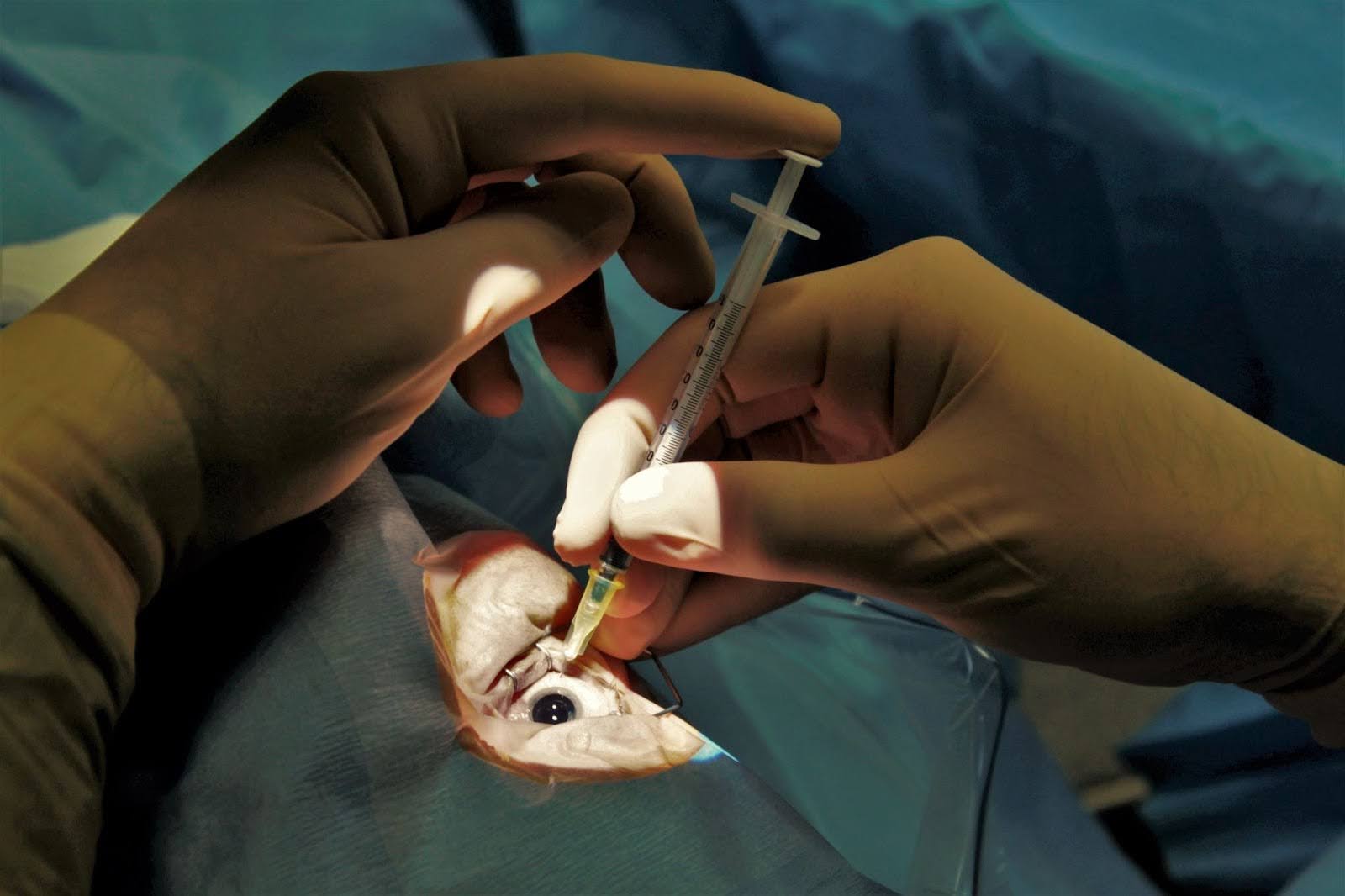
Understanding Laser Eye Surgery
Laser eye surgery is a highly advanced method of correcting refractive errors such as nearsightedness (myopia), farsightedness (hyperopia), and astigmatism. Over the past decades, technological advances have led to multiple techniques, each designed to optimize vision correction, recovery, and patient comfort.
Choosing the right technique depends on your eye health, lifestyle, and preferences. A qualified ophthalmologist can guide you through the options, explaining the differences in procedure, recovery, and long-term outcomes.
See more: How Much Does Cataract Surgery Cost in Australia? Breaking Down the Expenses
The five most common laser eye surgery techniques include:
- LASIK (Laser-Assisted In Situ Keratomileusis)
- PRK (Photorefractive Keratectomy)
- SMILE (Small Incision Lenticule Extraction)
- LASEK (Laser Epithelial Keratomileusis)
- Wavefront-Guided LASIK
Preparing for Your Procedure
Proper preparation ensures a smooth procedure and faster healing.
1. Pre-Surgery Consultation
- Eye exams, corneal mapping, and pupil measurement are critical.
- Medical history and lifestyle assessment to determine suitability.
2. Discontinue Contact Lenses
- Soft lenses: avoid 1–2 weeks prior.
- Rigid lenses: longer break required for accurate measurements.
3. Scheduling and Support
- Arrange transportation; driving is not allowed post-surgery.
- Plan a few days off for recovery, especially if undergoing PRK or LASEK.
4. Cost and Insurance
- Laser eye surgery cost in Australia ranges typically between $2,000–$4,000 per eye.
- Some insurance plans may cover part of the procedure if medically necessary.
What Happens During Laser Eye Surgery
Step-by-Step Procedure
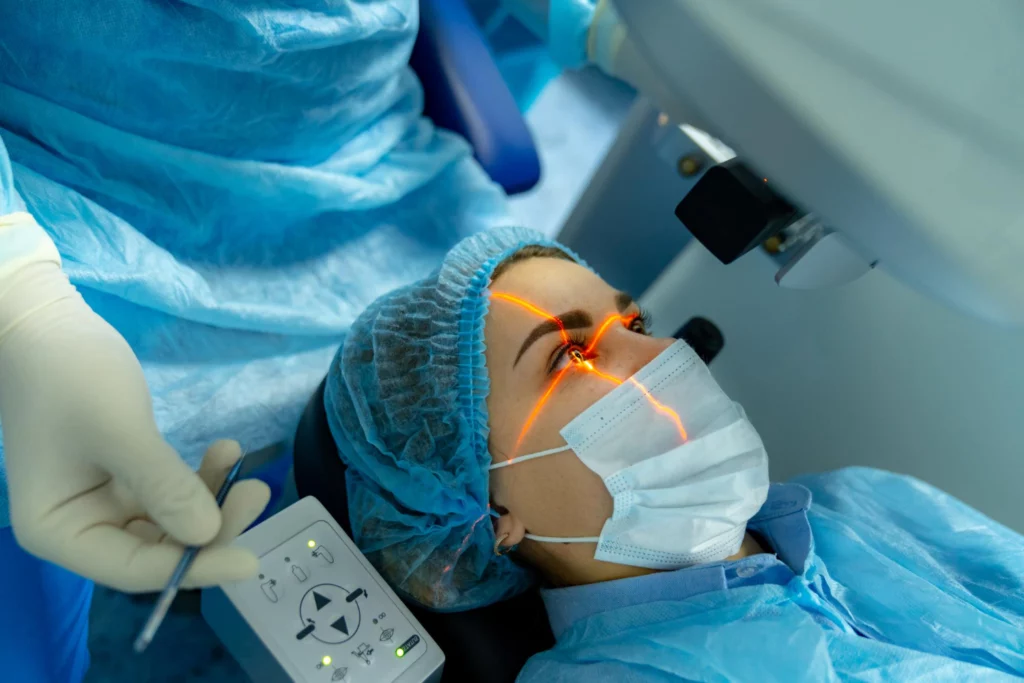
- Numbing and Eye Preparation
- Numbing drops are applied; an eyelid holder prevents blinking.
- Technique-Specific Steps
- LASIK: Flap creation with microkeratome/femtosecond laser, corneal reshaping, flap reposition.
- PRK: Removal of surface layer, corneal reshaping, surface regenerates naturally.
- SMILE: Small incision, lens-shaped tissue removed, reshaping the cornea with minimal disruption.
- LASEK: Epithelium loosened with alcohol solution, laser reshaping, epithelium replaced.
- Wavefront-Guided LASIK: Custom LASIK guided by detailed corneal topography for precise correction.
- Procedure Duration
- Typically 15–30 minutes for both eyes, depending on the technique.
Pro Tip: Bring sunglasses for post-surgery light sensitivity.
Recovery and Aftercare
Recovery varies by technique:
Immediate Post-Surgery
- Mild burning, tearing, or light sensitivity is common.
- Vision may be blurry initially, improving faster with LASIK and SMILE.
First Week
- Avoid rubbing eyes; follow prescribed eye drop schedules.
- Limit screen exposure and dusty or smoky environments.
First Month
- Attend follow-up appointments for monitoring.
- PRK and LASEK may require longer visual recovery.
Recovery Tips
- Use lubricating eye drops as directed.
- Wear sunglasses outdoors to protect sensitive eyes.
- Avoid swimming or hot tubs for at least a month to prevent infection.
Risks, Benefits, and Long-Term Results
Benefits
- Reduced or eliminated dependence on glasses or contacts.
- Quick, precise, and generally painless procedures.
- Long-lasting vision correction for most patients.
Risks
- Dry eyes, glare, or halos around lights.
- Minor risk of under-correction or over-correction.
- Rare complications include infection or flap issues (LASIK).
Long-Term Results
- Most patients achieve 20/25 vision or better.
- Vision may naturally change with age, sometimes requiring touch-ups.
Frequently Asked Questions (FAQ)
How long do laser eye surgery procedures take?
Most techniques take 15–30 minutes for both eyes, with minimal discomfort.
Which technique has the fastest recovery?
LASIK and SMILE typically offer the quickest visual recovery. PRK and LASEK may take longer.
Is laser eye surgery painful?
Numbing drops minimize discomfort; most patients experience only mild pressure or burning.
What is the cost of laser eye surgery in Australia?
Costs range from $2,000–$4,000 per eye depending on technique and clinic.
Can I go back to work immediately?
LASIK and SMILE often allow return within 1–2 days. PRK and LASEK require longer rest periods.